
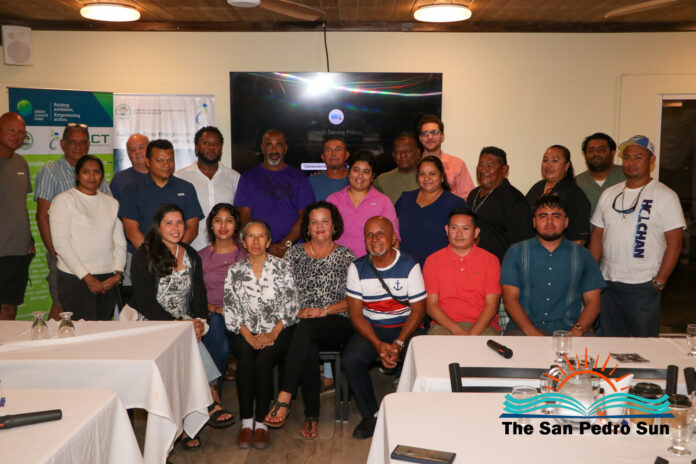

The National Climate Change Office conducted the second round of validation consultations for Belize’s Multi-Sectoral National Adaptation Plan (MNAP) on March 5th at El Fogon Restaurant in San Pedro Town. Project Manager Jasmine Tzul, Adaptation Officer Jose Marin, and National Consultant Joshua Romero led the event, which also featured an online presentation by Sascha Mahawelatanne Goonese, lead consultant from Metroeconomica in Spain. About 30 participants from various local sectors gathered to review initial adaptation priorities and offer feedback.
The workshop started with welcoming remarks and an icebreaker activity where participants introduced themselves. Goonese delivered a two-part presentation outlining the project’s goals, key insights from earlier consultations, and updates on the MNAP process. The presentation also explained the prioritization method, which uses multi-criteria analysis (MCA) with weights of 40% for feasibility, 40% for impact, and 20% for cost-effectiveness. Some of the top-rated measures included strengthening inter-ministerial coordination (4.18) and resilience education (4.58).


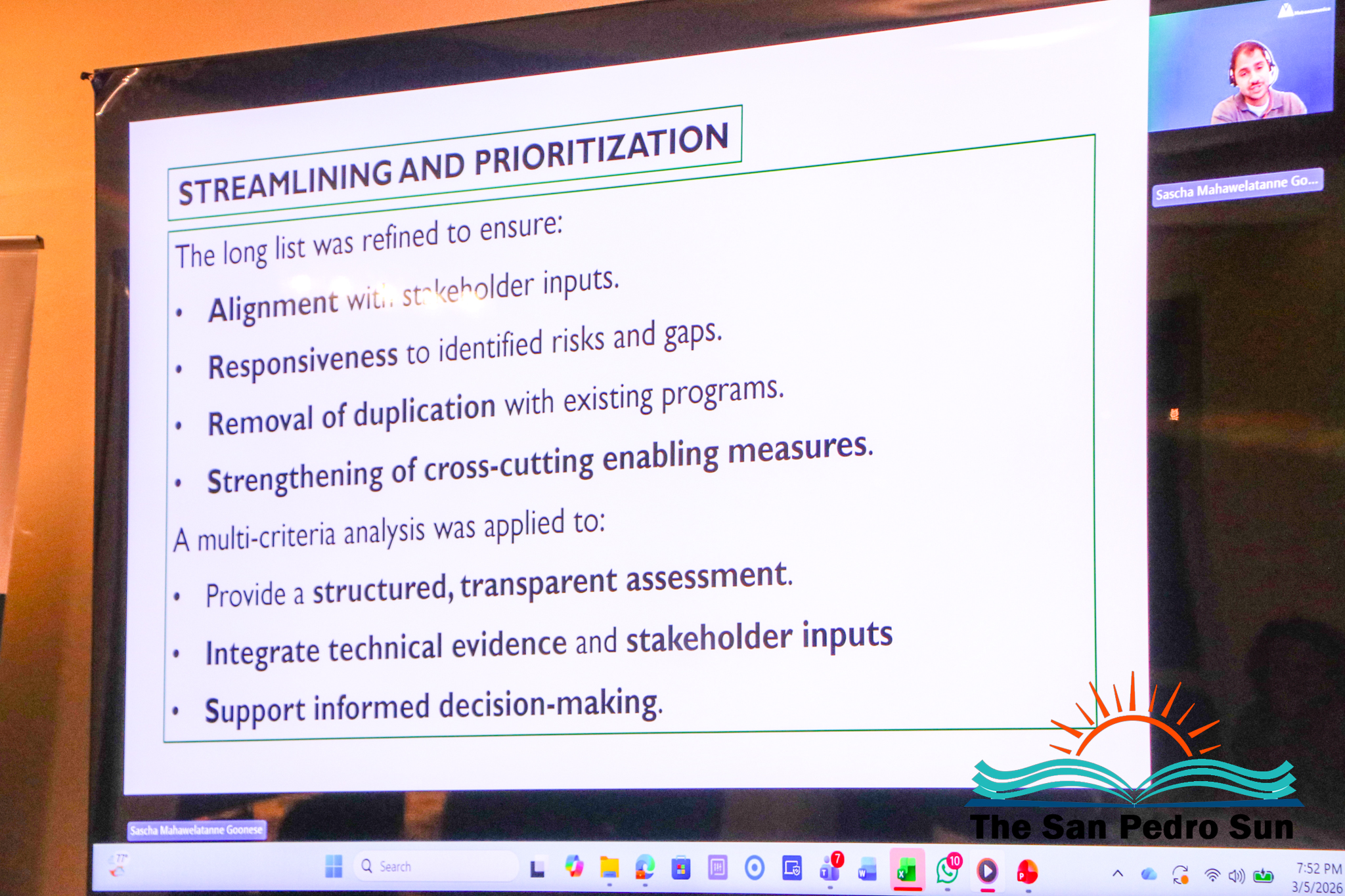
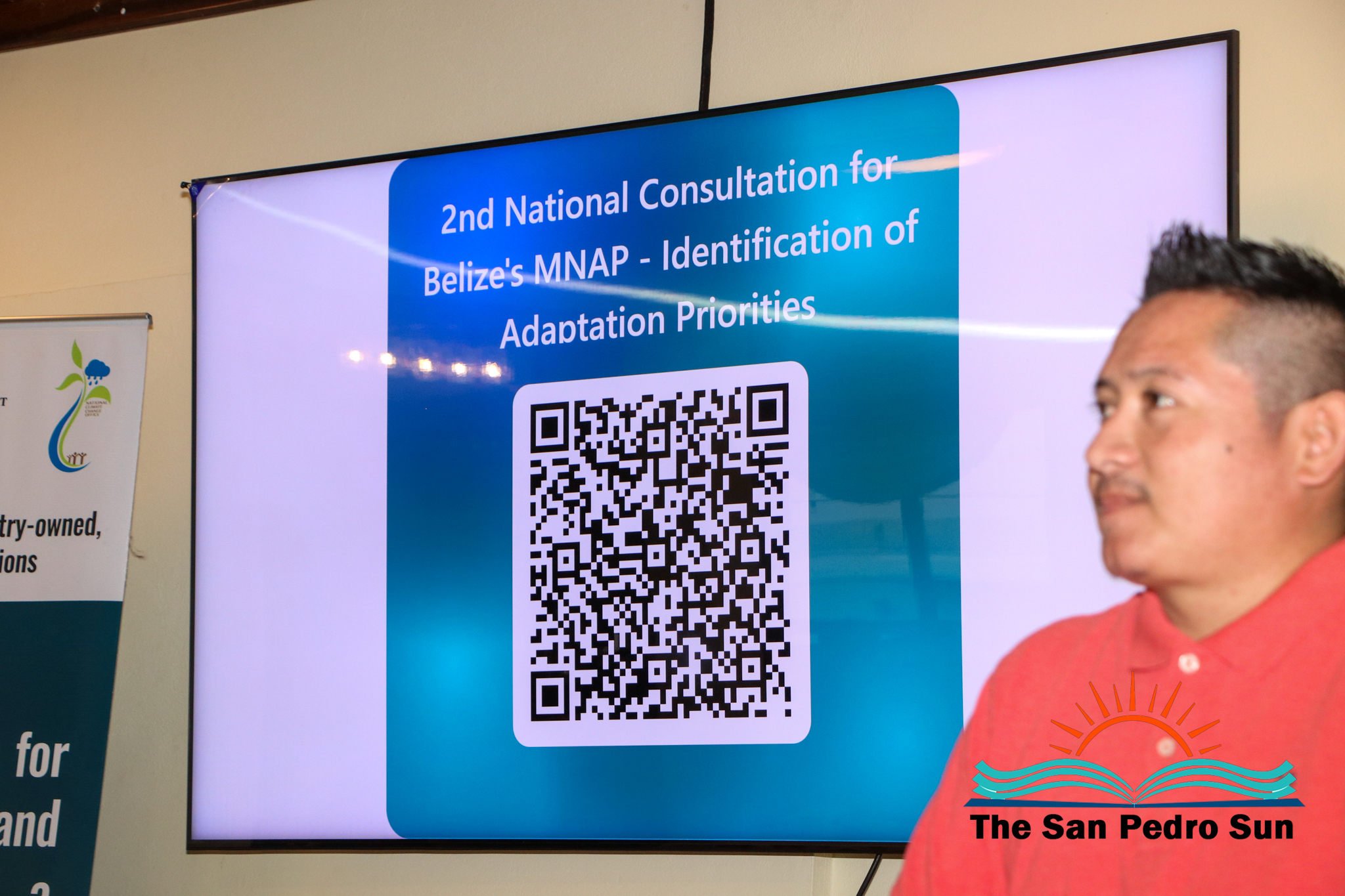


Group activities followed, with participants divided into five sector teams: health, land use, forestry, tourism, and agriculture. Each team was tasked with identifying adaptation priorities for San Pedro and Caye Caulker, focusing on local challenges such as coastal degradation and waste management.
The workshop built upon the first round of bilateral meetings and district consultations, which uncovered systemic barriers such as gaps in institutional coordination, undervalued early warning systems, and cascading climate impacts on health, agriculture, and ecosystems. The report presented during the consultation summarized these findings, highlighting uneven readiness across sectors, funding gaps, and district-specific issues like sargassum influxes and unsustainable development practices.
Updates to the MNAP process also improved the risk vulnerability gap assessment and simplified adaptation measures to better match stakeholder input. Organizers described the MNAP as a “living document,” with sector-specific actions tailored to both coastal and inland areas, while avoiding duplication of existing policies.


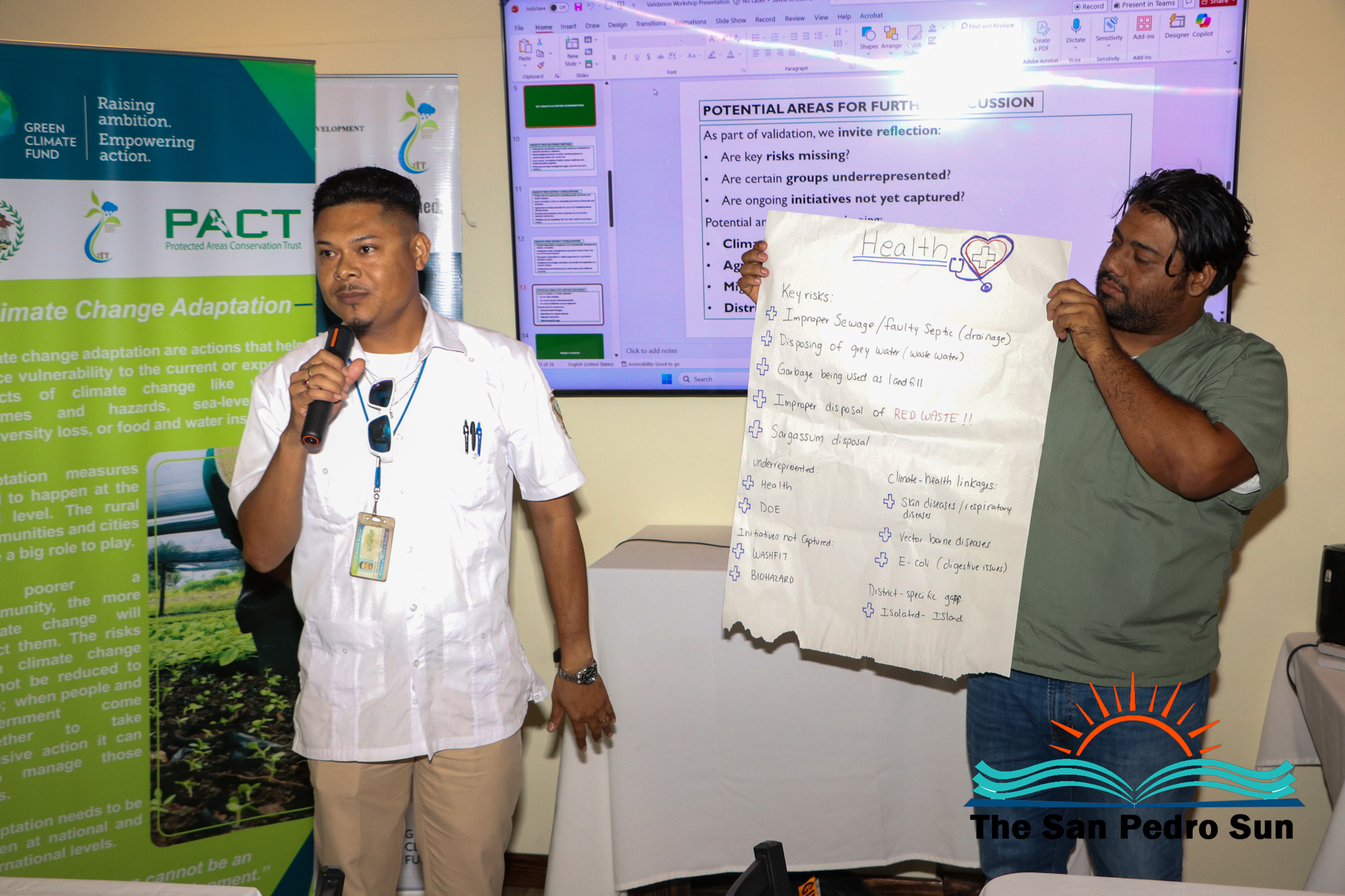


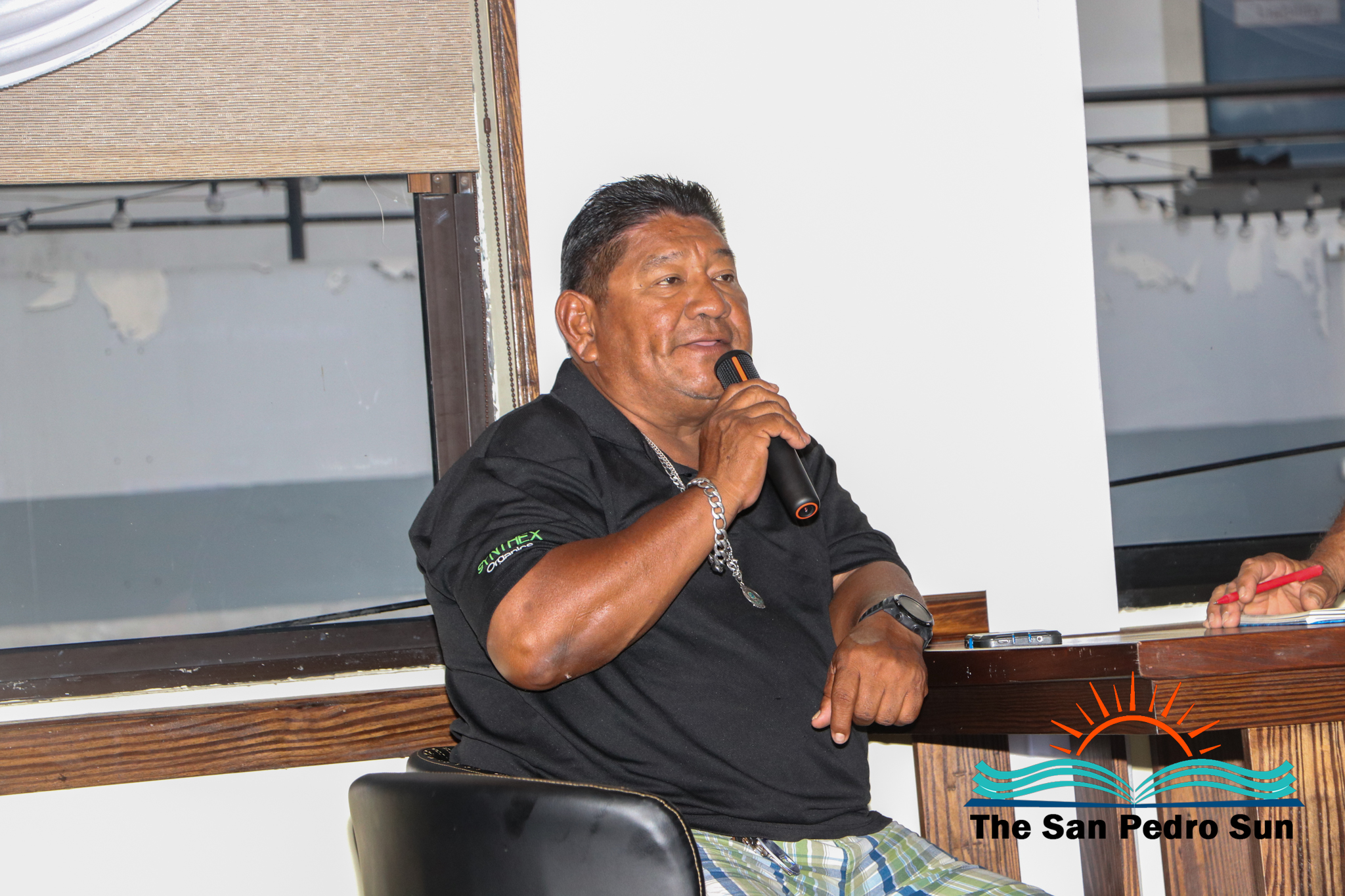

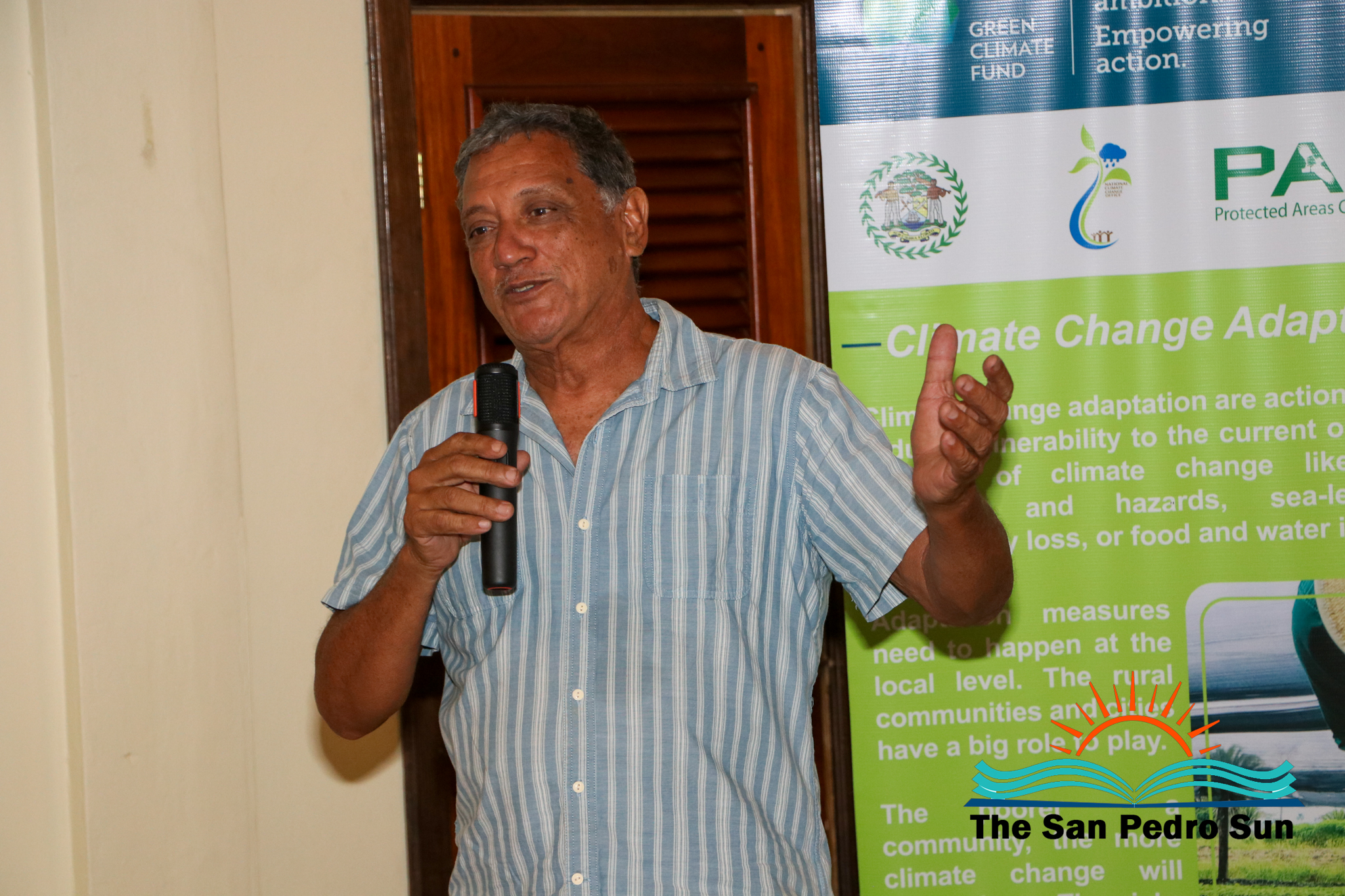

The group presenting on health, which included a health inspector, highlighted several health-related concerns during their session. One of the presenters noted that inadequate sewage management remains a significant challenge on the island. “Improper sewage is the number one issue healthwise in San Pedro… sewer system just concentrates in the town core,” he said, referring to exposed wastewater, garbage landfills that breed disease-carrying vectors, and the unsafe burning of red bag medical waste.


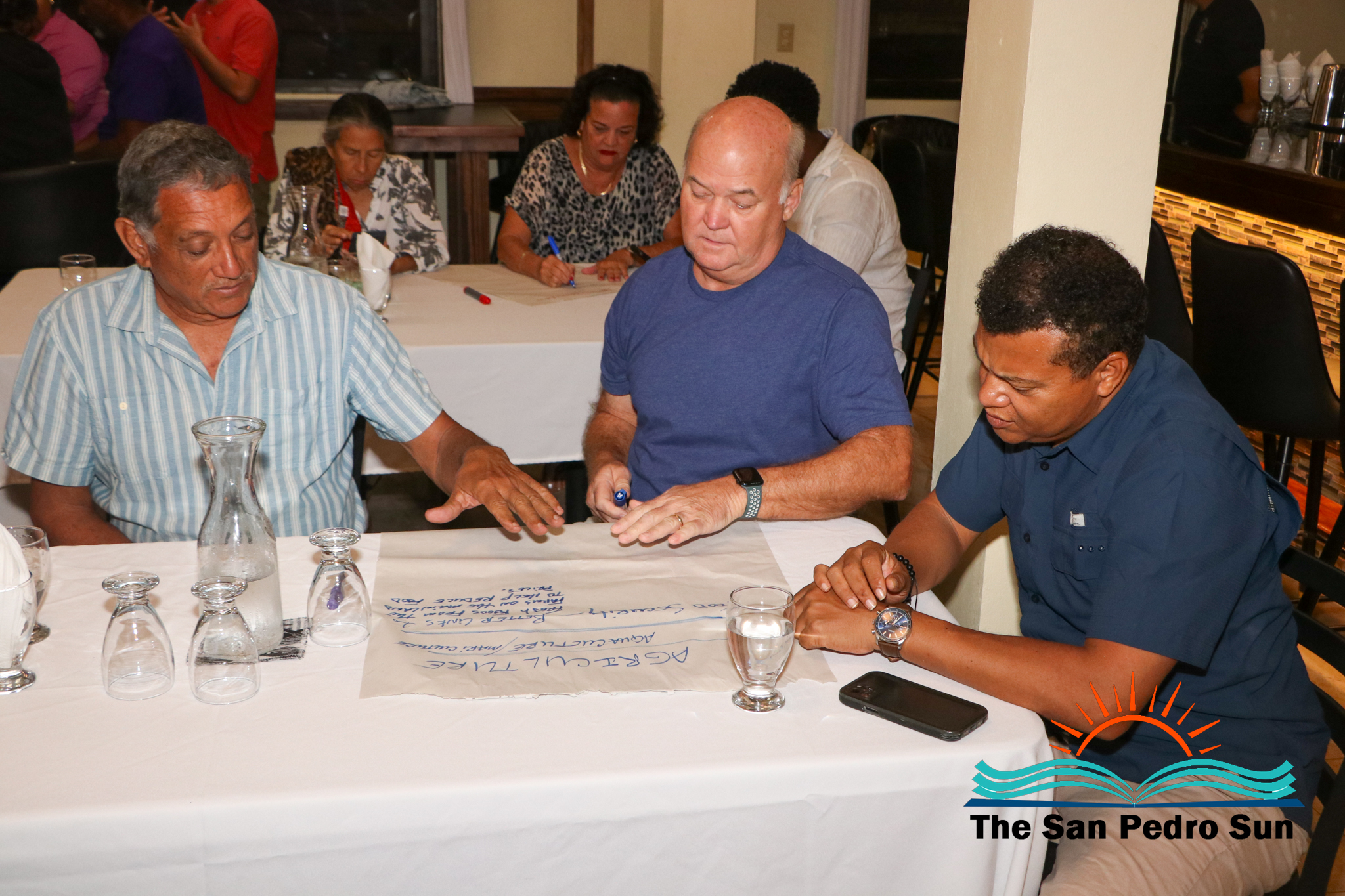



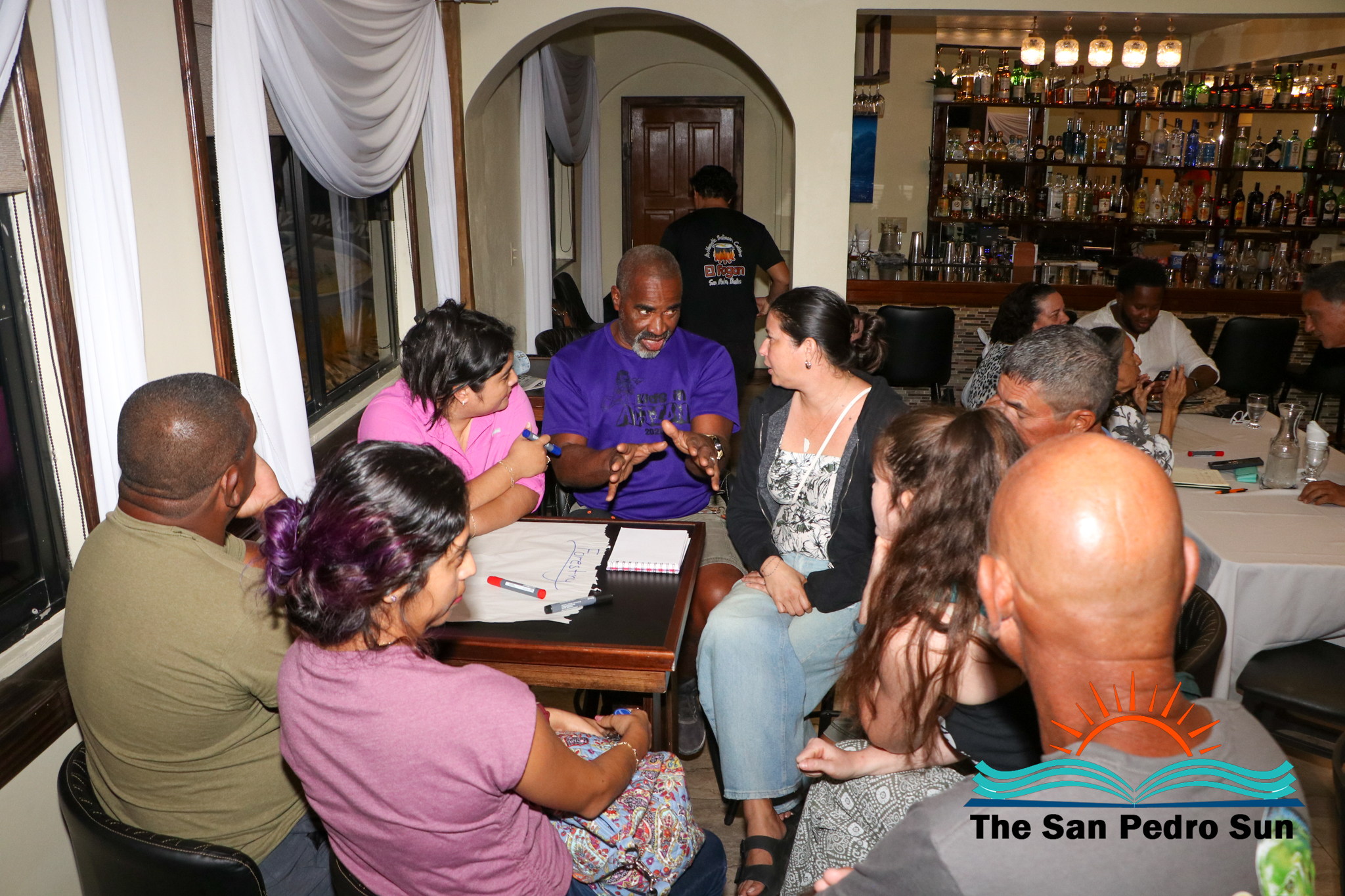

Feedback collected during the consultation will help improve the MNAP prioritization process, resulting in a first draft that reflects district-level realities within national strategies. These strategies include ecosystem restoration, climate-resilient infrastructure, and better environmental management.
Participants also identified gaps in climate-health linkages and coastal agriculture planning, urging stronger local representation in national decision-making. The process aims to bolster Belize’s resilience against rising climate risks, including flooding, coastal degradation, and wildfires, with the final plan expected to guide coordinated climate adaptation efforts across sectors.