

Although the 2026 Atlantic Basin Hurricane Season doesn’t start until June 1st, the World Meteorological Organization (WMO) has already released the official list of storm names. Early forecasts indicate a potentially below-average season. The names assigned for this year include Arthur, Bertha, Cristobal, Dolly, Edouard, Fay, Gonzalo, Hanna, Isaias, Josephine, Kyle, Leah, Marco, Nana, Omar, Paulette, Rene, Sally, Teddy, Vicky, and Wilfred.
The practice of naming tropical storms dates back to 1953, with lists originally developed by the National Hurricane Center. Today, the system is maintained and updated through a formal process led by an international WMO committee. These name lists are rotated and reused every six years. The 2026 list is the same one used in 2020, when multiple storms—including Sally, Paulette, Rene, Teddy, and Vicky—formed during the same period.
Meteorologists indicate that the El Niño weather pattern is highly likely to develop during the summer of 2026. This phenomenon, unlike La Niña, is associated with warmer global temperatures and typically results in reduced Atlantic hurricane activity. In Belize, Chief Meteorologist Ronald Gordon has explained that La Niña conditions tend to decrease upper-level westerly winds across the Caribbean, reducing vertical wind shear and creating a more favorable environment for hurricane formation.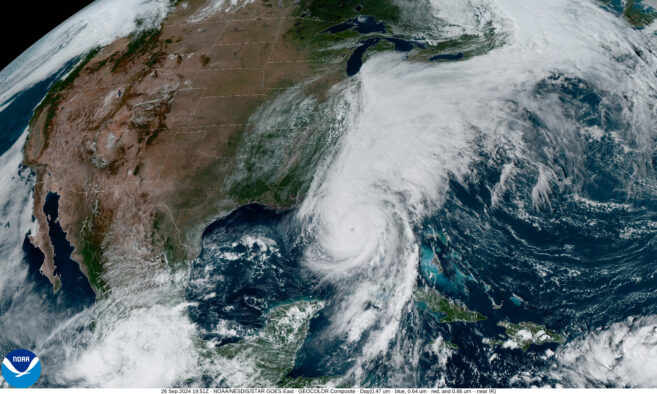
In the past two seasons, Belize has avoided major hurricane impacts. However, in 2024, the country was affected by two tropical storms—Nadine and Sara—which caused widespread flooding and significantly impacted the agricultural sector. On October 19, 2024, Nadine made landfall near Belize City with maximum sustained winds of 60 miles per hour. In San Pedro Town on Ambergris Caye, several streets experienced flooding, beaches were littered with storm debris, and erosion was observed in some areas.
Last year’s hurricane season again saw Belize spared from direct storm impacts. Although the season was active, with several systems rapidly intensifying into major hurricanes, none tracked toward the country.
Local meteorologists at the National Meteorological Service of Belize continue to stress the importance of preparedness, regardless of seasonal forecasts. With warming sea temperatures and shifting climate patterns influencing storm behavior, future hurricane seasons may produce faster-forming, more intense systems.
Share
Related Articles
Read more