


The Belize Police Department, including the San Pedro division, has established procedures to help officers manage the stress from graphic and violent crimes. At the core of these efforts is the Lotus Program, a peer-support mental health initiative aimed at addressing trauma caused by daily exposure to incidents like homicides, assaults, and other violent offenses.
Officers facing high stress levels can request help through their chain of command, which then refers them to Lotus counselors or trained peer supporters. Additionally, supervisors monitor officers for behavioral changes such as withdrawal, irritability, or declining performance and may recommend intervention if needed. This combined approach aims to provide prompt support, especially as crime rates rise.
The Lotus Program was created after a nationwide survey of police officers showed that 70% supported peer-led mental health help. Launched by the Police Department’s Welfare Unit, the program matches trained officers with mental health professionals to offer confidential counseling, stress management workshops, and resilience training. The initiative is partly led by Sergeant Leon Ferguson of the National Training Academy.

In a previous interview, Ferguson explained that the program aims to create a safe and accessible support system for officers, noting that, while the Lotus office already exists, efforts are underway to expand its reach nationwide. The program is designed to provide officers with a confidential space to discuss stress, trauma, and personal challenges encountered on the job, issues that are often left unaddressed within law enforcement culture.
These efforts align with Belize’s broader national focus on health and well-being. On April 7th, Belize joined countries worldwide in observing World Health Day 2026, led by the Pan American Health Organization and the World Health Organization under the theme “Together for Science.” The initiative stressed the importance of evidence-based policies, community engagement, and mental health support as part of a comprehensive public health strategy.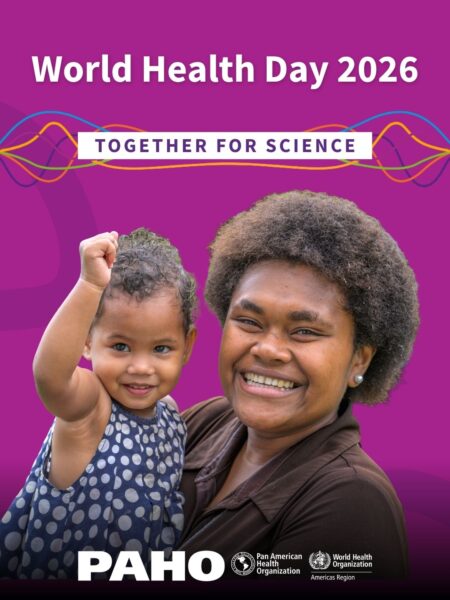
Belize has made significant progress in public health, achieving regional milestones such as eliminating measles, rubella, and congenital rubella syndrome, and preventing mother-to-child transmission of HIV and syphilis. However, health officials warn that these successes require ongoing attention, especially as global vaccination coverage declines, increasing the risk of disease outbreaks.
The country also continues to combat noncommunicable diseases such as cardiovascular conditions, diabetes, and cancer, while encouraging healthier lifestyles and enhancing mental health services. These combined efforts underscore the importance of integrating physical and mental health care, including support systems like the Lotus Program.
As incidents of violent crime continue, the Lotus Program aims to reduce burnout and symptoms linked to post-traumatic stress among officers. With plans for ongoing evaluation and expansion, the initiative shows a growing understanding that protecting public safety also means safeguarding the mental health of those on the front lines.