
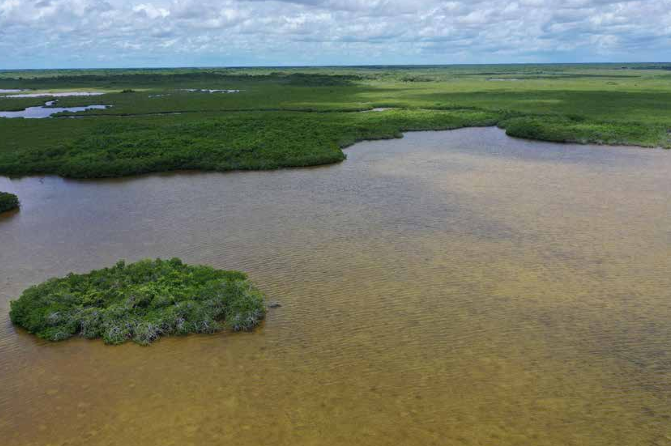

The Belize Forest Department’s National Landscape Restoration Strategy 2022–2030 is guiding a nationwide push to restore 130,000 hectares of degraded forests, farms, and watersheds by 2030, in line with the country’s Bonn Challenge pledge. The strategy, launched after a multi-year assessment and stakeholder consultations, sets concrete targets and timelines for reforestation, watershed protection, and regenerative agriculture, even as expanding coastal construction on islands like San Pedro continues to remove, and in some cases eradicate, mangrove and green areas.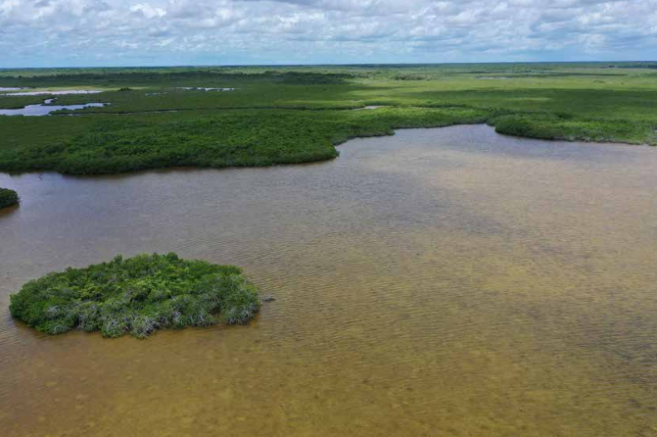
The National Landscape Restoration Strategy grew out of a 2019–2021 technical process using the Restoration Opportunities Assessment Methodology (ROAM), which mapped over 382,000 hectares of “opportunity areas” suitable for restoration across forests and farmland. From this, Belize formally pledged 130,000 hectares to the Bonn Challenge in 2021, including 50,000 hectares for forest restoration, of which 6,000 hectares are riparian forest, and 80,000 hectares for agro-landscape regeneration. The Bonn Challenge, launched by the German government and the International Union for Conservation of Nature (IUCN) in 2011, aims to restore 350 million hectares of degraded and deforested land by 2030, supporting climate, biodiversity, and rural development goals.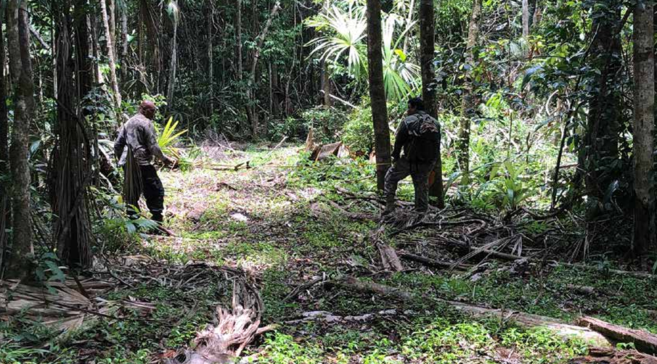
The strategy defines five key result areas: enabling environment (laws and policy), human well-being and local livelihoods, forest and agro-landscape restoration, biodiversity and ecosystem services, and resource mobilization and capacity building. Within these, it outlines nine strategic objectives through 2030, including updating land-use laws, strengthening sustainable forest management in broadleaf forests, scaling regenerative agriculture and silvopastoral systems, restoring and protecting watersheds and riparian forests, boosting public awareness, and establishing long-term funding mechanisms for restoration. The Forest Department and its partners translate these objectives into specific actions, such as planting native trees, supporting agroforestry, and rehabilitating degraded riparian zones under a 2021–2030 implementation schedule.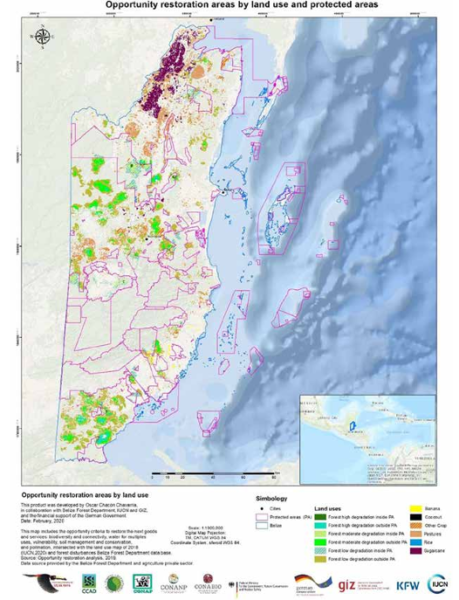
Restoration efforts in Belize began before 2022. The current strategy builds upon earlier national policies, including the National Climate Change Policy Strategy and Action Plan (2014), the National Forest Policy (2015), and the National Environmental Policy and Strategy (2014). These policies emphasized the need for improved watershed management, reduced deforestation, and stricter land-use regulations. Additionally, Belize had participated in regional restoration networks and initiatives linked to the Bonn Challenge and Initiative 20×20 before the implementation of the current strategy, demonstrating a long-standing commitment to combating land degradation. These earlier initiatives established the legal and planning framework for the more focused and results-oriented strategy for 2022–2030.
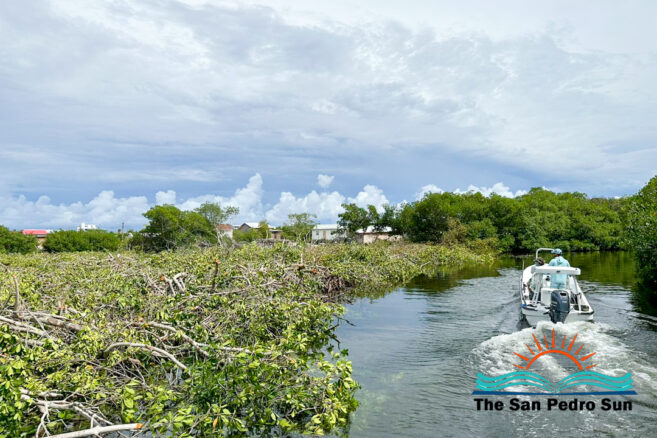
Despite this national push, San Pedro Town presents a stark contrast. In recent years, the ongoing construction of resorts, commercial developments, and coastal infrastructure has led to the removal and, in some cases, complete eradication of mangrove belts and coastal green areas. While the government and NGOs have launched projects such as beach nourishment and mangrove replanting initiatives, these efforts are often undermined when new developments clear mangroves entirely. Officials and environmental groups note that, even where permits require mangrove offsets or restoration, monitoring and enforcement remain inconsistent, weakening the overall impact of restoration plans.
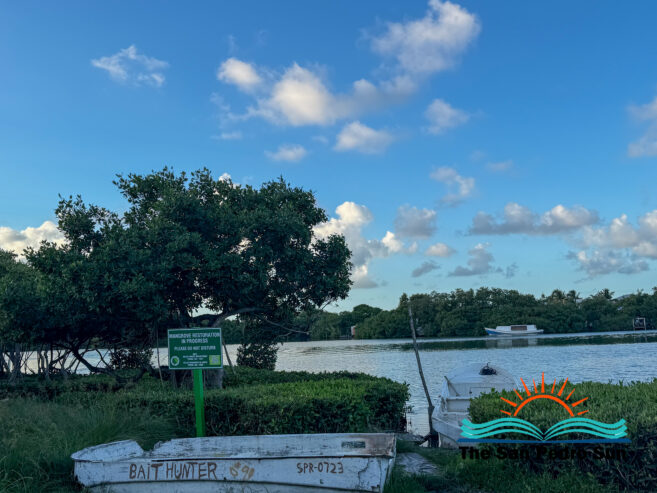
The landscape restoration strategy is already being carried out through national and regional projects, such as the Greening Belize Initiative, which aims to plant one million trees by 2035 and supports community-led riparian and watershed restoration through micro-grants. Regionally, Belize is also engaged in Ridge to Reef and SICA-linked landscape restoration programs aligned with the Bonn Challenge and the United Nations Decade on Ecosystem Restoration. However, local experts warn that without stronger land-use zoning, stricter enforcement of mangrove protection regulations, and clearer integration of the 2022–2030 strategy into local planning, the national pledge may only be achieved on paper while coastal areas like San Pedro continue to lose critical natural habitats.