

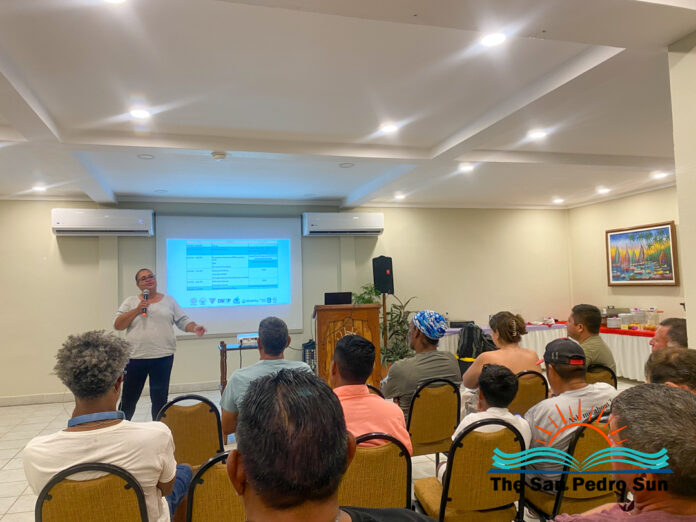
Fishermen and tour guides gathered on April 24th in San Pedro Town, Ambergris Caye, for a consultation on the proposed expansion of biodiversity protection zones in Belize. Presentations focused on areas along the country’s Caribbean coast that could be designated for protection, supporting Belize’s goal of safeguarding 30% of its marine space by 2030. Currently, approximately 25% of the country’s sea space is designated as marine protected areas.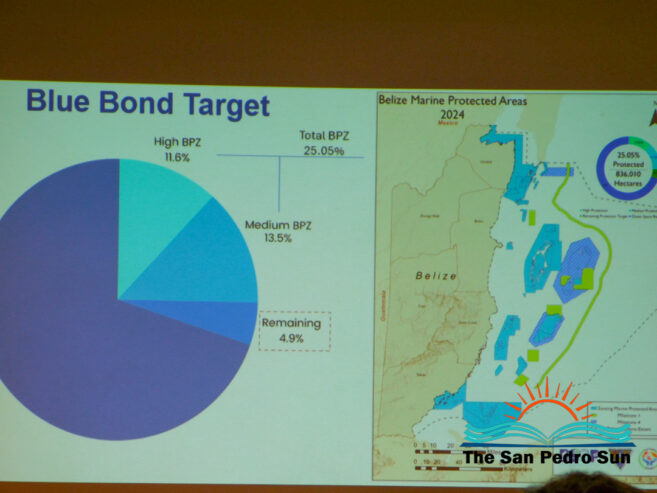
The consultation included representatives from the Ministry of Blue Economy and Marine Conservation, the Belize Sustainable Ocean Plan (BSOP), the Coastal Zone Management Authority and Institute, the Belize Fisheries Department, and the World Wildlife Fund for Nature (WWF), along with other stakeholders.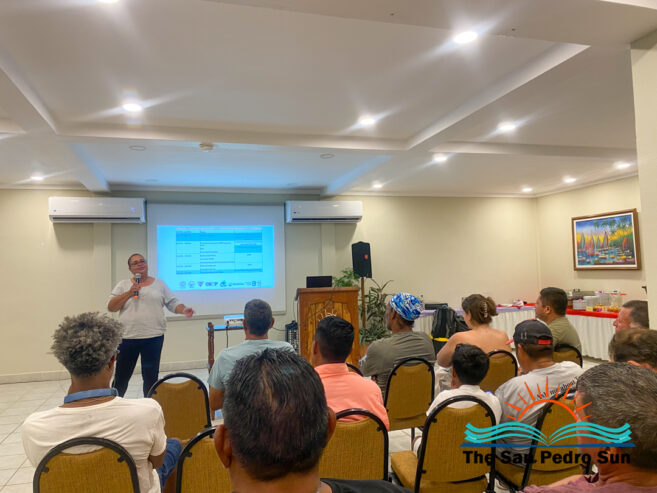
The nationwide consultation featured opening remarks from Chief Executive Officer Beverly Wade, who emphasized the importance of expanding protected areas to preserve Belize’s marine ecosystems. She noted that the consultations provide an opportunity to engage stakeholders and gather input from those directly involved in the marine sector.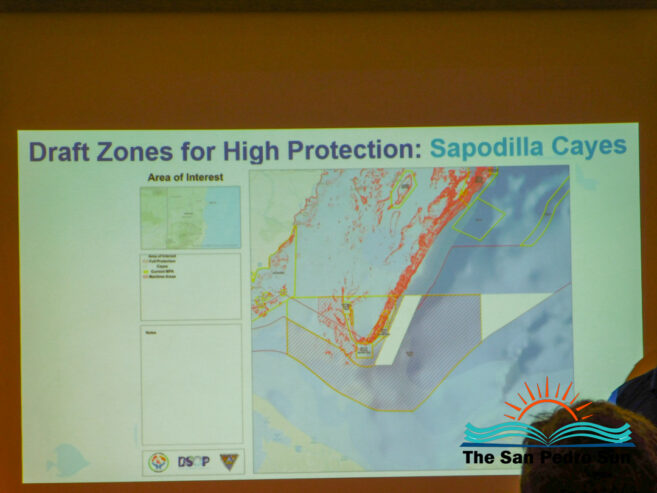
Proposed new areas include zones within the Sapodilla Cayes and offshore waters along the central Belize coast. The BSOP team explained that a key objective is to expand biodiversity protection zones to meet the 30% target. While many tour guides in attendance supported the initiative, they stressed that more attention is needed in the waters surrounding Caye Caulker and Ambergris Caye.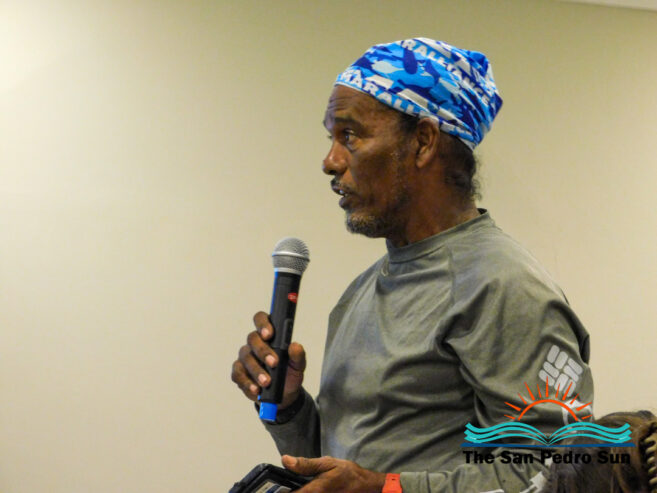
President of the San Pedro Tour Guide Association, Philip ‘Billy’ Leslie, highlighted concerns about the condition of the marine environment around Ambergris Caye. “We cannot protect the reef if we cannot protect the seagrass and mangroves,” he said. “These ecosystems have great value.” He added that such habitats continue to face threats from unsustainable development.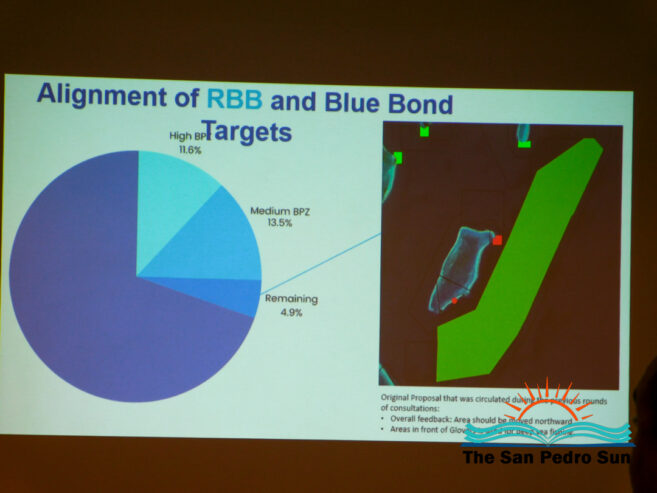
Wade acknowledged the concerns raised, particularly about mangrove protection. She explained that although mangroves fall under the Ministry of Forestry’s jurisdiction, interagency collaboration is necessary. “We have to see how we can work with the Ministry of Forestry,” Wade said. “This will guide us in strengthening the system and holding those who need to be accountable.”
Participants also suggested strengthening protection within existing marine reserves by designating more high-protection zones. Concerns were raised about ongoing threats from development. “It is not just about protecting, but about addressing the root of the threat—developers,” one fisherman said. “They infringe on marine protected areas and undo years of conservation work.”
Additional presentations by WWF highlighted the Resilient Bold Belize (RBB) project, which aims to strengthen coastal and marine ecosystems. Belize is globally recognized as a biodiversity hotspot, supported by the Belize Barrier Reef Reserve System’s designation as a World Heritage Site and by its coastal Ramsar sites. Presenter Osmany Salas explained that healthy reef, mangrove, and seagrass ecosystems are critical to supporting fisheries, tourism, and coastal protection from storms.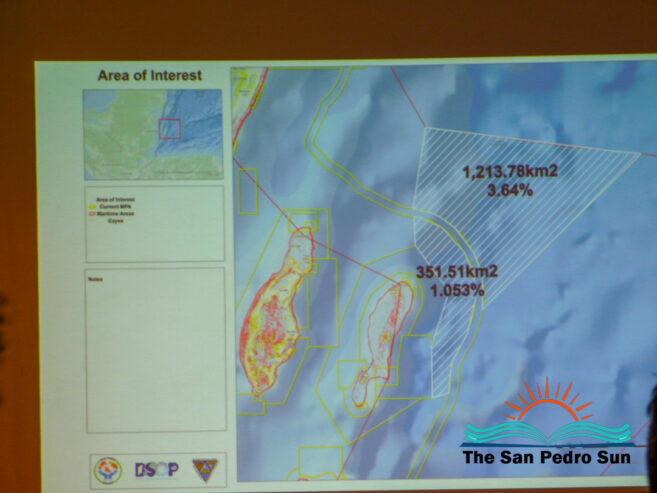
The meeting concluded with an interactive session on sustainable fisheries, ocean-based livelihoods, and community-driven mapping. Participants proposed recommendations to protect livelihoods, including increased enforcement and stronger protections for fishing camps.
As consultations continue across the country, organizers thanked participants for their input and assured them that their feedback will be considered in shaping future marine protection strategies.
Share
Related Articles
Read more