

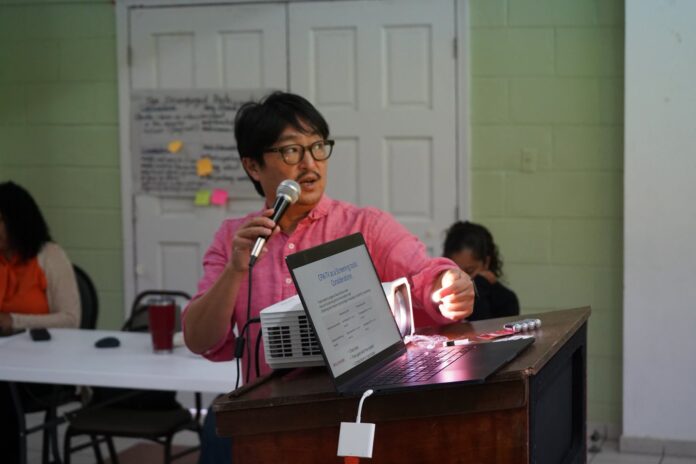
The Ministry of Education, Culture, Science and Technology (MoECST) launched a national training program on June 17th to strengthen inclusive education for students with disabilities and learning differences. The week-long initiative brought together 55 teachers and Special Education Officers for in-person training sessions at the University of Belize in Belmopan and the Technical and Vocational Education and Training (TVET) Institute in Belize City. The Ministry, in collaboration with the Inter-American Development Bank (IDB) and the Global Partnership for Education (GPE), said the program will certify participants as Special and Inclusive Education Coaches.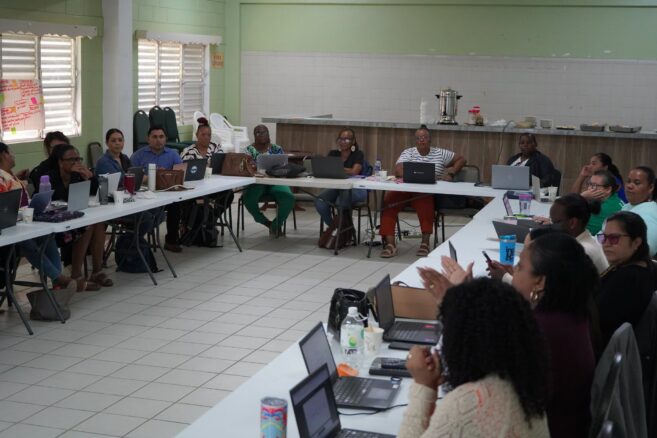
The training forms part of the Skills for the Future Program, supported by the IDB and funded in part by the GPE. Participants are being equipped with practical strategies for classroom inclusion, developing Individual Education Plans (IEPs), and mentorship techniques to support fellow educators. Following the initial in-person sessions, participants will continue with online coursework and structured mentoring designed to prepare them to train and support teachers across the country.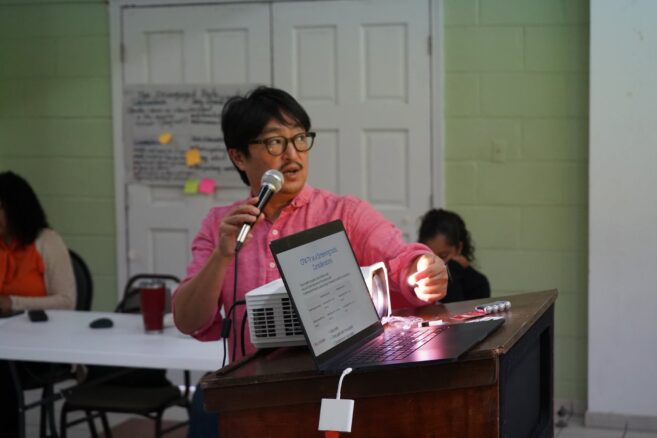
Access to trained educators has long been a challenge for many Belizean families, including those in San Pedro, whose children have special educational needs and learning differences. One San Pedro parent of an 11-year-old child with autism welcomed the initiative, stating on June 17, “My daughter is 11, and I have to pay a lot for private tutors to help her keep up with the rest of her class. This new training program sounds like a good direction and would help a lot of parents who have children who learn at a different pace and who do not have the money to pay for private tutors.”
The Ministry described the initiative as a response to existing learning gaps within the education system. By certifying the first cohort of coaches, officials hope to build local capacity quickly and sustainably. The coaching model emphasizes peer training and mentorship, allowing knowledge and expertise to remain within school communities rather than relying solely on periodic external workshops.
The program follows years of advocacy, planning, and consultations with international partners. Previous efforts to expand special education services were often constrained by a shortage of specialist teachers and uneven resources at the school level. Through the coaching model, the Ministry aims to create a ripple effect, equipping hundreds of teachers with the tools and knowledge needed to foster more equitable and accessible learning environments.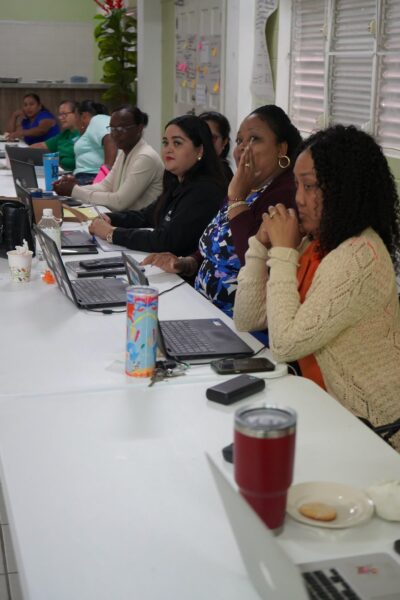
Coaches will not only train teachers to develop and implement IEPs but also model inclusive teaching practices that enable children of all abilities to learn together in the same classroom. The initiative aligns with regional efforts to make education systems more inclusive, resilient, and responsive to the diverse needs of students.
Students with learning disabilities in San Pedro and across Belize could benefit significantly from the program. The Ministry expects the initiative to reach approximately 500 teachers nationwide as newly certified coaches train and mentor educators within their respective districts.
Share
Related Articles
Read more