

On June 17th, the Government of Belize tabled the proposed Belize Electricity Investments Bill during a meeting of the House of Representatives. The bill would authorize the government to purchase just over 8.1 million shares in Belize Electricity Limited (BEL), a transaction valued at approximately $73 million.
Under the proposed legislation, the government would acquire 8,138,020 convertible redeemable preference shares for $9 per share. The bill also provides for a special appropriation from the Consolidated Revenue Fund and authorizes the government to raise financing through Treasury instruments to complete the acquisition.

The proposal follows previous government efforts to increase national ownership of strategic energy assets, including negotiations to acquire Fortis-owned hydroelectric facilities and earlier investments in BEL. During the House meeting, Prime Minister John Briceño said the proposed purchase is intended to strengthen national ownership and influence within Belize’s energy sector. He added that several conditions must be satisfied before the transaction is finalized to ensure transparency and accountability.
The proposal has drawn criticism from the Opposition. On June 16th, Opposition Leader Tracy Taegar-Panton described the plan as a potential “bailout” and questioned the source of the funding. “I will tell you, if following that meeting, we get any hint that we will use our SSB money to bail out BEL, you will be the first to know,” Taegar-Panton said.
She stated that she had directly questioned government representatives about whether the funds would come from the Social Security Board (SSB), but said she did not receive a clear answer, although she was assured that SSB funds were not involved. Taegar-Panton argued that regardless of the funding source, the cost would ultimately be borne by Belizean taxpayers.
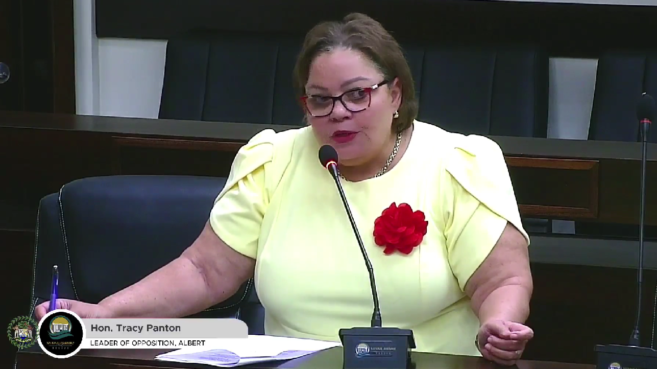
The Opposition Leader further suggested that Belizeans might be more supportive of the investment if it resulted in lower electricity rates or improved service, but questioned whether those benefits would materialize.
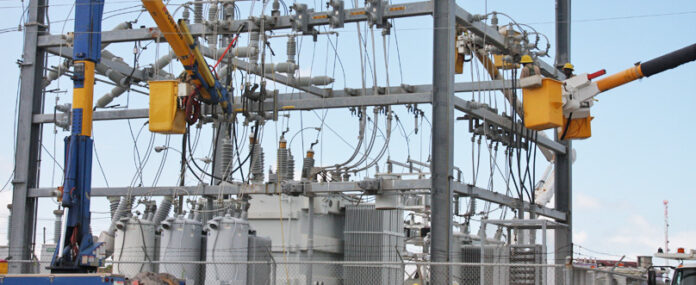
The proposed acquisition comes as BEL continues to play a critical role in the country’s energy sector. According to the company’s 2025 Business Report, BEL served 116,894 customer accounts, sold 720.9 gigawatt-hours (GWh) of electricity, and recorded a peak demand of 135 megawatts (MW). The utility invested $106.2 million in capital projects during the year and generated 831.19 GWh of electricity, with renewable energy sources accounting for 72.84% of local generation.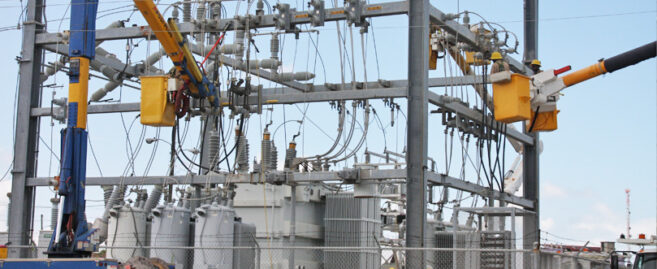
Despite increased revenues of $296.67 million in 2025, up from $290.3 million in 2024, BEL reported financial challenges linked to rising energy procurement costs. The cost of power increased to 76% of revenues, contributing to a decline in Earnings Before Interest, Taxes, Depreciation, and Amortization (EBITDA) from $30.3 million in 2024 to $23.7 million in 2025. The company also recorded a net loss of $23.3 million, compared with $9.7 million the previous year. BEL attributed the results to higher energy costs, limited access to lower-cost power sources, and delays in recovering actual power costs.
If approved, the Belize Electricity Investments Bill would increase the government’s stake in BEL and potentially expand its influence over future decisions related to energy policy, pricing, and infrastructure development. As debate over the proposed legislation continues, Belizeans await further details regarding the financing structure and the potential impact of the acquisition on the country’s electricity sector.