

The 2026 sugar cane crop in northern Belize officially ended on June 20th after producing approximately 815,000 tons of cane, well below the industry’s one-million-ton target. Industry officials have described the harvest as the lowest in more than three decades, citing unfavorable weather, labor shortages, and reduced cane availability.
Despite the lower production figures, Minister of State in the Ministry of Economic Transformation, Honorable Dr. Osmond Martinez, said the overall sugar output was stronger than last year’s due to improved cane quality and a better sugar extraction rate.
“While the harvest has ended in the north, harvesting continues in the west, where there are still an estimated 70,000 to 90,000 tons of cane remaining in the fields,” Martinez said on July 2nd. “The numbers from the north show a slight increase in sugar production compared to last year, and we expect a significant increase in the west.”
According to Belize Sugar Industries (BSI) Cane Farmer Relations Officer Olivia Carbaya Avilez, the northern crop failed to meet production targets primarily because of early rains, which created difficult harvesting conditions. She also pointed to labor shortages and a reduced supply of harvestable cane as contributing factors.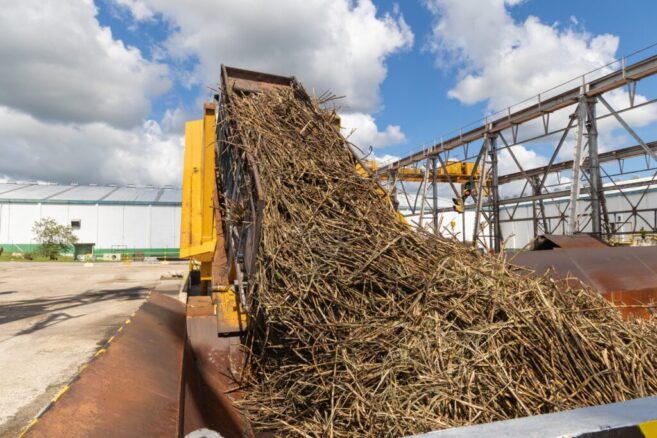
Attention has now shifted toward preparations for the next crop season, with producers expressing hope for improved yields. One of the sector’s primary concerns remains the spread of Fusarium, a disease affecting sugar cane fields across northern Belize. In response, the Government of Belize and BSI have partnered on mitigation efforts, supported by a $2.5 million government investment to control the disease and reduce its impact on future production.
At the start of the 2026 crop season in January, the Government announced an increase in the regulated price of sugar, saying the measure was intended to provide greater returns for cane farmers while discouraging the illegal importation of contraband sugar. The revised prices were expected to be gazetted and implemented nationwide.
While some businesses expressed concern that higher sugar prices could increase operating costs, particularly for bakeries, cafés, and other food service establishments, no widespread increases in the prices of sugar-based products have been reported.
Share
Related Articles
Read more