

The Caribbean Climate Outlook indicates that intense heat and high humidity are expected across the region in the coming months, particularly as the Caribbean Heat Season peaks in August and September. A slower-than-usual increase in wet days is also expected in Belize and other parts of the region.
The strengthening El Niño phenomenon is expected to influence weather conditions throughout the remainder of the Atlantic hurricane season. While El Niño generally suppresses Atlantic hurricane activity, unusually warm ocean temperatures in parts of the Caribbean can still support tropical cyclone development and intensification.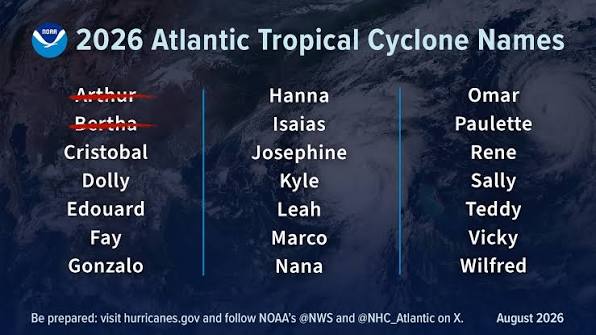
Regional and international forecasters are predicting a below-average Atlantic hurricane season. However, they have warned that even with fewer tropical cyclones expected, periods of excessive rainfall could still trigger emergencies such as flooding and flash floods across Belize and the wider Caribbean.
The United States National Oceanic and Atmospheric Administration (NOAA) continues to forecast between seven and 13 named storms for the 2026 Atlantic hurricane season. According to its updated outlook issued on August 6th, between two and six of these storms could become hurricanes, with up to two developing into major hurricanes.
NOAA noted that these predictions cover the entire hurricane season, from June 1st through November 30th, and include the two named storms that have already formed this year, Arthur and Bertha.
Tropical Storm Arthur was the first named storm of the 2026 Atlantic hurricane season, forming in June over the Gulf. The storm produced heavy rainfall and severe weather along portions of the United States Gulf Coast. Tropical Storm Bertha later became the second named storm of the season.
NOAA forecasters continue to predict a 75% chance of below-normal hurricane activity, compared to a 20% chance of a near-normal season and just a 5% chance of above-normal activity. The agency noted that its updated prediction remains similar to the initial outlook released in May.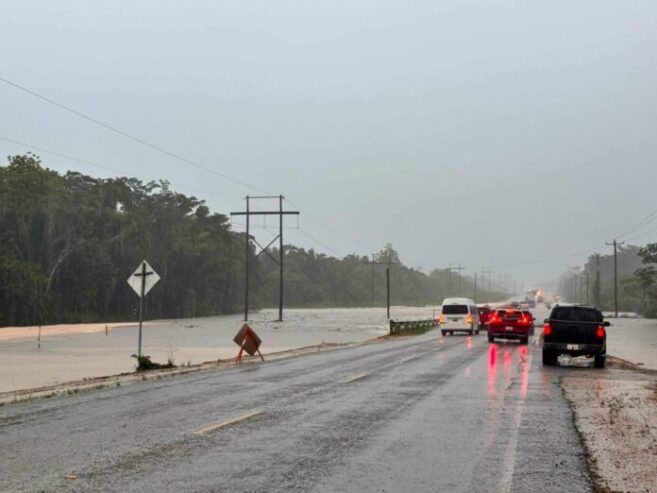
In July, Belize experienced periods of heavy rainfall following the passage of tropical waves. Flooding was reported in several communities in central Belize, including the capital, Belmopan, where homes, roads, and businesses were affected.
Despite the forecast for a less active hurricane season, residents are reminded that seasonal activity does not determine the likelihood that a storm will directly affect Belize. Authorities continue to encourage residents to remain prepared throughout the hurricane season.
An average Atlantic hurricane season produces approximately 14 named storms, of which seven become hurricanes, and three become major hurricanes.
Share
Related Articles
Read more