

The Government of Belize has officially launched the National Commission for Persons with Disabilities, marking a new phase in the implementation of the Disabilities Act, 2024. The Commission is expected to help transform the rights outlined in the legislation into coordinated action and improvements in the daily lives of persons with disabilities.
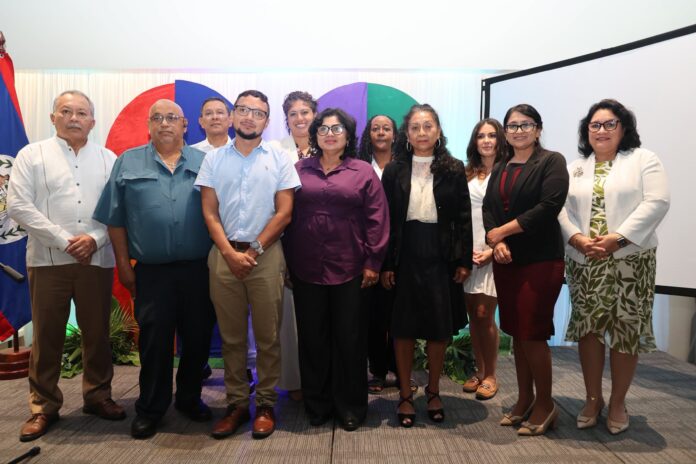
The Ministry of Human Development, Family Support and Gender Affairs launched the Commission on September 3rd under the theme “Together Towards Inclusion.” The event brought together persons with disabilities, government officials, civil society organizations, disability advocates, development partners and representatives of national institutions.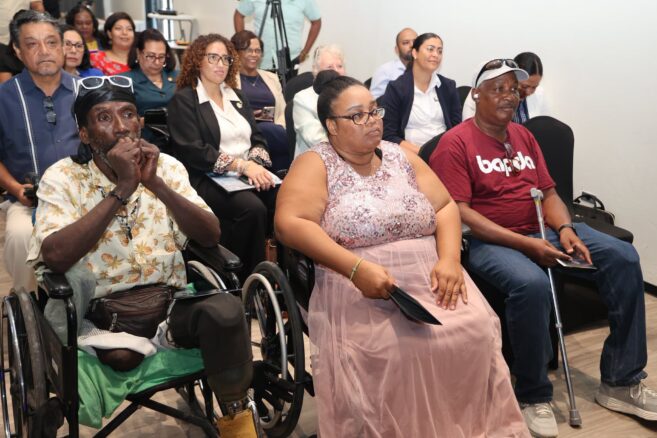
According to the Government of Belize, the Disabilities Act provides a comprehensive legal framework to protect and advance the rights of persons with disabilities. The legislation covers education and training, employment, healthcare, accessibility and protection from discrimination.
The Commission includes representatives from government, civil society organizations, labor, the private sector and other national institutions. Under the Act, the Chief Executive Officer of the ministry responsible for human development serves as its chairperson.
Before the public launch, commissioners participated in their first working session.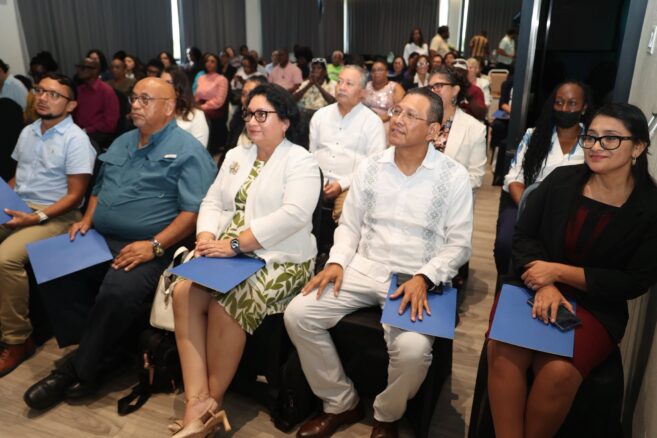 Discussions focused on the Commission’s mandate, the Disabilities Act, its Terms of Reference and the strategic priorities expected to guide its work. During the official ceremony, members received their Instruments of Appointment.
Minister of Human Development, Family Support and Gender Affairs Hon. Thea Garcia Ramirez reaffirmed the Government’s commitment to working with the Commission and the disability community to advance inclusion throughout Belize.
Crown Counsel Delvitt Samuels, who drafted the Disabilities Act, provided an overview of the legislation. Disability advocate Alisa Fisher and the Special Envoy for the Development of Families and Children, Her Excellency Rossana Briceño, also delivered special remarks.
For persons with disabilities, however, the Commission’s success will be measured by whether the law leads to visible changes in their communities.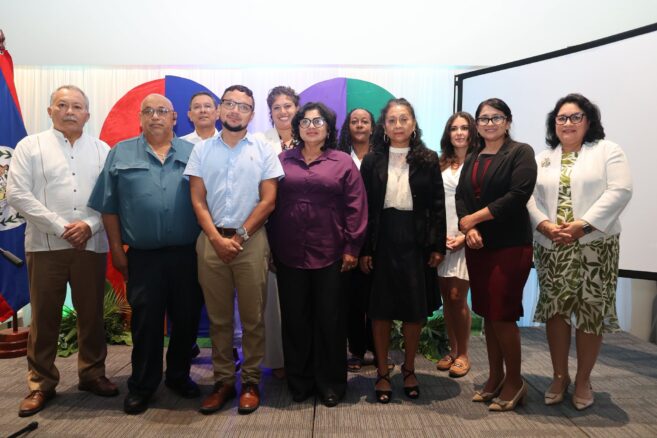
Residents with physical, developmental, sensory, and intellectual disabilities often encounter barriers when trying to access education, employment, healthcare, transportation, and public spaces. These challenges can be harder in smaller or remote communities, where specialized services are limited, and families may have to travel to the mainland for assessments, therapy, or medical care.
In San Pedro, persons with limited mobility have long faced challenges accessing some buildings and services. Uneven streets, limited sidewalks, stairs, and the absence of ramps at some establishments can make it difficult for wheelchair users and others with mobility challenges to move around independently.
Families of children with developmental disabilities and learning differences have also reported difficulties accessing trained specialists and affordable therapy on the island. Some parents must rely on private tutors, visiting therapists, or travel outside San Pedro to obtain services. The cost of treatment, transportation, and time away from work can place additional pressure on households.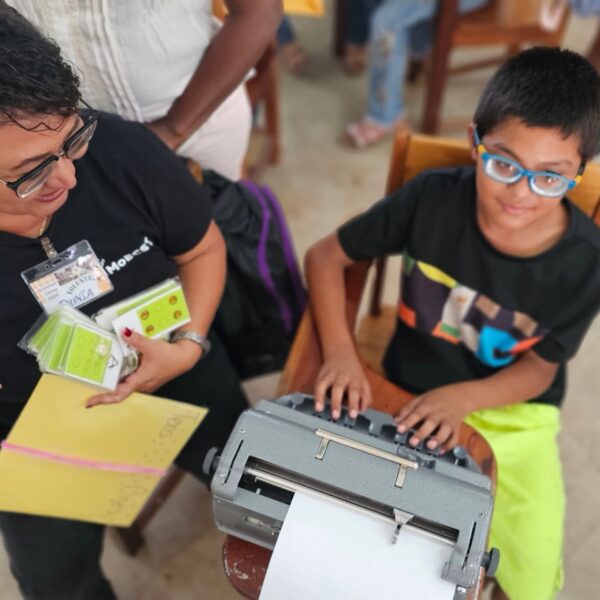
Despite these challenges, several local initiatives are working to improve support.
IncludeMe2 operates a preschool in the Tres Cocos area dedicated to children with special needs, particularly those on the autism spectrum. The school opened in September 2025 with seven students and space for up to 14. It combines education with therapeutic support and includes an interactive classroom, playground, activity terrace, and a quiet room for children experiencing overstimulation.
Before opening the school, IncludeMe2 provided weekend therapy sessions and supported nearly 50 children. The organization has also hosted visiting speech and occupational therapists, giving some families access to services that previously required travel from the island. IncludeMe2 is currently accepting applications for preschool and lower-primary students for the 2026–2027 school year. You can contact the organization at 610-3532 or through its Facebook page.
Ambergris Caye Elementary School (ACES) has also operated a special-education program for children with disabilities and learning differences. The school has used individualized education plans and has previously made accessibility improvements, including a ramp and a specialized bathroom for students who use wheelchairs.
A national training program launched in June 2026 could provide further assistance to San Pedro schools. The initiative is training Special and Inclusive Education Coaches to help teachers develop individualized education plans and create more inclusive classrooms. The Ministry of Education expects the program to reach approximately 500 teachers across Belize eventually.
Local organizations have also assisted individuals by providing wheelchairs, raising funds for therapy, and hosting autism-awareness activities. However, most publicly advertised disability-specific services in San Pedro remain focused on children, leaving fewer visible programs dedicated to adults seeking employment support, independent-living assistance, rehabilitation, or accessible transportation.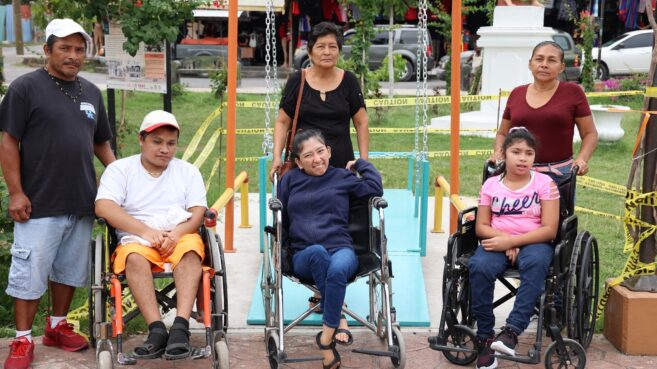
The new Commission is expected to promote greater coordination and accountability across these areas. Its work could also encourage public institutions, schools, employers and businesses to make reasonable accommodations and ensure that persons with disabilities can participate fully in community life.
The Ministry said its goal is not simply to speak about inclusion, but to create a Belize where it is experienced in schools, workplaces, communities, public spaces, services and institutions. For families in San Pedro and across the country, the Commission’s establishment is an important step. Still, its long-term impact will depend on how effectively the Disabilities Act is implemented and enforced.
Share
Related Articles
Read more