
Belize hosted the Third Compliance Risk Management Workshop from October 19 to 22, 2026, bringing together Caribbean tax officials to discuss ways to strengthen compliance, reduce tax arrears, and improve revenue collection. Representatives from Belize, Barbados, Curaçao, Guyana, Grenada, and Jamaica attended the meeting, which received technical support from the International Monetary Fund’s (IMF) Fiscal Affairs Department and the Caribbean Regional Technical Assistance Center (CARTAC).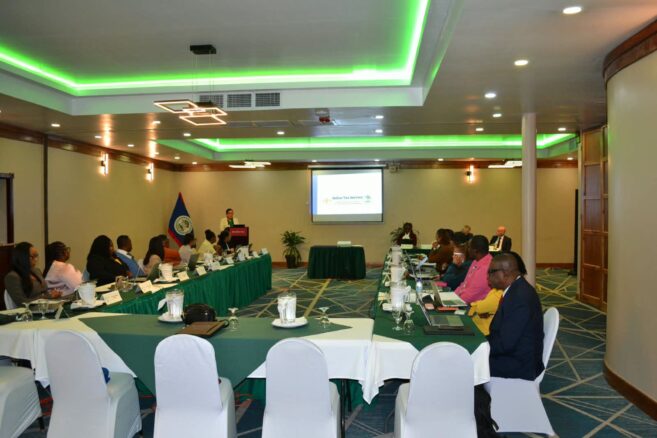
Participants shared experiences with data-driven systems, risk registers, taxpayer education, and strategies to encourage voluntary tax compliance. Discussions also examined how tax administrations can balance enforcement with public education and outreach.
IMF representative Pauline Peters said the organization’s headquarters and CARTAC jointly developed the initiative to support compliance risk management throughout the Caribbean. The workshop gave participating countries a chance to compare progress and learn from approaches used elsewhere in the region.
Sharon Moya, Assistant Director General of the Belize Tax Service, said Belize had committed to specific measures to improve its tax administration. “Belize had agreed to take specific actions to improve compliance in the tax administration,” Moya said. She explained that these commitments include developing a risk register, identifying and addressing risks, and ensuring that a committee meets regularly to discuss compliance issues.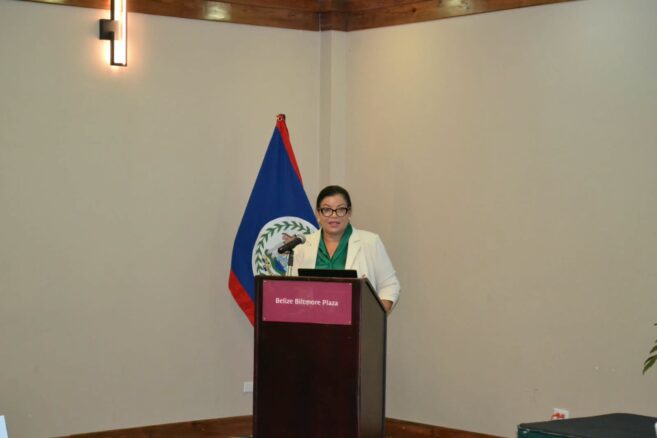
Nicole Williams, Deputy Commissioner of Inland Revenue in Guyana, described her country’s approach to grouping taxpayers into categories. She said the Guyana Revenue Authority’s large-taxpayer segment, established about eight years ago, has recorded high compliance.
Kathleen Pilgrim, Senior Manager of Enterprise Risk at the Barbados Revenue Authority, highlighted the role of taxpayer education in encouraging voluntary compliance. “So hopefully at the end, the citizens would respond similarly and comply voluntarily rather than us having to force them,” Pilgrim said.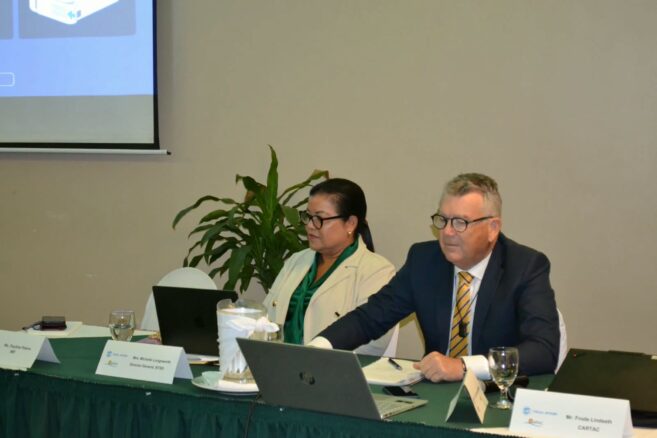
While the workshop focused on strengthening tax administration nationally and regionally, concerns in San Pedro highlight the importance of pairing compliance efforts with improvements in taxpayer services. Residents and businesses on the island have raised concerns about delays and difficulties involving tax returns.
San Pedro’s tourism economy supports hotels, restaurants, tour operators, retailers, and other businesses with tax obligations. Clear guidance, timely responses, and efficient processing can help these businesses meet their responsibilities and resolve outstanding matters.
The local concerns relate to the service taxpayers receive, while the workshop focused on how administrations identify and manage compliance risks. Improvements in one area do not automatically resolve difficulties in the other, so taxpayer support remains a key consideration as Belize advances its administrative reforms.
For San Pedro residents and businesses, the practical value of those reforms will depend on whether they lead to clearer procedures, more accessible assistance, and fewer delays when dealing with the Belize Tax Service.
Share
Related Articles
Read more