
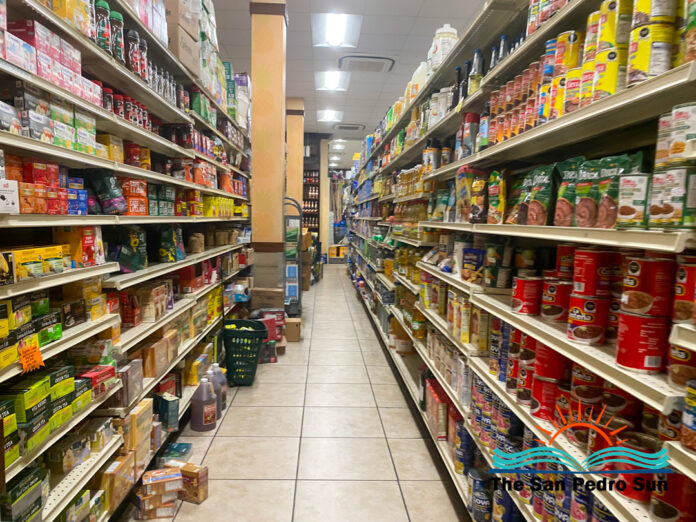

The Government of Belize is developing a plan to address the high cost of living, which continues to place financial pressure on thousands of families across the country. Prime Minister Honorable John Briceño has confirmed that Cabinet is discussing additional measures to provide relief to struggling households. Although the government has not yet disclosed the specific initiatives, it says the proposed measures are expected to be implemented between November 2026 and March 2027.

Speaking on October 30th, Briceño said his team is working closely with the Financial Secretary and the Ministry of Finance to identify savings within the current budget. “With those savings, we want to be able to use them to address the cost-of-living adjustments, different programs, and the different steps we can take and have a direct positive impact in the lives of our citizens,” Briceño said. He did not elaborate on the proposals but said Cabinet continues to work on the details. “When it is ready, it will be shared with the public,” he said.
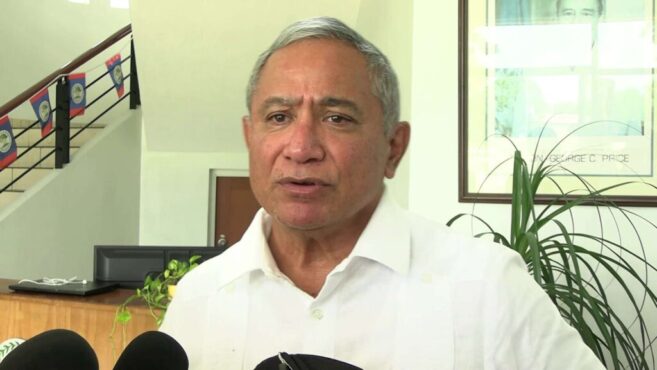
The prime minister’s comments come as rising prices for food, fuel and other household necessities continue to strain family budgets. The government has acknowledged these concerns and pointed to existing programs intended to provide relief.
These include educational assistance, expanded free education and adjustments to income tax thresholds. Electricity relief measures have also been introduced, including raising the General Sales Tax exemption threshold for residential electricity bills from $100 to $200 per month.
However, calls for further action have intensified as families continue to struggle with rising expenses. In San Pedro Town, Ambergris Caye, residents have reported higher prices for goods and services.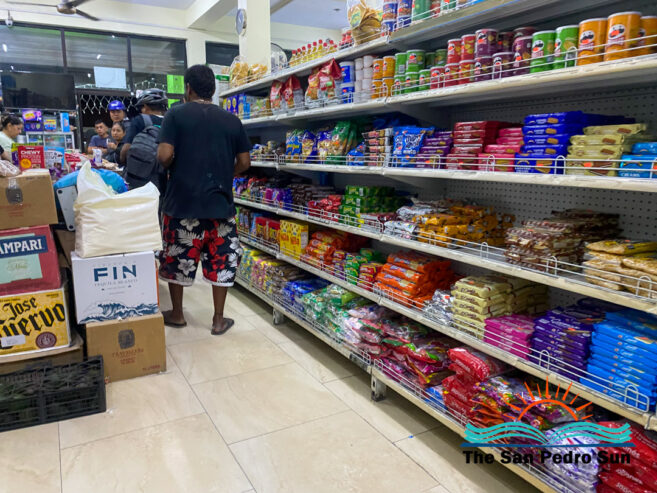
“Everything is transported to the island from the mainland; thus, costs are higher, but with the current situation, everything is a lot more expensive now,” said one island resident, who added that the family has had to increase its household budget.
Residents have also noticed price increases at restaurants, making dining out less affordable. Some reported increases of between $2 and $5 per plate at certain eateries.
“With such drastic increases, we cannot afford to dine out every week. We are now only dining out once a month,” another concerned islander said.
As households continue to manage these challenges, further details on the government’s proposed relief measures are expected once Cabinet finalizes its plans.