

As the 2026 Atlantic hurricane season progresses, public health officials are encouraging island residents to take the necessary steps to prepare for potential storms. Grade 1 Public Health Officer at the Dr. Otto Rodriguez San Pedro Polyclinic II, Zane Bradley, shared several recommendations on June 12, emphasizing the importance of food safety, adequate supplies, proper waste management, and emergency planning before a hurricane strikes.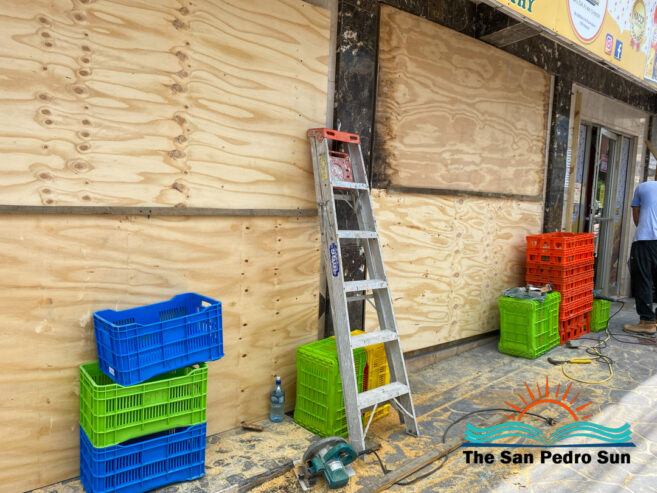
Bradley explained that the public health team’s role during a hurricane is to reduce risks and prevent disease outbreaks. “When we talk about hurricane preparedness, we try to prepare everyone before the storm makes landfall,” he said. “Before the storm, we begin with public health education by visiting households and other premises. We engage with residents and provide them with the necessary information so they can be better informed and prepared.”
Bradley said one of the most important topics is food safety in the aftermath of a hurricane. “To help keep your food safe in the event of a power outage, a plastic bag filled with water can be frozen and kept in the freezer. During a weather emergency, it can help keep food items cold for a longer period, as long as the freezer door remains closed,” Bradley explained. He added that residents should ensure they have enough food supplies to last at least a week, along with any medications needed for ongoing health conditions.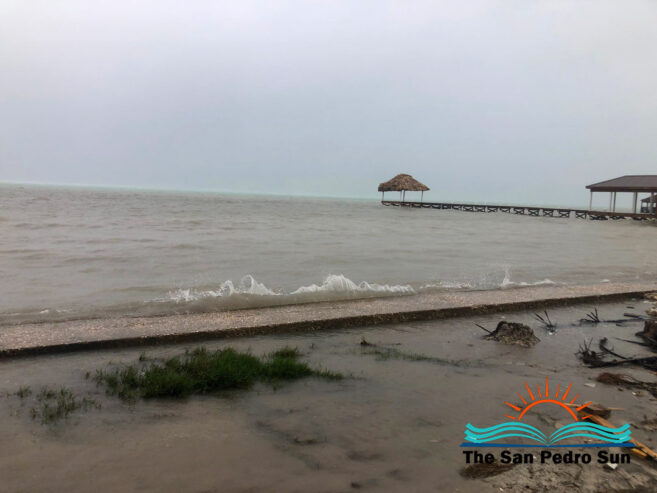
Bradley also addressed concerns regarding drinking water. While many island residents rely on alternative water sources, he emphasized that water supplied by Belize Water Services (BWS) is safe to drink. “BWS, along with other water facilities on the island, is monitored to ensure that its water is safe for consumption,” Bradley said. “Every month, public health inspectors test water from facilities across the island to ensure it meets drinking water standards.”
In addition to monitoring water quality, Bradley said public health officials also focus on vector control programs in collaboration with the San Pedro Town Council, providing support to areas most affected by mosquitoes and other disease-carrying pests. Another responsibility includes inspecting potential hurricane shelters to ensure they are ready to accommodate residents if necessary.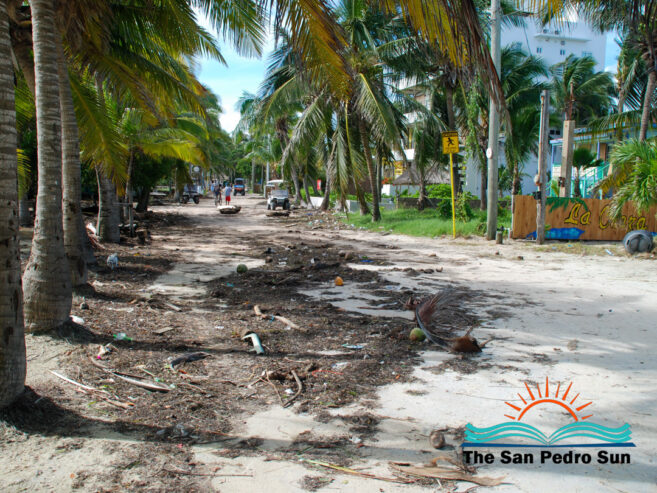
Waste management was another key topic discussed. Bradley warned that improperly managed waste and construction materials can become dangerous during a hurricane. “We have different construction sites on the island, and if debris or construction materials are not properly secured, they can become projectiles during a hurricane, potentially injuring people and damaging property,” Bradley explained.
He urged construction site managers and property owners to ensure their premises are free of loose debris and unsecured materials.
National Emergency Management Organization (NEMO) representative Vanessa Parham also encouraged residents to cooperate with public health officers and take preparedness measures seriously. “Always open your doors to public health officers, who are there to provide information on safety measures during this season,” Parham said.
She reiterated Bradley’s recommendations and encouraged residents to stock adequate supplies, including food and water. “If you decide to stay and weather the storm, prepare enough supplies for at least a week, whether you are staying at a shelter or at a secure home with family or friends,” she noted.
The names assigned for this year’s Atlantic hurricane season include Arthur, Bertha, Cristobal, Dolly, Edouard, Fay, Gonzalo, Hanna, Isaias, Josephine, Kyle, Leah, Marco, Nana, Omar, Paulette, Rene, Sally, Teddy, Vicky, and Wilfred.

Share
Related Articles
Read more