

In January of this year, the 2026 sugar crop season officially opened, with production projected to increase by up to 20%. As the crop season nears its end, production and cane quality are reportedly up; however, concerns about the industry’s future continue to grow. The main issues are rising fuel prices and limited access to fertilizers, factors that are believed to affect next year’s crop and markets nationwide.
One of those markets is the tourism industry, particularly in destinations such as San Pedro Town, Ambergris Caye. Tourism remains the island’s main economic driver, and sugar plays an important role in the gastronomy sector. Many stakeholders are already coping with increased sugar prices announced earlier this year.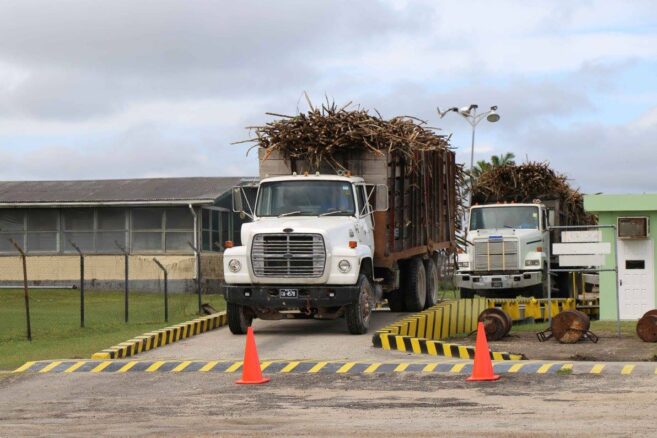
“At our establishment, we have been managing the prices of sugar. Some of our prices for certain pastries have not increased, but in others, we have had slight increases,” a business owner shared. “But if there is a decrease in the sugar supply in the country, then we may have to import, and that may affect our products and prices again.”
Downtown San Pedro is home to numerous coffee shops, bakeries, and restaurants that rely heavily on sugar to operate and serve customers. Business owners hope that measures can be implemented to maintain healthy sugar supply levels nationwide.
The previous sugar crop season was heavily affected by weather conditions and the fungal disease Fusarium. The disease is reportedly now mostly under control after the Government of Belize, in collaboration with Belize Sugar Industries (BSI), partnered on a $2.5 million intervention to mitigate its effects. However, with new challenges ahead, including fuel prices and limited access to fertilizers, industry officials say the situation is still being treated seriously.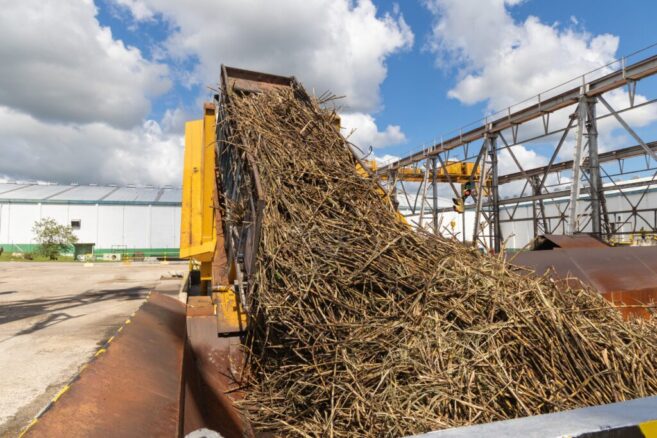
Executive Director of the Sugar Industry Research and Development Institute (SIRDI), Marcos Osorio, told the media that the sugar industry is currently in a critical situation. “With the climate, the liquidity of farmers that is not there, it will certainly have a major impact on production. As such, there is an urgency for the association leaders to strategize,” Osorio said. “For those that have access to fair trade premiums, they should make investments for farmers to be able to make some investments or implement some husbandry practices at the field level, or we will see a further decrease in production, which is very concerning.”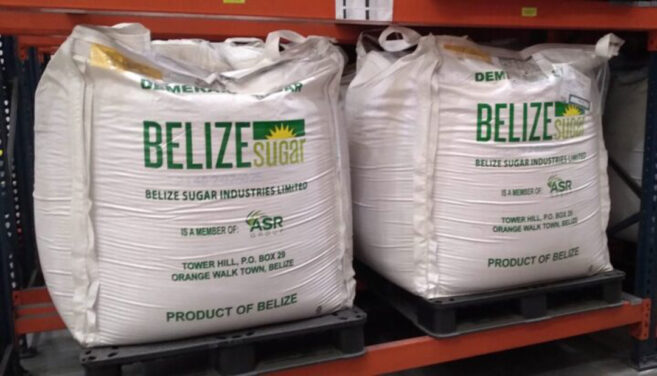
Osorio added that another concern is the mill at the sugar factory in Orange Walk Town. “It has a significant capital investment and actual cost that they have to meet annually,” Osorio explained. “If production gets to 500,000 tons, I don’t know if that is something viable for the mill to be able to operate.” The industry’s projections are typically around 950,000 tons of sugar cane delivered to the mill annually.
Osorio reiterated that although the current crop season is forecast to perform better than last year’s, concerns remain about production next season. The current sugar cane season is expected to end during the second week of June.
Future of Sugar Industry in Belize Continues to Face Challenges; May Affect Tourism Sector
Share
Related Articles
Read more