
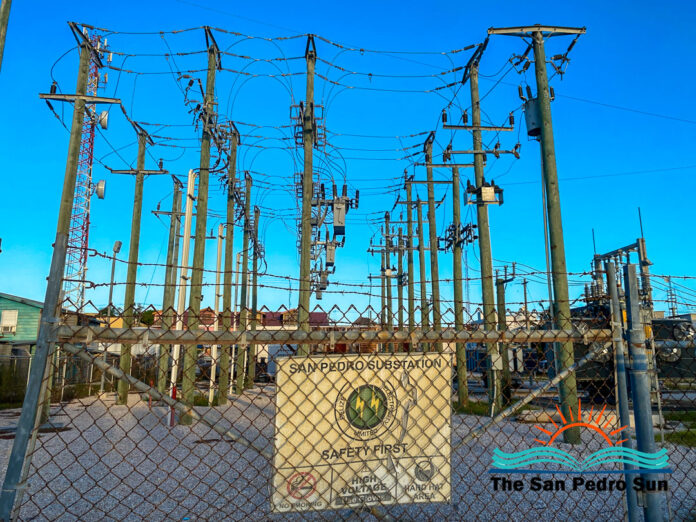

On Tuesday, September 1st, Belize Electricity Limited (BEL) issued a public update reassuring customers that it continues to manage available generation following recent power outages. The company also confirmed that it wrote to the Public Utilities Commission (PUC), requesting a formal emergency declaration to begin procuring additional emergency generation.
BEL said it continues to advance measures to strengthen the country’s electricity supply and improve the reliability of the National Grid.
The company acknowledged two major grid failures over the past week that left most of the country without electricity. BEL attributed the outages to peak evening demand exceeding available in-country generation, combined with a temporary reduction in supply from Mexico’s Comisión Federal de Electricidad (CFE).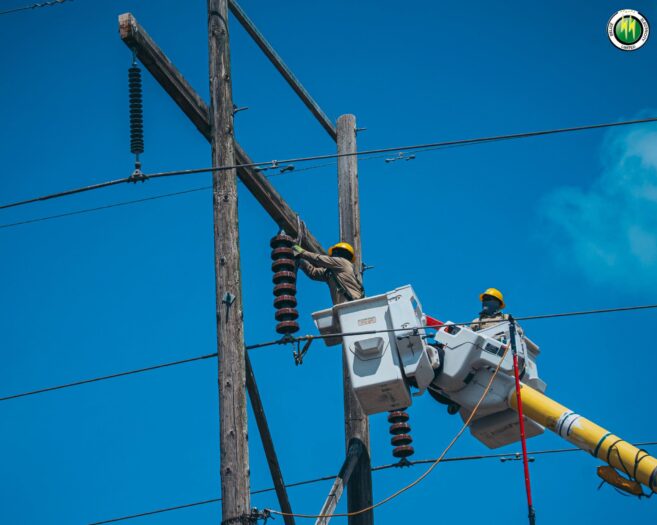
According to BEL, available in-country generation on August 25th was approximately 103 megawatts (MW), while evening demand reached 122MW. On August 31st, available generation stood at approximately 109MW, compared with demand of 117MW.
“On both occasions, the temporary loss of electricity supply from Mexico’s CFE, at a time when local generation was already below demand, resulted in a temporary loss of power to the National Grid,” BEL stated.
The company added that available in-country generation continues to be affected by seasonal conditions, scheduled maintenance and reduced output from some generating facilities.
BEL first warned in October 2025 of a potential electricity supply shortfall in 2026. Following the warning, Cabinet declared an emergency under the PUC (Request for Proposal) Regulations, 2024. This allowed BEL to procure temporary generation capacity, which is currently being installed at the Westlake Facility. The equipment is expected to begin operating by mid-September 2026 for an initial six-month period.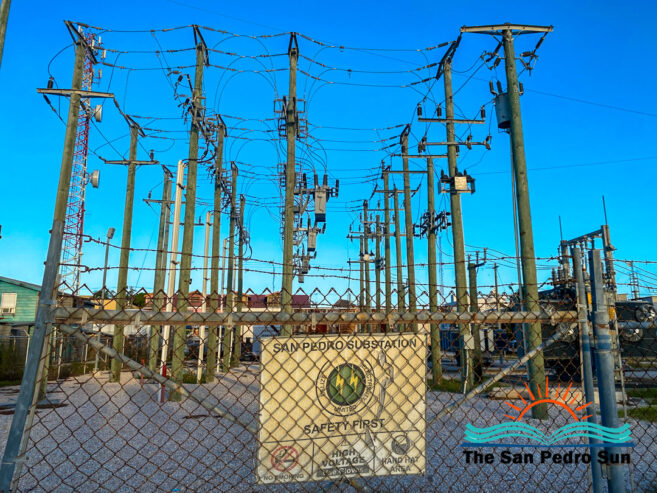
BEL hopes the additional generation will provide critical support to the National Grid, particularly during periods of high demand.
BEL Executive Chairman Ambassador Lynn Young told the media that Mexico can no longer supply all of Belize’s electricity needs. “CFE cannot supply all our power,” he said. “We only get 51 megawatts from them, and our peak is about 130MW. We need to have in-country generation to meet some of it.”

Young explained that BEL activates its gas turbines when additional power is required. However, if the available supply remains insufficient, the company must resort to load shedding.
He also acknowledged that no major new generation capacity had been added to the country’s electricity infrastructure in recent years. At the time, Young said, relying on CFE appeared to be a sound decision because the Mexican supplier offered affordable and reliable electricity. However, CFE is now facing its own challenges and has struggled to provide Belize with the required amount of power.
“We all make decisions based on the information we have at the time,” Young said. “I think we are in very unique, difficult circumstances right now.”
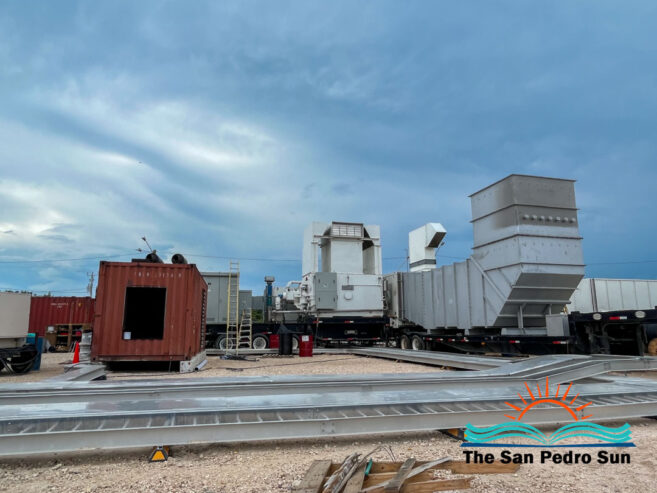
Large-scale solar and battery storage projects are among the long-term solutions being planned, but they are not expected to begin supplying electricity until 2029. BEL is therefore relying on temporary generating capacity, including rented diesel generators, to help bridge the gap between 2027 and the completion of the renewable-energy projects.
In the meantime, BEL warned that controlled power interruptions or load shedding may be required to stabilize the National Grid while the company works to strengthen available generation.
The proposed emergency procurement has drawn concerns from some Belizeans. In San Pedro Town, Ambergris Caye, residents said similar measures have been used before with limited results.
One resident noted that an almost identical emergency request was submitted to the PUC in November 2024, with temporary diesel units included in the response. Additional generating equipment was also installed south of Ambergris Caye to strengthen the island’s power supply. Despite those measures, San Pedro continues to experience outages, including an extended interruption on Sunday, August 30th.
The current plan includes installing another set of temporary diesel generators at the Westlake Facility for an initial six-month period. The rented units are reportedly expected to be removed in February 2027.
BEL warned that if the situation does not improve, the country may not have sufficient electricity to meet demand beginning next year. The most serious shortfall is projected for March 2027, while the outlook for 2028 is reportedly even more concerning.