

A series of socialization sessions to discuss the development of a National Seagrass Policy is currently taking place across Belize. One of the stakeholder engagement sessions was held in San Pedro Town, Ambergris Caye, on May 21st, where several suggestions were shared on how best to manage the country’s extensive seagrass meadows, which are critical for fisheries, coastal protection, and carbon sequestration. The new policy aims to curb damage caused by dredging, coastal construction, and pollution.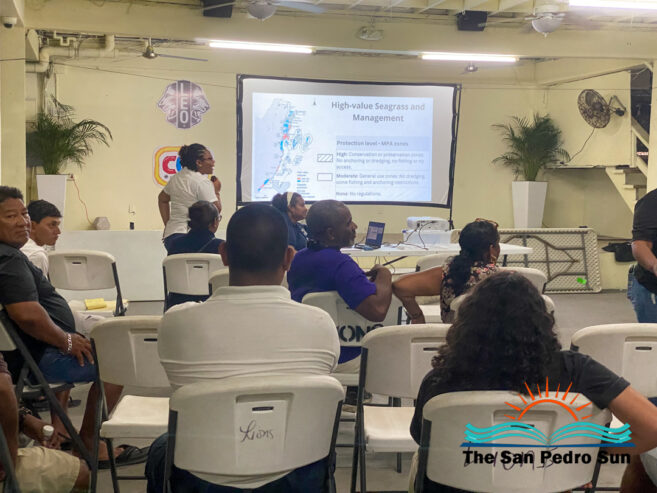
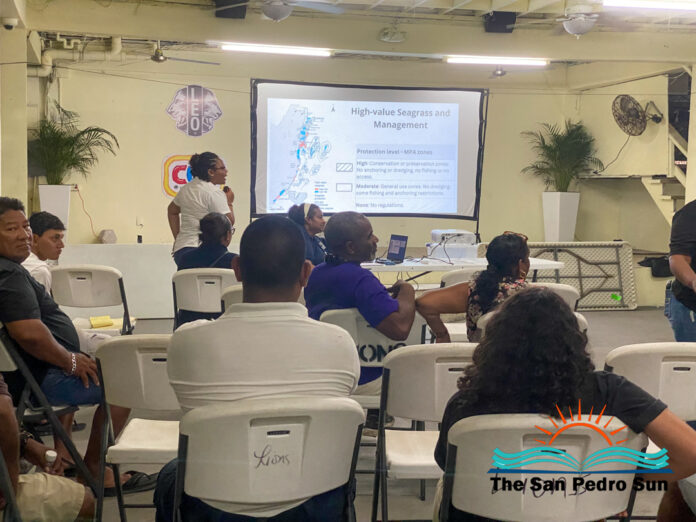
The presentations were led by the World Wildlife Fund-Mesoamerica (WWF), the Belize Fisheries Department, representatives from the Ministry of Blue Economy and Marine Conservation, and the Belize Coastal Zone Management Authority and Institute. The event, held at the San Pedro Lions Den, was attended by fishers, tourism stakeholders, and other concerned islanders.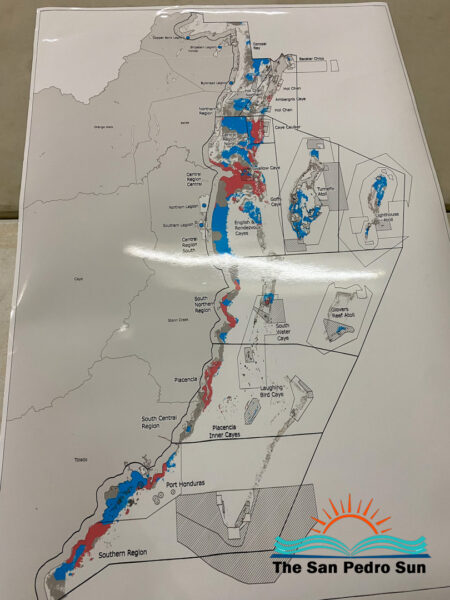
The presentations highlighted different areas across the Belizean coast where the program aims to safeguard and prioritize seagrass beds, including locations around Ambergris Caye. WWF’s Juliet Neal engaged the audience and, along with her colleagues, facilitated group discussions on the challenges affecting seagrass ecosystems and possible solutions.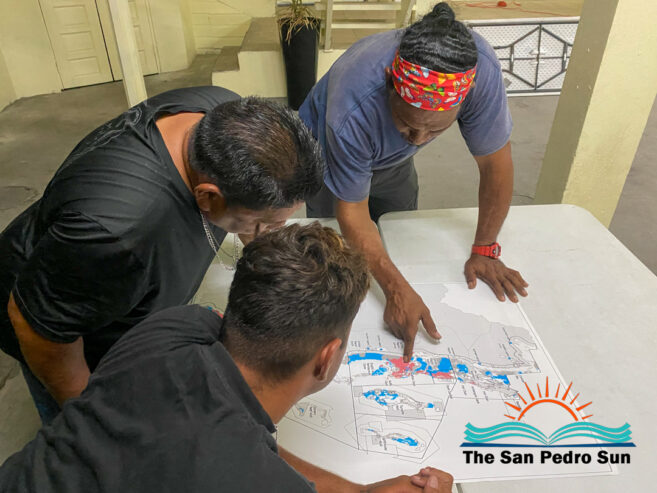
At the end of the group exercise, representatives from each group shared their concerns and recommendations. Most attendees agreed that the main stressors affecting seagrass include runoff, development, sargassum, and dredging. President of the San Pedro Tour Guide Association, Philip ‘Billy’ Leslie, shared that when it comes to development projects, the community must be included in the decision-making process to avoid environmental damage.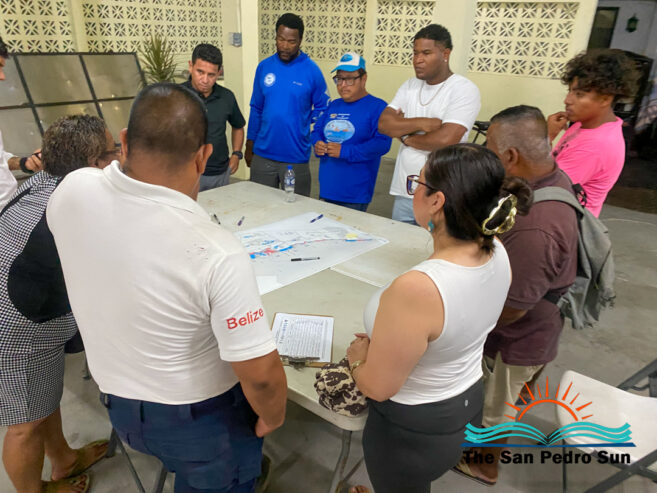
“There should be community consultations, especially if seagrass may be removed,” Leslie said. “More importance must be placed on marine ecosystems, including mangroves, seagrass, and inner lagoons. The Department of the Environment should consider this before issuing permits.”
Other presenters, including Everett Anderson, also noted that seagrass plays a vital role in the marine environment. Anderson explained that seagrass helps prevent environmental degradation and erosion, supports carbon sequestration, and improves water quality by minimizing sediment movement.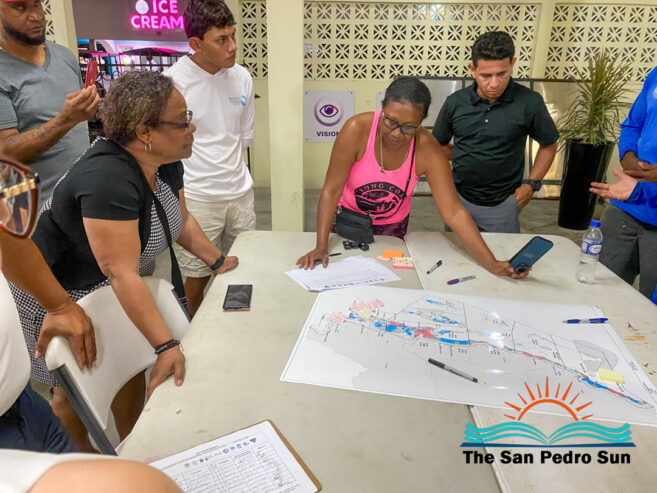
The session concluded with a unified recommendation that dredging activities should not be allowed during a northerly system, commonly known as a cold front. One attendee explained that such weather conditions can cause heavy sedimentation on the reef due to changes in wind and currents.
Those in attendance were commended for their input and thanked for participating in the important campaign to safeguard the ecosystem. Organizers said the public feedback gathered during the consultations will help shape a stronger, more effective policy for the sustainable management and protection of seagrass ecosystems.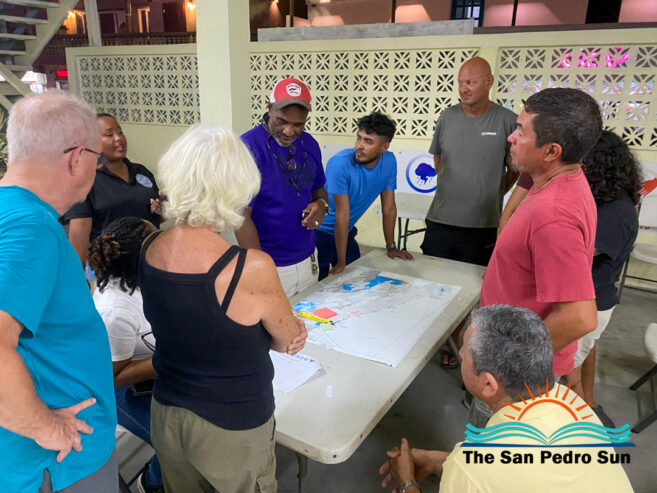
The initiative also aligns with climate action efforts. Organizers noted that Belize has incorporated blue carbon ecosystems, including seagrass, into its Nationally Determined Contributions under the Paris Agreement. The policy is expected to work alongside the Integrated Coastal Zone Management Plan to guide development and ensure the sustainable use of marine resources.
The socialization sessions will continue in Caye Caulker, Belize City, Corozal Town, Dangriga, Punta Gorda, and the mainland villages of Barranco, Independence, Placencia, and Hopkins.
Share
Related Articles
Read more