

Hol Chan Marine Reserve reported 75 sea turtle nests along San Pedro’s beaches in an October 5th update following surveys by its biologists and field workers. Of the nests recorded, 43 had already hatched, producing a total of 2,990 hatchlings. The monitoring covers loggerhead, green, and hawksbill turtles nesting along the island’s shoreline.
According to Hol Chan’s figures, loggerhead turtles accounted for 1,448 hatchlings from 22 nests, while green turtles produced 1,218 hatchlings from 16 nests. Hawksbill turtles accounted for 324 hatchlings from five nests. The results document nesting activity during the reserve’s ongoing monitoring and protection efforts.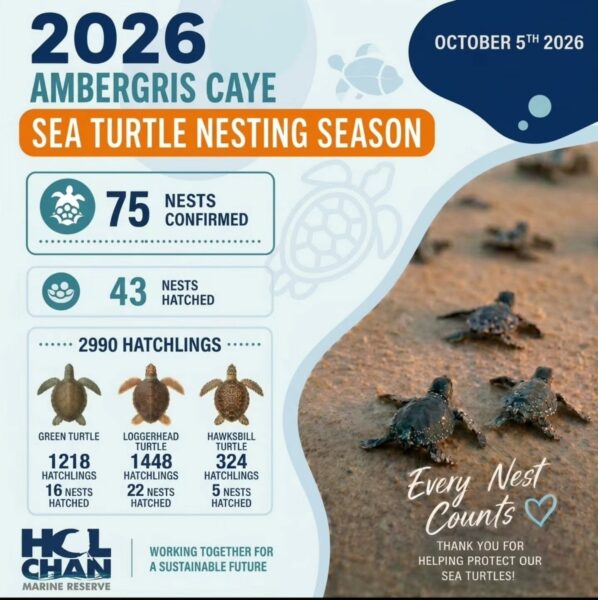
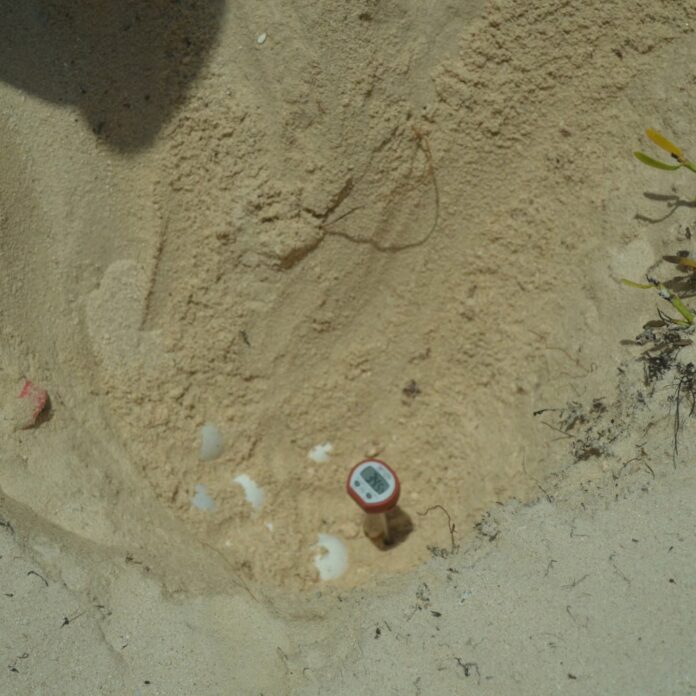
Hol Chan’s Research and Monitoring team continues to walk the beaches and check active nesting sites. Field workers record fresh turtle tracks, identify and protect nests, and monitor hatchlings as they emerge. These surveys help the team track nesting activity and identify shoreline threats.
The reserve highlighted several hazards that can affect nesting turtles and hatchlings, including artificial lighting, beach furniture, fishing nets, garbage, unleashed dogs, and vehicles. Its protection efforts aim to reduce these threats throughout the nesting season.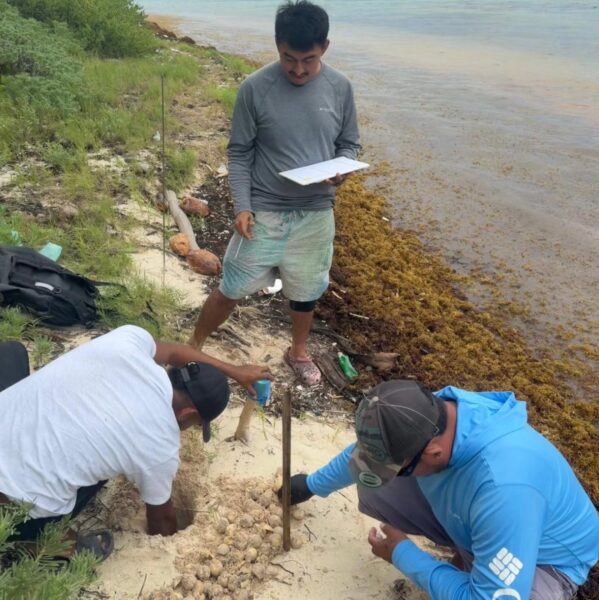
Hol Chan emphasized that every protected nest contributes to the conservation of loggerhead, green, and hawksbill sea turtles in Belize. The reserve is asking residents, businesses, and visitors to support these efforts by switching off or shielding beachside lights at night and clearing obstacles from the shoreline before sunset.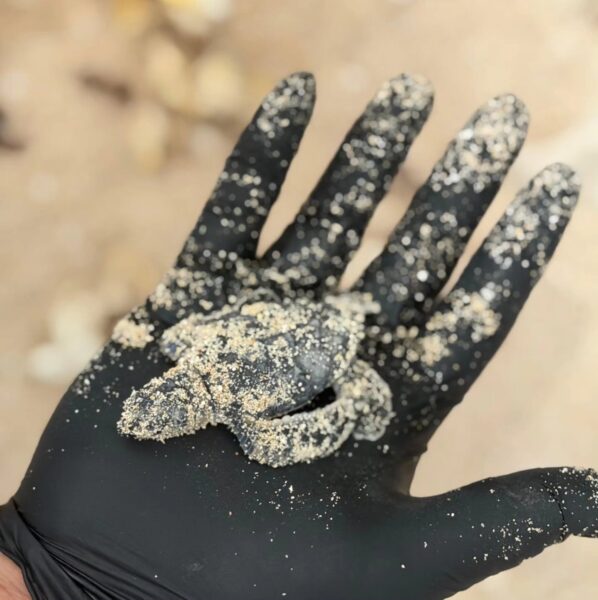
Dog owners are also asked to keep their animals leashed near nesting areas, while motorists should avoid driving vehicles or golf carts on nesting beaches. These precautions form part of the reserve’s appeal for public cooperation in protecting turtles and their nesting habitat.
Monitoring is expected to continue as the nesting season progresses. Anyone who sees a nesting turtle, fresh crawl marks, or disoriented hatchlings is asked to contact the Hol Chan office at 226-2247 or send a WhatsApp message to 614-6439. Continued community support will help protect the remaining nests and allow more hatchlings to reach the sea.
Share
Related Articles
Read more