
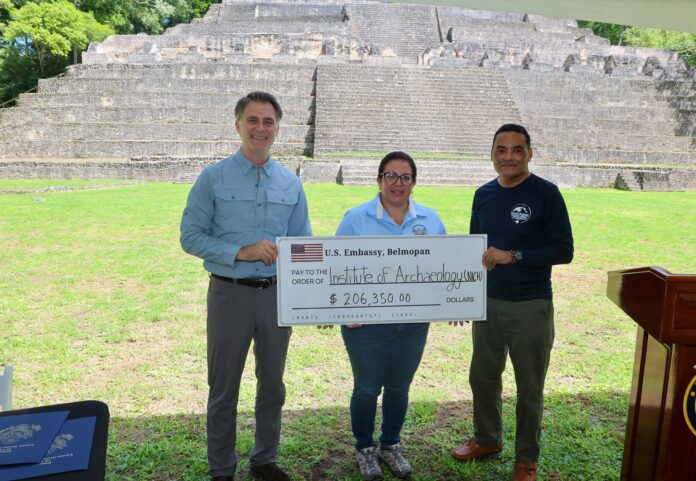

United States Ambassador to Belize Andre Bauer presented a US$206,350 grant on September 30th to support conservation work at the Caracol Archaeological Reserve. Awarded through the US Ambassadors Fund for Cultural Preservation, the funding is the largest US investment in archaeological conservation in Belize to date.
The grant will support the Archaeological Stabilization, Conservation and Community Engagement Project, which targets urgent work at Caracol’s Caana Complex and Plaza B ballcourt. The project also includes training, digital documentation, and community participation.
Located in the Cayo District within the Chiquibul Forest Reserve, Caracol was one of the most important political centers in the Maya Lowlands during the Classic Period. The ancient city covered approximately 77 square miles, an area larger than present-day Belize City.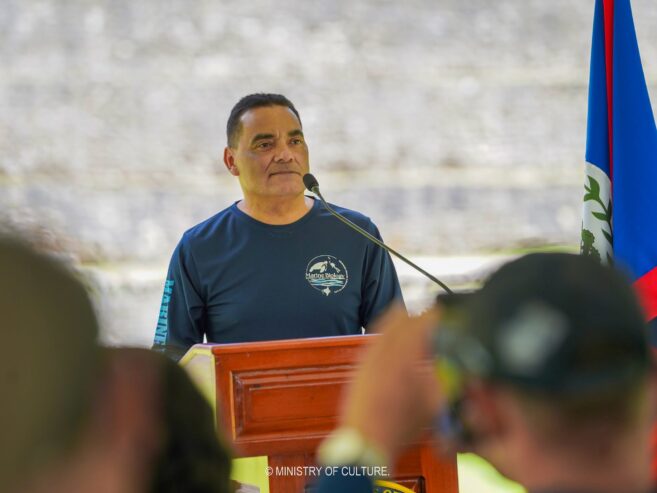
Minister responsible for Culture Francis Fonseca attended the presentation and emphasized that Caracol remains a living part of Belize’s heritage.
“Protecting Caracol means defending knowledge, creating opportunities, building skills, and strengthening the connection between Belizeans and the heritage that surrounds us,” Fonseca said.
He explained that decades of exposure to heavy rainfall and prolonged dry conditions have contributed to deteriorating plaster surfaces, water penetration, weakened masonry, and structural instability. The Caana Complex, whose name means “Sky Place,” rises approximately 43 meters and is among the site’s most prominent features.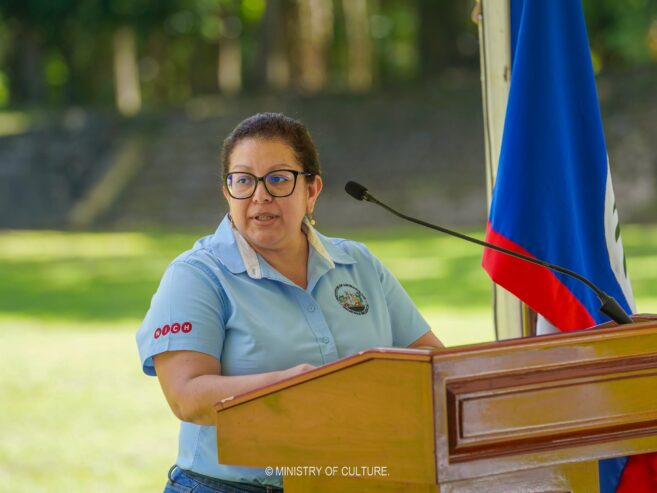
Director of the Institute of Archaeology, Dr. Melissa Badillo, said the grant would let conservation teams address vulnerable areas before deterioration worsens. She explained that archaeological conservation requires ongoing attention and that the targeted areas had been priorities over the past two years.
The funding comes as improved access along the Caracol road has supported increased visitation. According to the Institute of Archaeology, approximately 25,000 people visited the reserve in 2025.
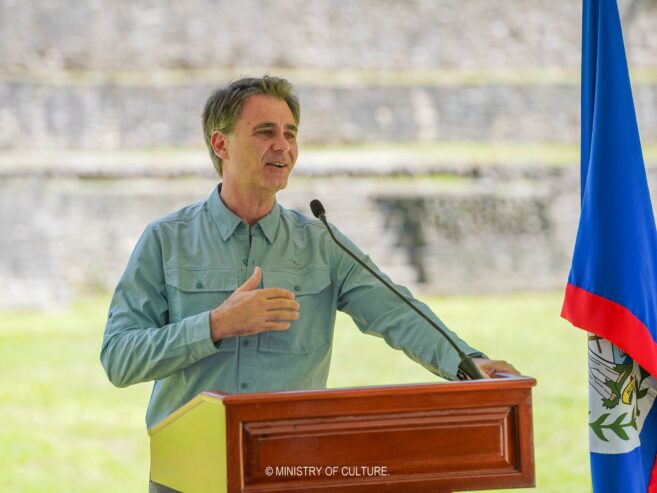
Ambassador Bauer welcomed the collaboration, saying it reflected a shared commitment to preserving cultural heritage and strengthening relations between Belize and the United States.
“This is a collaboration of what we think is important, and it furthers our friendship. It shows how closely we are aligned,” Bauer said.
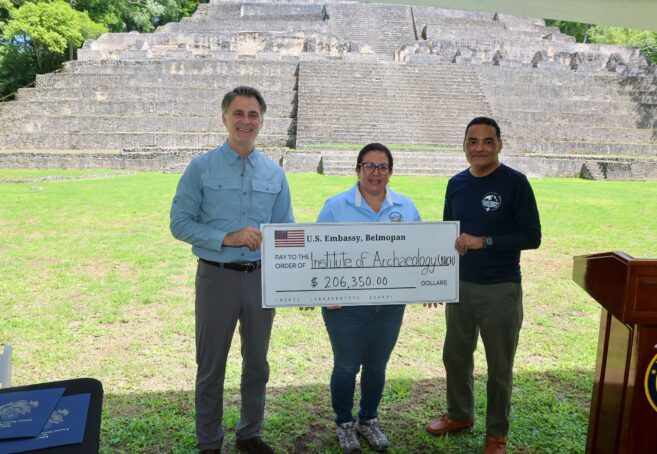
He also highlighted similarities between Belize and his home state, where tourism and agriculture are important industries. Following his visit, Bauer said he understood why Caracol is described as a jewel.
Security was also addressed during the visit, given the site’s proximity to the Guatemalan border. Fonseca said an established security presence helps protect the reserve from damage associated with unauthorized cross-border activity.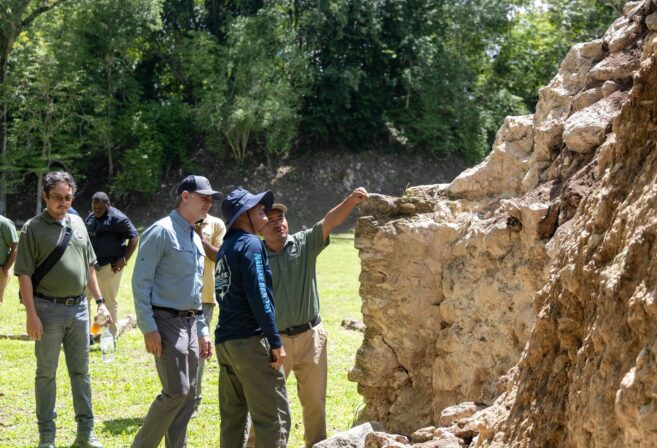
He added that the ministry continues to review security arrangements and works closely with the Belize Defense Force, the Police Department, and Friends for Conservation and Development rangers to protect the area.
The project combines conservation work with training and community engagement to help preserve Caracol’s archaeological structures and strengthen Belizeans’ connection to the site.