

On April 20, 2026, the World Bank’s Board of Executive Directors approved the Belize Early Childhood Development and Female Empowerment Project in Washington, D.C. The initiative is funded by a US$23.5 million credit from the International Development Association and a US$1.28 million grant from the Early Learning Partnership. It aims to address gaps in preschool access and expand employment opportunities for women across Belize.
The project addresses low preschool enrollment, with only 39% of three- and four-year-olds attending in the 2023–2024 academic year, and limited childcare options, with just 24 registered daycare centers nationwide. Plans include constructing 60 new preschool classrooms within primary schools in high-demand areas without existing facilities and upgrading or rehabilitating 30 classrooms. Additionally, the project will establish or improve 80 early childhood development centers through partnerships with communities, organizations, and private providers.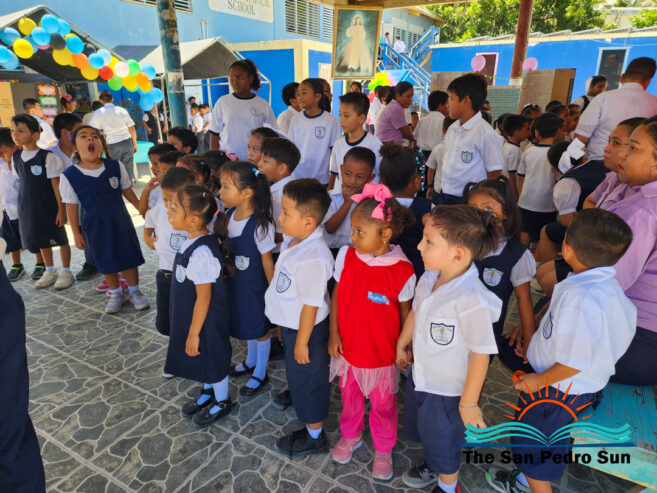
These efforts are expected to create jobs in early education, reduce childcare barriers, and increase women’s participation in the labor force, which currently stands at 43.6%, below the average for Latin America and the Caribbean.
Limited access to affordable childcare continues to impact women significantly. According to the 2022 census, 65% of women in households with children aged zero to four left employment to care for family needs, more than double the rate in households without young children. The trend is even more pronounced in rural and Maya communities. Research on early childhood education also highlights long-term benefits, including improved school readiness and lower dropout rates.
In San Pedro, the need for additional educational infrastructure remains a concern. A government school for the island was first proposed in 2014 as part of a nationwide plan to build 35 schools, funded by the Caribbean Development Bank. Although approximately $1.2 million was allocated for the project, the funds did not cover land acquisition, and the school has yet to materialize. At present, there is no government-operated school on the island, and all institutions are private or grant-aided.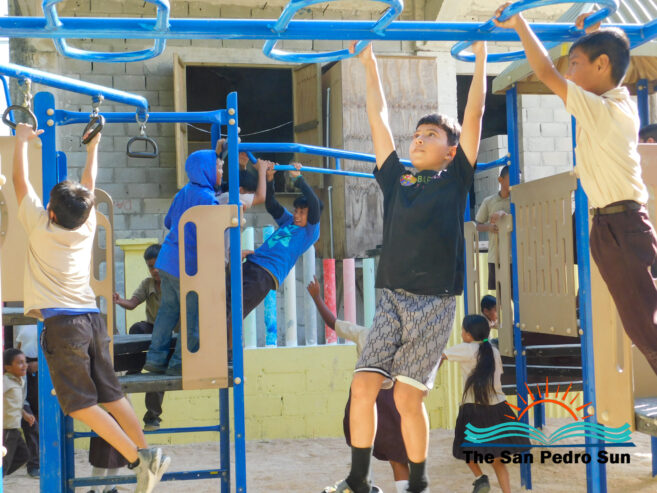
World Bank Director for the Caribbean, Lilia Burunciuc, emphasized the broader impact of the initiative. “Access to quality education and care is as much an economic issue as it is an educational one. When caregivers can trust that their children are in safe, nurturing environments, they are free to participate fully in the economy and society,” she said, noting that the project invests in both Belize’s youngest citizens and the women who care for them.
The initiative is expected to increase preschool enrollment and contribute to a more skilled workforce over time, potentially boosting female employment and productivity. Implementation is anticipated to begin soon, with success depending largely on strong community partnerships.
Share
Related Articles
Read more