

The Sargassum season this year was one of the worst on record, with areas such as San Pedro, Ambergris Caye, and Caye Caulker severely affected by massive amounts of the brown seaweed washing onto shorelines. Although the influx has significantly reduced for now, the next season is expected to begin early in 2026. To better prepare for the recurring phenomenon, the National Sargassum Task Force has acquired new monitoring and management equipment. On November 7th, the task force received a drone, a laptop, and a sophisticated Sargassum forecasting tool, donated through the SICA Azul Project, an initiative promoting clean communities, in collaboration with the Republic of China (Taiwan).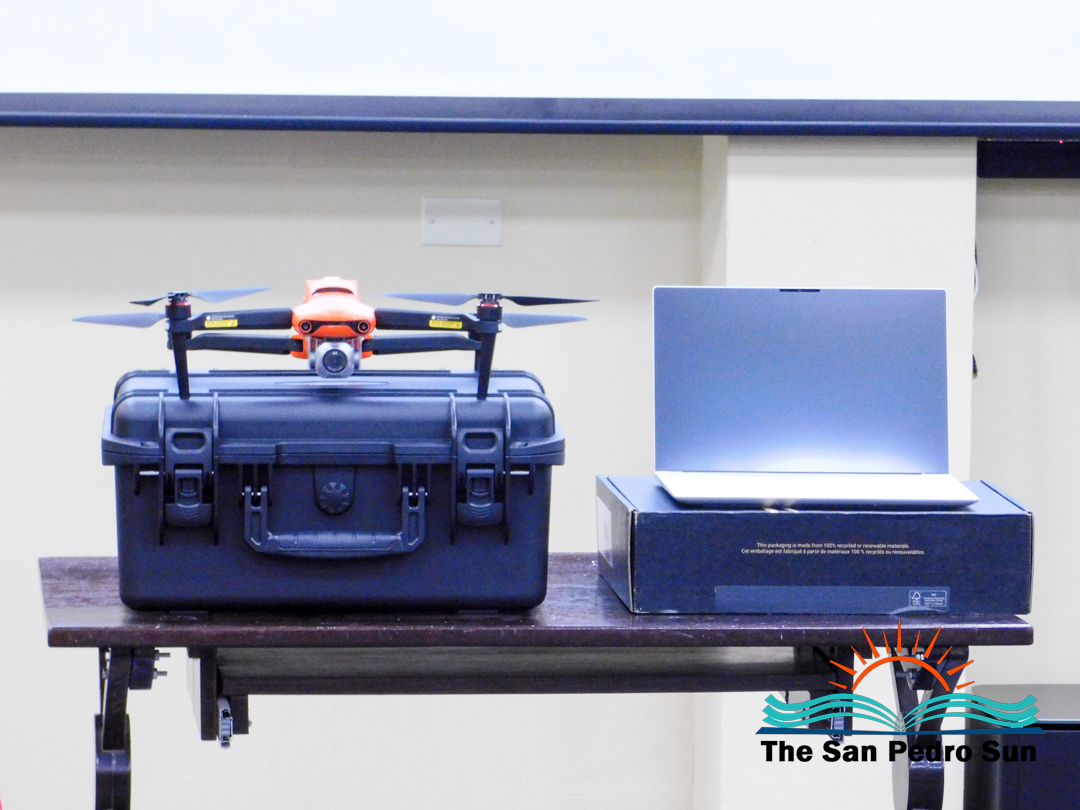
An official handing-over ceremony was held at the Ministry of Sustainable Development in Belmopan. The equipment will be used by the Department of the Environment (DOE), the Sargassum Task Force, and the Ministry of Blue Economy. DOE’s Chief Environmental Officer, Anthony Mai, said that the upgrade will enhance the country’s capacity to monitor and better forecast Sargassum mats before they reach Belizean shores. “We will also have access to an advanced forecasting software known as SAM. This weather system is designed to track Sargassum movement across the region and within our territorial waters,” Mai explained.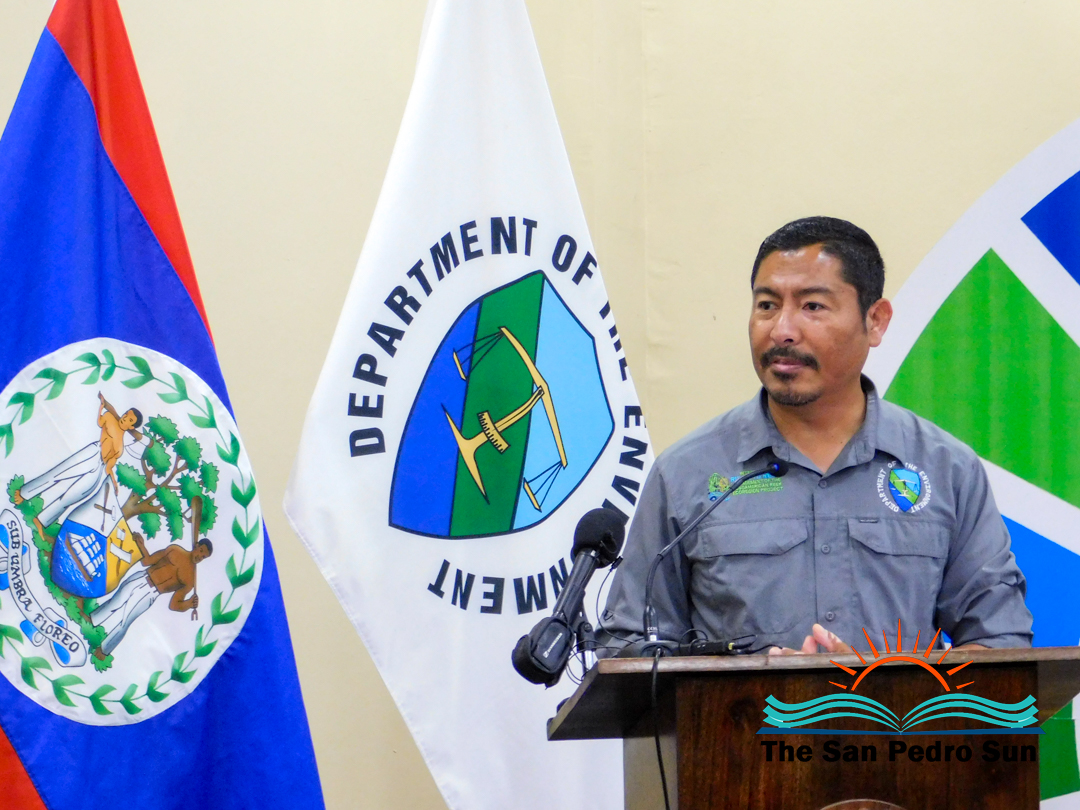
Deputy Chief Environmental Officer Edgar Ek noted that although the equipment arrived after the height of the 2024–2025 Sargassum season, the agencies are now better prepared for upcoming events. “The information coming to us is that we should start to expect Sargassum arriving in the country as early as January, when previously the influx was expected around March,” Ek said. He added that tackling this issue, which affects coastal communities, tourism, and fisheries, required coordinated planning. “DOE was the lead institution developing the project concept through the Central American Commission of Environment and Development. We developed the project components and shared them with the Ministry of Tourism and the Ministry of the Blue Economy and Marine Conservation.” Ek said these proposals were submitted to the Commission, which approved the project and secured funding from Taiwan.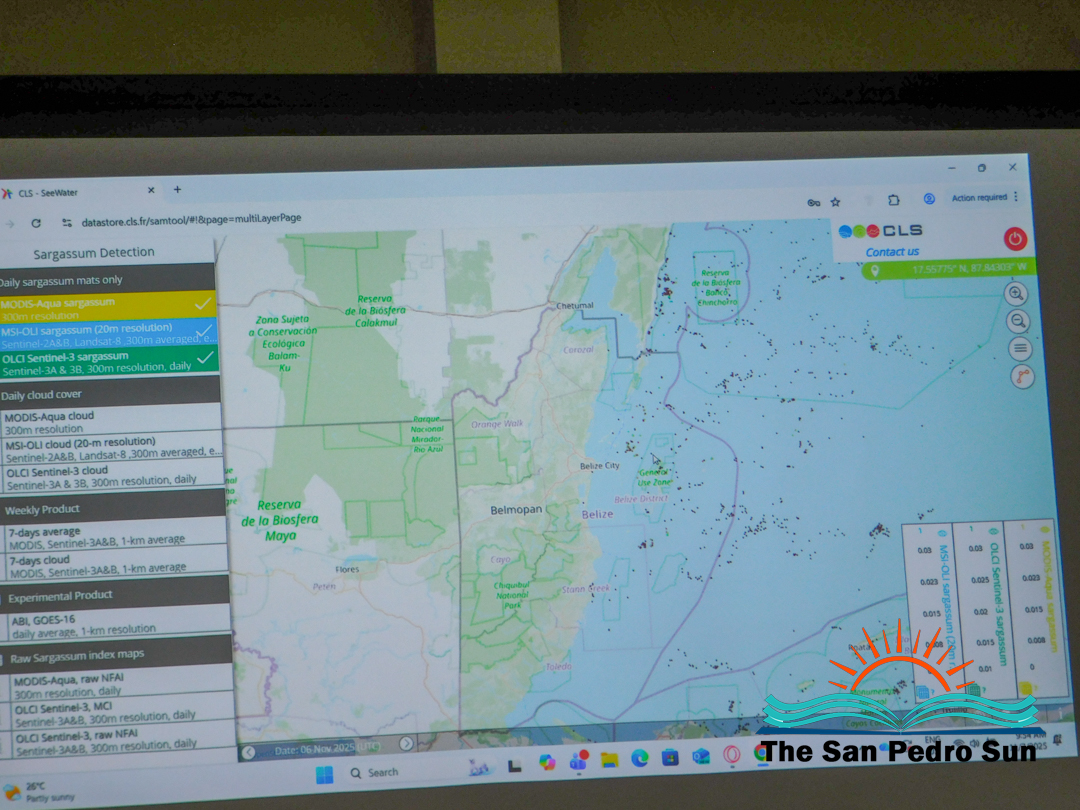
Chief Meteorologist Officer Ronald Gordon outlined how the digital tool will enhance early warning capabilities. “It is a modelling tool used to detect and predict the motion of Sargassum,” he said. “We issue Sargassum forecasts, and we are part of the task force, which includes the Met Service, the Fisheries Department, the Department of the Environment, the Ministry of Tourism, and others. What this tool will help us do is be more precise in locating Sargassum and predicting where it will impact the coastline.”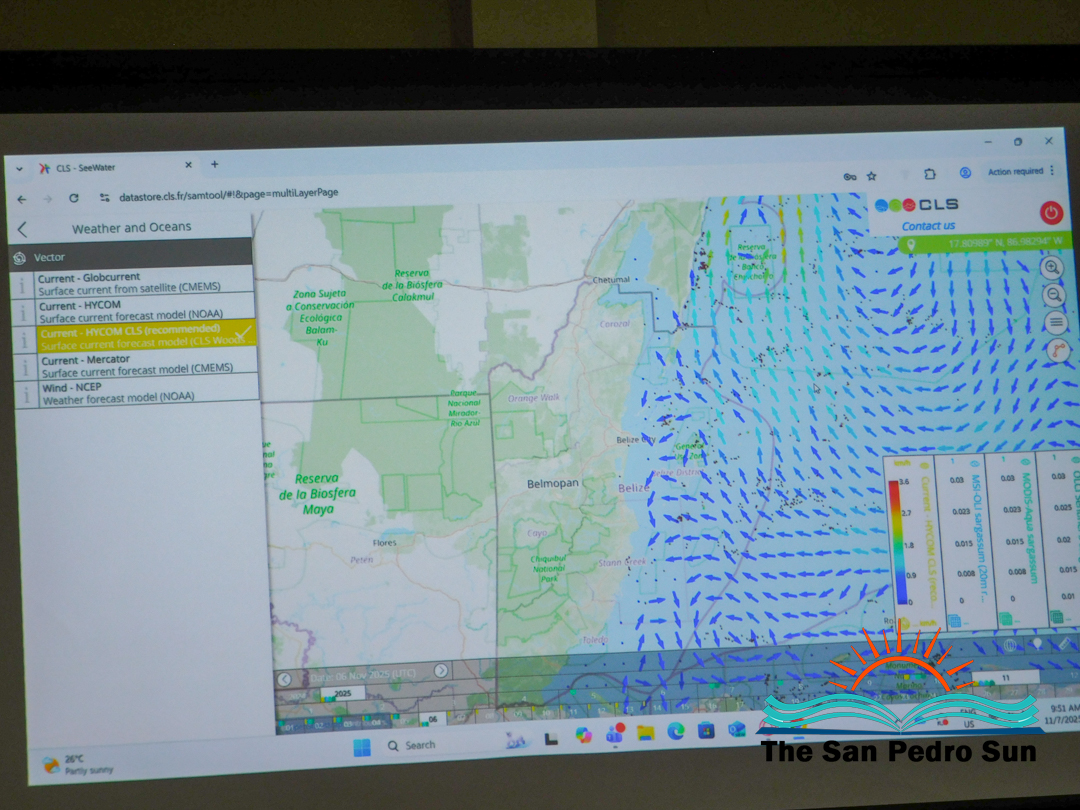
Gordon explained that the model covers the entire country, providing a view from north to south. “It uses satellite imagery to detect where Sargassum is, and using computer models of ocean currents, it gives us an idea of where the Sargassum will drift, as well as the timing of when these mats will impact specific areas,” he added. The new monitoring tool will also help determine the size of the mats and provide clearer information that can assist coastal communities and authorities in preparing for potential inundations.
This year’s Sargassum season saw large mats of the algae affecting several Caribbean countries, the Mexican Riviera Maya, and Belize’s coast. According to international monitoring records, by July, more than 37.5 million metric tons of Sargassum had accumulated across the Atlantic region, an estimated 75% increase compared to the previous record of 22 million tons in June 2022.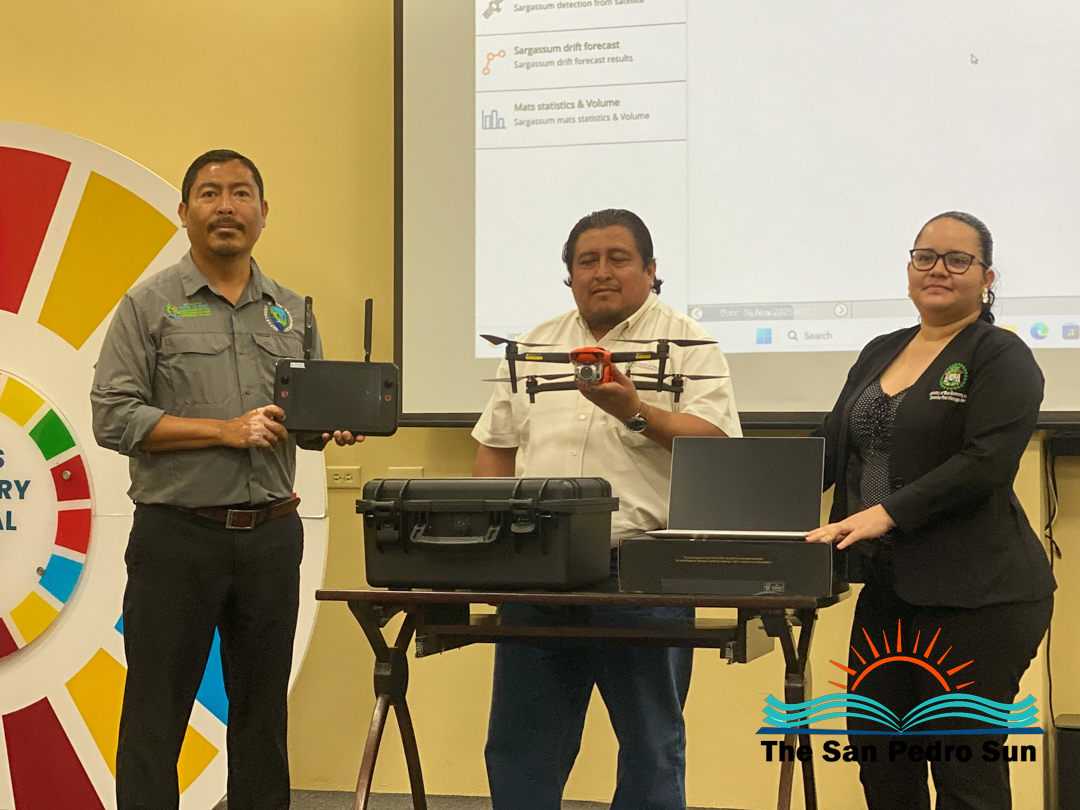
The total value of the donated equipment is US$190,000, targeting the management and forecasting of Sargassum. With this assistance, the DOE and other government agencies involved in the task force aim to enhance preparedness and more effectively manage a growing environmental challenge that worsens each year due to climate change and human activities, such as industrial runoff into oceans and seas.
Share
Related Articles
Read more