

After a video shared on social media appeared to show tourists chasing and petting a jaguar cub in the Mountain Pine Ridge Forest Reserve in western Belize, the Forest Department has launched an investigation and is working to locate those involved. The incident occurred over the weekend of July 11th. Although the two male tourists have reportedly been identified, authorities have not yet located them.
The Forest Department is reminding the public that wildlife should always be observed from a safe distance and that people should never touch, feed, or chase wild animals, including sea turtles found around the cayes.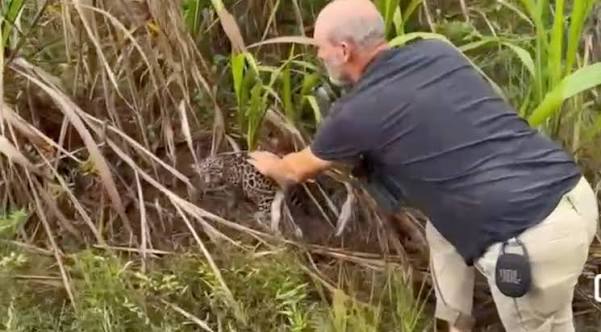
The viral video reportedly showed a group of individuals approaching a female jaguar and her cub. One individual was seen following the cub, filming and taking photographs with a cellular phone, before eventually touching the animal. The cub appeared visibly stressed and exhausted, while its mother had reportedly retreated into nearby vegetation.
In a statement issued on July 15th, the Forest Department emphasized that, beyond the legal implications, approaching wildlife can be extremely dangerous. “It could easily have resulted in serious injury or loss of life. Female jaguars are highly protective of their young and may respond aggressively when they perceive a threat. Wildlife should never be approached, touched, handled, cornered, or separated from their young under any circumstances,” the department stated.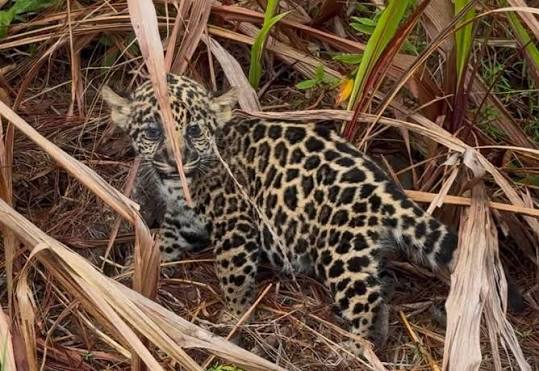
The department added that Belize’s wildlife forms part of the country’s natural heritage and that protecting it requires respect for the law, responsible behavior, and accountability when those laws are broken. “The Forest Department takes all wildlife offenses seriously and is committed to enforcing the provisions of the Wildlife Protection Act for present and future generations.”
If the tourists are located and prosecuted, the current penalty for harassing or chasing a jaguar cub is BZ$500. Minister of Sustainable Development Orlando Habet has said the government is working to increase the maximum fine.
While jaguars are not usually found on Ambergris Caye, wildlife encounters are common in coastal communities such as San Pedro, and many of the same safety principles apply. Residents and visitors may encounter saltwater crocodiles, which should never be approached or fed. Authorities have previously warned that feeding crocodiles causes them to associate humans with food, increasing the risk of dangerous encounters.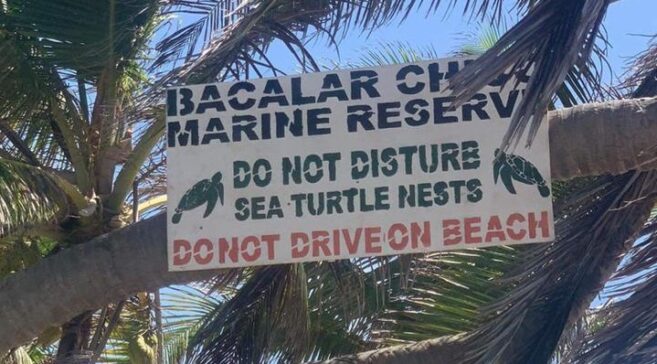
Another protected species commonly seen on Ambergris Caye is the sea turtle. Hatchlings can often be observed along the island’s northern beaches between late April and November. If members of the public encounter hatchlings, they should avoid handling or interfering with them and instead allow the turtles to continue their natural journey to the sea.
Under the Fisheries Resources Act, No. 7 of 2020, it is illegal to handle or possess sea turtles, their eggs, nests, or hatchlings without written permission from the Fisheries Administrator. The law also prohibits disturbing turtle nests or removing turtles found on land.
Belize is home to four species of sea turtles: the hawksbill, loggerhead, green turtle, and leatherback, all of which are protected. Anyone who discovers a sea turtle nest or hatchlings on Ambergris Caye is encouraged to contact the Hol Chan Marine Reserve at 226-2247. Crocodile sightings or incidents should be reported to ACES Wildlife Rescue at 623-7920 or by email at info@acesbelize.org.
For additional information on wildlife conservation and how to safely coexist with wildlife, residents may contact the Forest Department at 822-1524 or by email at Wildlife.manager@forest.gov.bz.
Share
Related Articles
Read more