

The Government of Belize has approved an approximately $5.2 million emergency program to address a growing mealybug infestation affecting sugarcane production and farmers’ livelihoods in northern Belize. The initiative was announced on September 7th as the government and industry partners moved to protect the sugar industry from further losses.
The program will finance pesticide treatments to reduce mealybug populations and protect cane productivity. The government will contribute $2.56 million, representing 50% of the cost, while participating cane farmers will finance the remaining $2.56 million. The farmers’ share will be recovered through agreed deductions from cane deliveries over four crop cycles.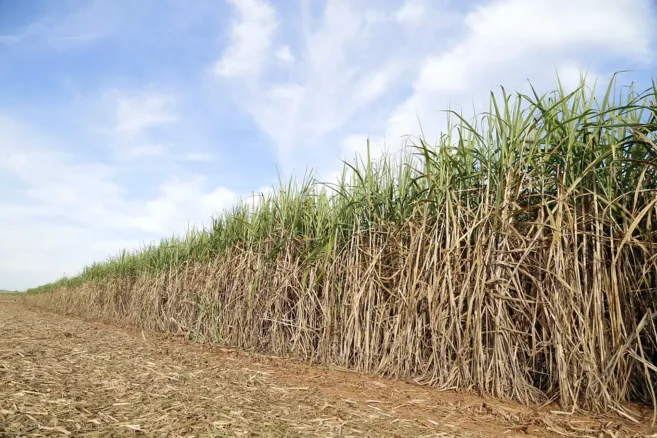
The Sugar Industry Research and Development Institute will coordinate the program in collaboration with the four cane farmers’ associations and Belize Sugar Industries Limited/ASR Group. It will cover approximately 50,000 acres, including cultivated fields and areas scheduled for harvesting or replanting. Each targeted field will receive at least two pesticide applications, with treatments expected to be completed within two months.
The intervention follows declining sugarcane production and losses linked to mealybugs and Fusarium disease. The two threats reportedly contributed to more than $12 million in production losses. The infestation has affected the northern sugar belt, where sugarcane production supports thousands of farming families and contributes significantly to the national economy.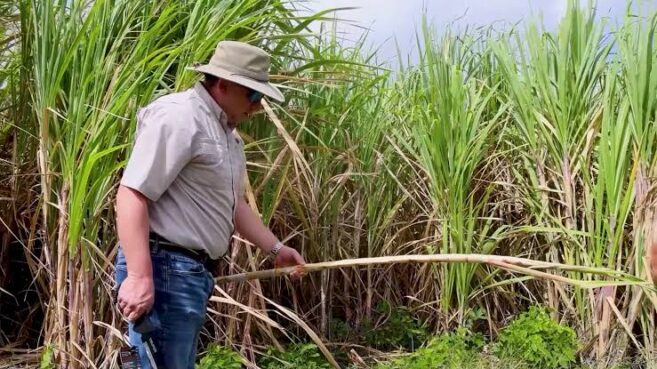
On September 3rd, Carlos Pol, Chief Executive Officer of the Ministry of Economic Transformation, explained the urgency of the intervention. He said sugarcane and sugar production declined last year, warning that the situation could worsen if it is not addressed promptly.
“If we don’t address it, we will expect a similar situation or worse,” Pol said. He added that the government had approved $5.2 million to respond to the urgent situation.
The intervention is expected to protect Belize’s sugarcane industry and assist farmers affected by the infestation. Its success will depend on timely treatments, close cooperation among industry partners, and continued monitoring of the mealybug threat. While the emergency measures aim to limit further losses, longer-term efforts will focus on improved pest control, greater climate resilience, and developing stronger cane varieties.
Share
Related Articles
Read more