
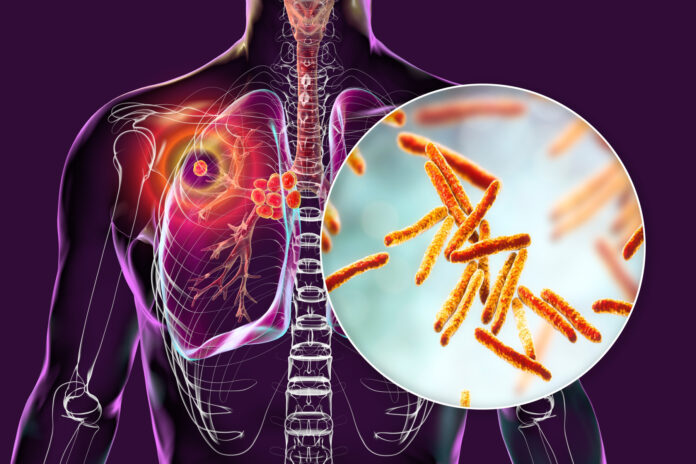
On Wednesday, February 18th, the Ministry of Health and Wellness (MOHW) announced two confirmed cases of tuberculosis (TB) in students aged 10 and 16 in Belize City. The MOHW said the diagnoses were confirmed on February 12th through clinical and laboratory testing. Later that same day, the Government of Belize, via its weekly Cabinet briefing, confirmed an additional case. All patients had undergone treatment and were responding well.
While infections were detected near the Cayes, the public is encouraged not to be alarmed about TB, as a large portion of the population is considered vaccinated against the disease. The MOHW provides free screening, diagnostic services, and TB treatment at all public health facilities nationwide, including on Ambergris Caye.
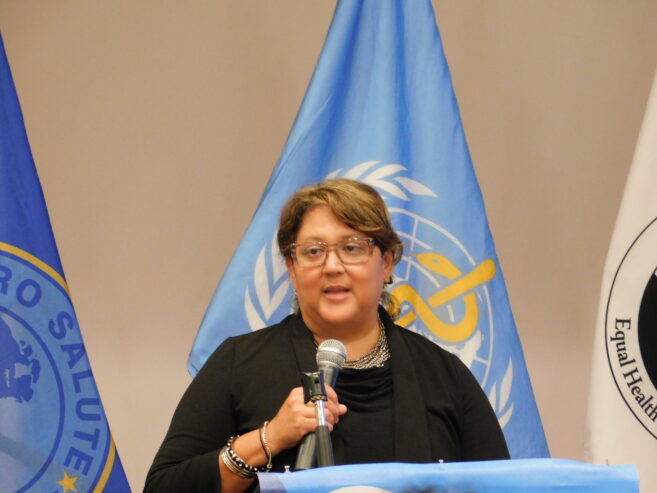
Director of Public Health and Wellness Dr. Melissa Diaz-Musa said TB remains an important health issue and that each year the country sees a handful of cases. “We want the public to know that although the disease is infectious, we do have a vaccine that is given in the first week of birth,” she said. “We always encourage people to get tested as well, because sometimes people do not show symptoms.” Dr. Diaz-Musa explained that while TB is infectious, after two weeks of treatment, a patient is generally considered non-infectious.
Tuberculosis is a bacterial infection that primarily affects the lungs and can be transmitted through the air when a person with active pulmonary TB coughs, speaks, or sneezes. According to the MOHW, transmission usually occurs after prolonged, close contact with an infectious individual. Common symptoms of tuberculosis include a persistent cough lasting more than two weeks, weight loss, night sweats, fever, fatigue, and weakness.
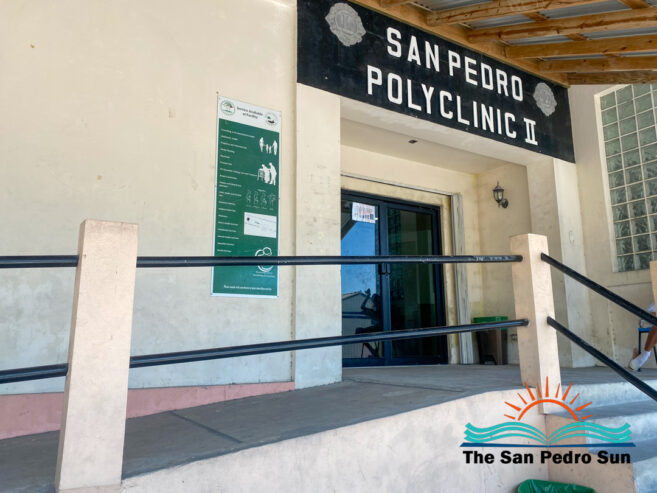
Residents in the Cayes are reminded that other respiratory viral illnesses currently circulating may also cause symptoms such as cough and fever. Individuals experiencing persistent or concerning symptoms are encouraged to seek medical evaluation. In San Pedro, anyone feeling ill can visit the Dr. Otto Rodriguez San Pedro Polyclinic II for appropriate assessment and testing. The public is also reminded to practice good respiratory hygiene, including covering coughs and sneezes, washing hands frequently, staying home when ill, and avoiding close contact with elderly or immunocompromised individuals if experiencing symptoms.

 announced two confirmed cases of tuberculosis (TB) in students.)