

Belize’s Ministry of Health and Wellness (MoHW) is urging the public to remain vigilant as the country monitors two growing health concerns: a rapidly expanding measles outbreak across the Americas and an increase in mosquito-borne diseases in the region. Health officials are reminding residents that prevention, early action, and community cooperation remain critical to protecting public health.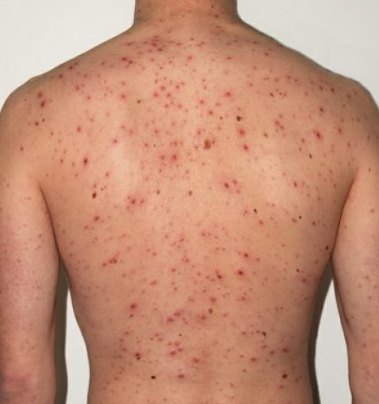
On April 8th, the MoHW issued an advisory warning Belizeans about the worsening measles outbreak in the Americas. Just three months into 2026, the region has already recorded 75% of the total measles cases reported in all of 2025. Most of the confirmed cases, along with 11 deaths, have occurred in neighboring Guatemala and Mexico, raising concerns about the potential for imported cases into Belize.
Health officials stressed that measles is a highly contagious viral disease that can cause serious complications, especially in young children and unvaccinated individuals. Symptoms usually appear seven to 21 days after exposure and begin with fever, runny nose, red eyes, and a rash that starts at the hairline and spreads to the chest, back, limbs, and the rest of the body. Infected persons can spread the virus from four days before the rash appears to four days afterward.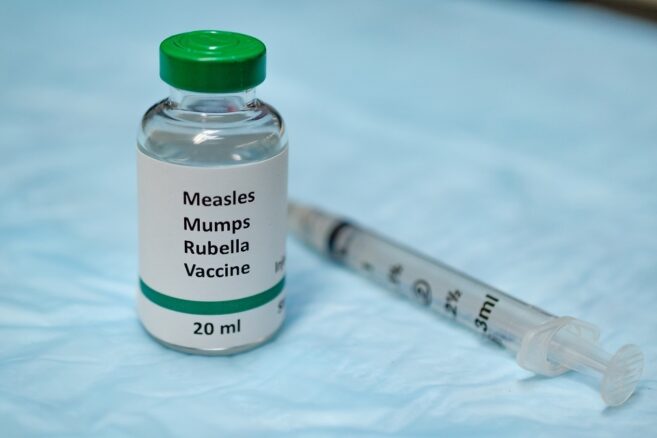
The Ministry emphasized that measles is preventable through vaccination. Belize recorded an 87.9% first-dose coverage rate for the measles, mumps, and rubella (MMR-1) vaccine in 2025. While this reflects strong national coverage, health officials warned that immunity gaps remain, noting that up to 90% of unvaccinated persons exposed to measles can become infected. Unvaccinated residents are encouraged to visit the nearest health facility for more information or to receive the vaccine. Unvaccinated travelers are also advised to receive a vaccination at least two weeks before travel.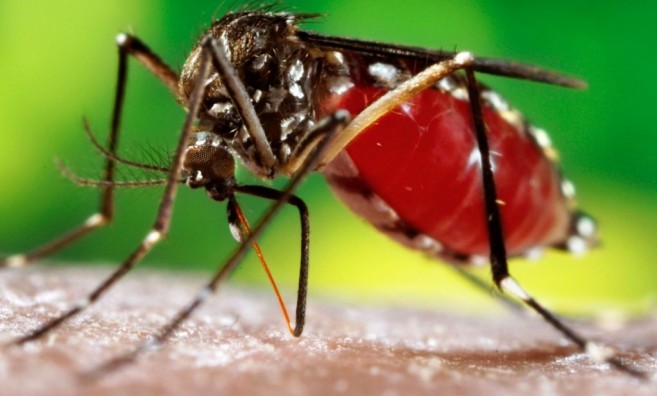
At the same time, Belize continues to face seasonal challenges from mosquito-borne illnesses such as Dengue, Zika, Chikungunya, and Malaria. Recent regional trends and climate conditions, including increased rainfall and standing water, have contributed to higher mosquito activity, prompting health officials to encourage continued prevention measures. These include eliminating stagnant water around homes, using mosquito repellents, wearing protective clothing, and seeking medical attention if symptoms develop.
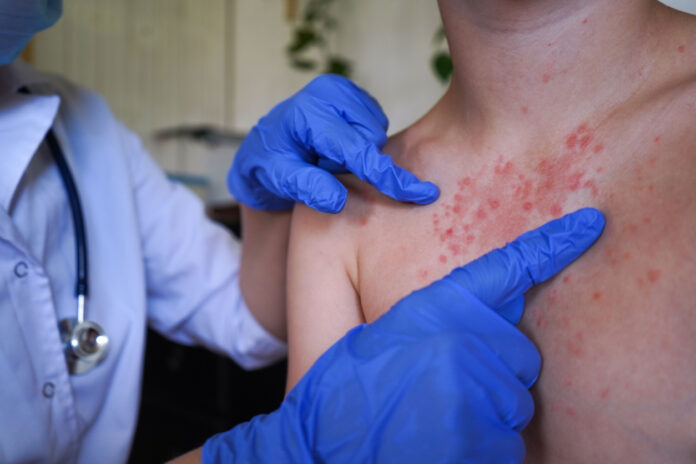
The Ministry is reminding the public that safeguarding health requires both individual responsibility and community action. Persons experiencing symptoms such as fever and rash are urged to seek immediate medical attention at the nearest health facility or call the Ministry’s hotline at 0-800-MOH-CARE (0-800-664-2273). Officials said that by staying informed, up to date with vaccinations, and proactive in preventing mosquito breeding, Belize can reduce the risk of outbreaks and protect the health of its communities.
Share
Read more