
 is strengthening marine protection in Southern Marine Reserves.)
The Southern Environmental Association (SEA), a Belizean conservation organization, is strengthening marine protection in southern Belize through new technology and community-led initiatives. Under the leadership of Executive Director Elizabeth Avila Muschamp, SEA co-manages the Gladden Spit and Silk Cayes Marine Reserve and Laughing Bird Caye National Park, a UNESCO World Heritage Site. Recent funding of BZ$750,000 from the Belize Fund for a Sustainable Future has supported upgrades, including solar-powered ranger stations, long-range surveillance cameras, an underwater drone, mangrove restoration efforts, and expanded community watchdog groups.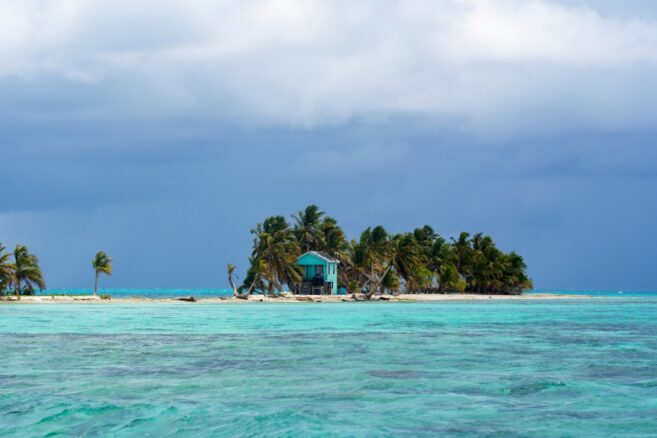
SEA’s approach blends modern enforcement tools with local participation to protect marine ecosystems while supporting livelihoods. Solar systems installed at remote ranger stations have improved patrol efficiency, while two long-range night-vision surveillance cameras provide 360-degree coverage and can monitor activity up to 15 kilometers away. These tools are intended to help detect illegal fishing, particularly in no-take zones such as Laughing Bird Caye. SEA has also introduced an underwater drone to help survey sensitive reef areas and gather data while reducing risks for divers.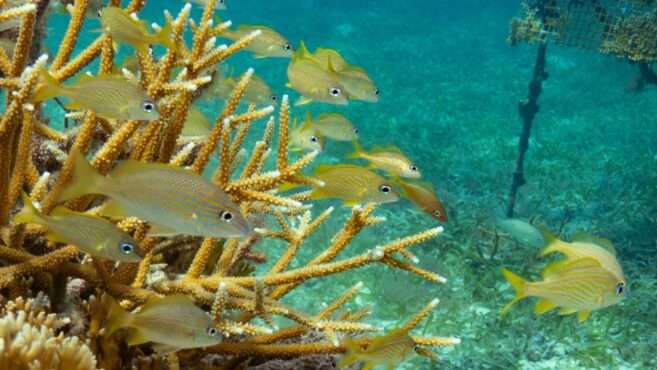
For more than two decades, SEA has monitored spawning aggregation sites at Gladden Spit. The organization uses scientific methods, including fish otolith analysis, to assess fish health and support informed conservation decisions. SEA has also expanded mangrove restoration projects in Seine Bight, Independence, and Hopkins. Community members involved in these initiatives have formed watchdog groups that now monitor not only mangroves, but also erosion, dredging, and wildlife activity.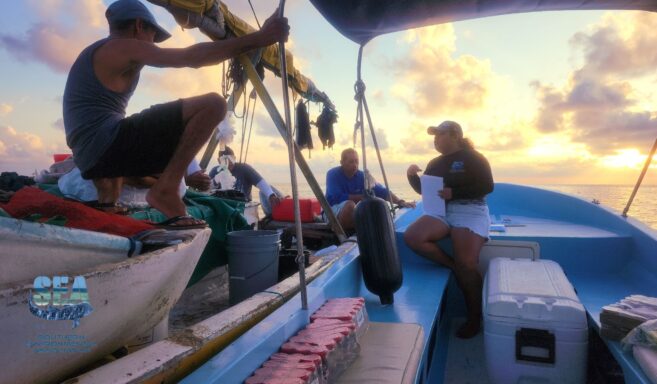
Muschamp said an encounter with a whale shark near Silk Caye in 2008 inspired her commitment to marine conservation. Though she is originally from Belmopan, she said the experience sparked her dedication to Belize’s marine resources. SEA has co-managed the reserves for more than a decade in collaboration with government agencies, with a focus on enforcement, research, and community engagement.
Muschamp said early consultations with fishers were challenging because some communities feared that conservation efforts would limit their livelihoods. Over time, SEA shifted toward open dialogue and partnership-building, encouraging communities to see conservation as a shared responsibility rather than an external imposition.
“We were able to procure two long-range, night-vision surveillance cameras with 360-degree coverage,” Muschamp said. “These cameras give us a 15-kilometer view, allowing us to detect illegal activities from miles away.”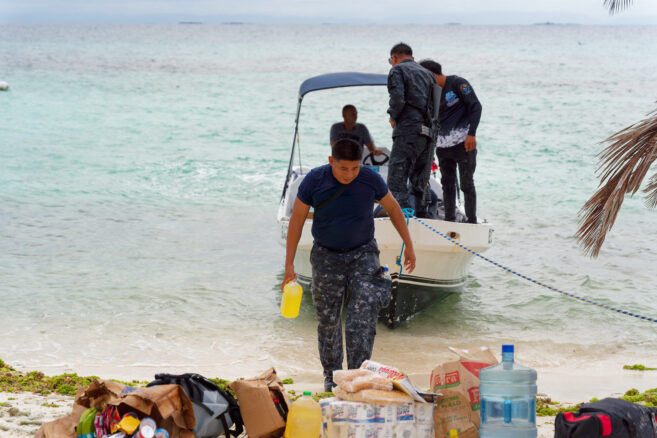
On community ownership of the watchdog program, she added, “The community changed the name from ‘mangrove watchdog’ to just ‘watchdog’… They’ve taken ownership.”
She also emphasized the importance of collaboration. “Give them their voice, give them their space… it wasn’t ‘us versus them,’ but ‘us trying to find solutions together,’” Muschamp said.
As part of its outreach efforts, SEA also launched a small-business challenge funded by the grant. The initiative received 59 proposals, and the winning project, a butterfly farm in Monkey River, received BZ$10,000. Organizers said the project is committed to using part of its profits to support coral restoration efforts.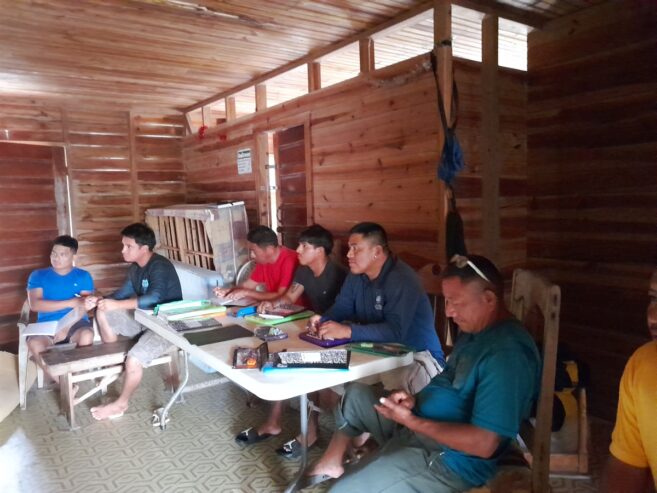
SEA believes the combination of enforcement, science, and community participation can lead to healthier reefs, reduced illegal fishing, and long-term benefits for local fishers through spillover effects. While SEA continues to face challenges related to short-term grant cycles, the organization plans to expand training opportunities, strengthen community watchdog structures, and deepen partnerships across the region.
“Marine conservation is not just for foreign visitors,” Muschamp said. “This is for us. And when we all share that value, then it shifts from being a responsibility to something that we truly appreciate.”
SEA’s model is increasingly being viewed as a strong example for marine conservation efforts across the Caribbean, combining modern technology with community engagement to protect Belize’s southern seas for future generations.
Share
Related Articles
Read more