
Belize is strengthening regulations on drone use through an operational directive from the Belize Department of Civil Aviation, which aims to standardize licensing requirements and enforce no-fly zones near airports, including those in San Pedro. At the same time, the San Pedro Town Council, along with other municipalities nationwide, recently received drones donated by the Protected Areas Conservation Trust to support climate monitoring and planning.
Under existing rules, drone operators must obtain permits through a formal application process that includes submitting identification documents and paying a BZ$30 fee. Current regulations prohibit drone operations within three miles of an airstrip without prior approval.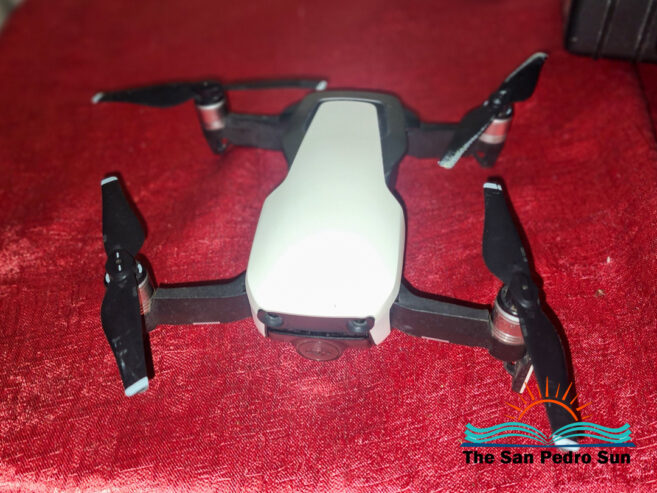
The Department of Civil Aviation has launched a public consultation on a proposed operational directive that would establish binding rules for all drone operators in Belize. The initiative aims to address safety risks in the country’s low-altitude airspace, where aircraft often fly as low as 500 feet, particularly along tourism routes. Director of Civil Aviation Nigel Carter said the goal is to replace what he described as a patchwork of approvals with standardized, enforceable regulations aligned with international aviation standards. The directive would apply to both recreational and commercial drone use, including activities in agriculture, real estate, construction, and surveying. Under the proposed framework, noncompliance would result in legal penalties.
Carter explained that the consultation process is intended to gather feedback directly from drone operators. “We are now receiving information or concerns from the drone operating public, which is the intent of the consultative process—for us to understand and hear people,” he said. “After that, we will review those concerns and meet with the drone operating public to explain where we stand on each of those issues.”
He emphasized that safety remains the primary concern. “The primary area of concern is aircraft safety. We have a very unique operating airspace,” Carter explained. “In many instances in Belize, airplanes are flying at about five hundred feet even while en route. We have to be very careful not to create a mix of manned and unmanned aircraft in the same vicinity, as that could reduce the level of safety.”
Carter added that protecting manned aviation is critical to the country’s tourism-based economy. “We have to be able to protect manned aviation. It is one of the pillars of our bread and butter—tourism. If we don’t protect it, it could be disastrous and have severe socioeconomic impacts on Belizean society,” he said.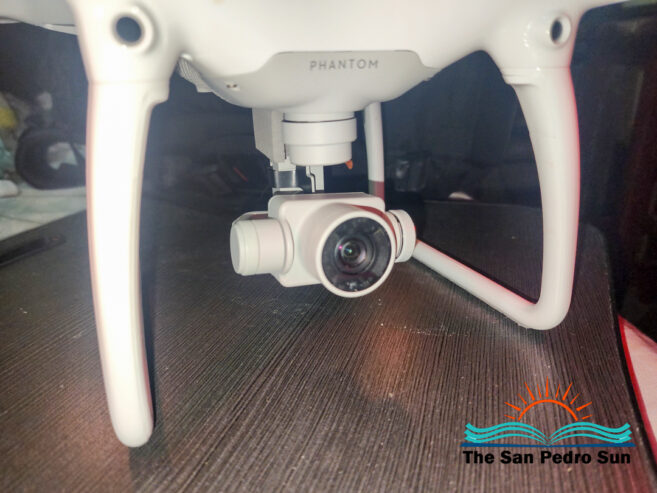
Previously, limited oversight led to growing debate as drone use expanded for construction monitoring, media production, and geographic information systems (GIS) mapping, sometimes conflicting with manned aviation operations. In San Pedro, real estate agents increasingly rely on aerial footage to market properties. One drone photographer noted that “the drones highlight scenic surroundings, architectural flow, and key selling points which make properties irresistible.” Real estate firms such as Orchids Belize Realty regularly showcase beachfront listings using drone footage.
San Pedro Town Council Operations Manager Alex Eck also highlighted the benefits of drones for municipal work. “Having drone footage during and after road work that is being done is a good thing—it shows a clear view of all the work that is and has been done,” Eck said.
The proposed regulations aim to improve safety while enabling responsible drone integration nationwide. In San Pedro, drones are also used to support enforcement against illegal fishing and to monitor sargassum accumulation, underscoring their growing role in public and environmental management.
Share
Read more