
 2026–2030.)
The Ministry of Rural Transformation, Community Development, Labour, and Local Government officially launched Belize’s National Rural Development Strategy (NRDS) 2026–2030 on January 21. The launch took place at the Caracol Hall of the Lord Ashcroft Education Centre in Belize City, with Minister Oscar Requena leading the unveiling in collaboration with the Belize Centre for Inclusive Excellence (CLIO). Prime Minister John Briceño was in attendance and delivered remarks in support of the initiative.
The Cabinet approved the NRDS on January 13, 2026, following its development with technical and financial support from the Central American Bank for Economic Integration (CABEI) and the development partner CLIO. The strategy aims to address long-standing challenges in rural Belize by prioritizing infrastructure upgrades, climate resilience, expanded social services, and economic diversification. The NRDS outlines 14 action areas and 32 initiatives and was shaped through consultations with government agencies, local authorities, civil society organisations, and rural stakeholders.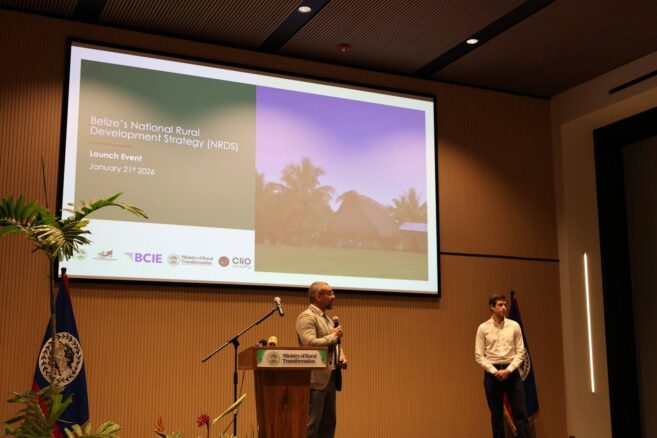
The development of the NRDS began in June 2025, when the ministry partnered with CABEI to design a comprehensive framework to target poverty reduction, address institutional gaps, improve access to services, mitigate environmental risks, and strengthen local economies. Officials acknowledged that, despite agriculture and tourism’s significant contribution to Belize’s gross domestic product, rural areas have historically faced persistent development challenges. The ministry has indicated plans for internal reorganisation and increased budget allocations to support effective implementation of the strategy.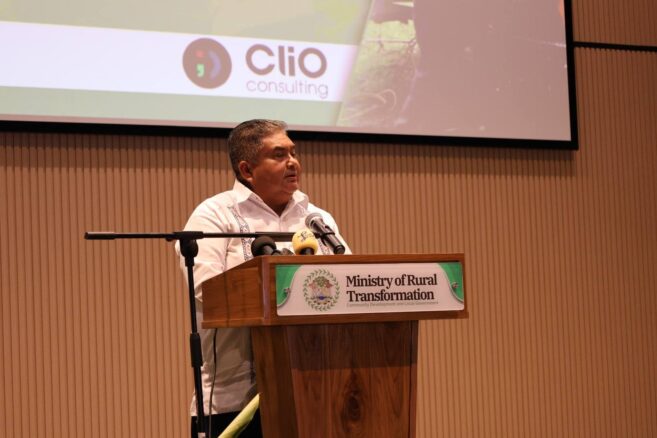
Minister Requena described the NRDS as “a critical roadmap for enhancing livelihoods, expanding economic opportunities, and addressing long-standing development challenges facing rural Belize.” Prime Minister Briceño echoed the importance of rural development, stating, “The wealth of this country is not in the urban areas; it is in the rural areas,” while highlighting agriculture and tourism as sectors deeply rooted in rural communities. CLIO Chief Executive Officer Valentino Shal added, “To find solutions, you have to first understand the problem.”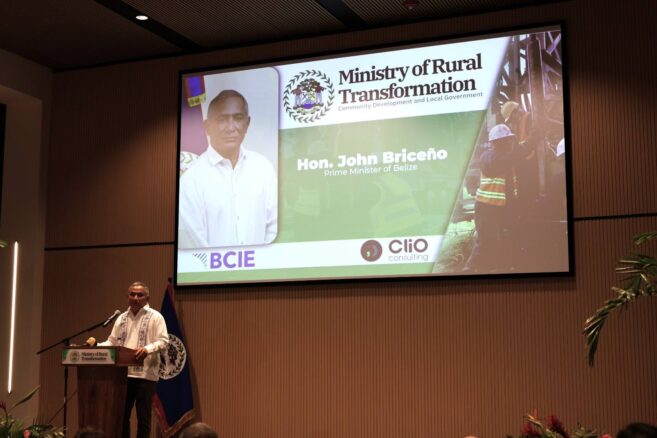
Officials say the NRDS is expected to support sustainable rural transformation through coordinated investments and partnerships extending through 2030. The strategy is anticipated to benefit communities nationwide, including those connected to San Pedro through tourism and agricultural supply chains, by promoting climate-resilient infrastructure, economic programmes, and expanded opportunities for rural youth. Implementation will involve ongoing collaboration with development partners, funding agencies, and monitoring mechanisms to track progress and outcomes.
Share
Related Articles
Read more