
The 2025 Atlantic hurricane season has officially ended, and once again, Belize has avoided any direct storm impacts. Although the basin experienced several powerful systems, including hurricanes that quickly intensified into major storms, none traveled toward Belize, protecting the country from significant weather effects.
This year’s hurricane season produced 13 named storms, of which five became hurricanes and four intensified into major hurricanes. While the total number of storms was near the lower end of pre-season forecasts, the systems that did form were notable for their strength. Favorable ocean temperatures and changing atmospheric patterns helped storms rapidly intensify, most notably Hurricane Melissa, which became the strongest storm of the season and caused devastating damage when it made landfall in Jamaica as a Category 5. Fortunately for Belize, Melissa’s track stayed well away from the region.
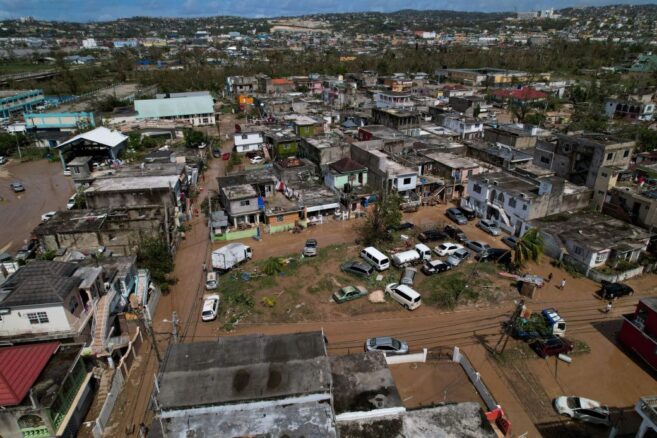
Earlier in the season, other storms like Tropical Storm Barry, which made landfall in Veracruz, and Tropical Storm Chantal, which came ashore in South Carolina, also stayed far from Belize. Throughout the season, prevailing wind patterns, a strong high-pressure system over the Gulf of Mexico, and intrusions of Saharan dry air helped steer systems away from the western Caribbean, lowering the chances of local impacts. These atmospheric factors were crucial in keeping Belize safe, even as the broader Atlantic experienced several long-lasting and intense storms.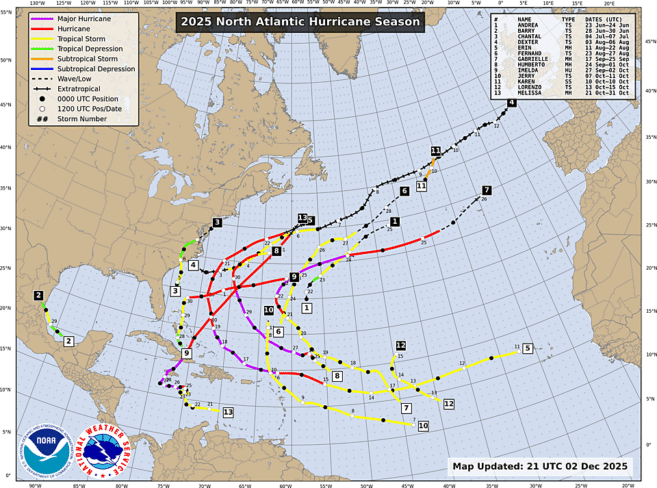
Belize’s fortunate outcome matches meteorological expectations that the season would be “normal to above normal.” Forecasters predicted 13 to 19 named storms, and the season ended at the lower end of that range. Although the total number of storms was moderate, the Accumulated Cyclone Energy (ACE), a measure of storm strength and duration, was much higher than a quiet season, reflecting the strength of several systems. These characteristics remind us that even an average number of storms can cause significant impacts elsewhere in the region.
Local meteorologists continue to emphasize the importance of preparedness, regardless of seasonal outcomes. Meteorologist Tariq Matthews pointed out that Belize’s good fortune this year should not be seen as a predictor of future trends. With warmer seas and changing climate patterns affecting storm behavior, upcoming seasons might produce faster-forming and more powerful storms that challenge traditional forecasting and response times. Matthews highlighted that early preparation, community awareness, and following national guidelines are crucial for protecting lives and property.
As the season ends, the outlook remains cautious but optimistic. Belize’s positive outcome highlights the need for continued vigilance and preparedness, especially as climate change is likely to cause more frequent and severe storms in the future.