

Inflation in Belize has continued to fluctuate over recent months, dipping to 0.4% nationally in November 2025 from 0.9% in October. Areas within the country’s productive zones, including San Pedro Town on Ambergris Caye, continue to record higher inflation levels, registering rates above 3% during the first eight months of 2025.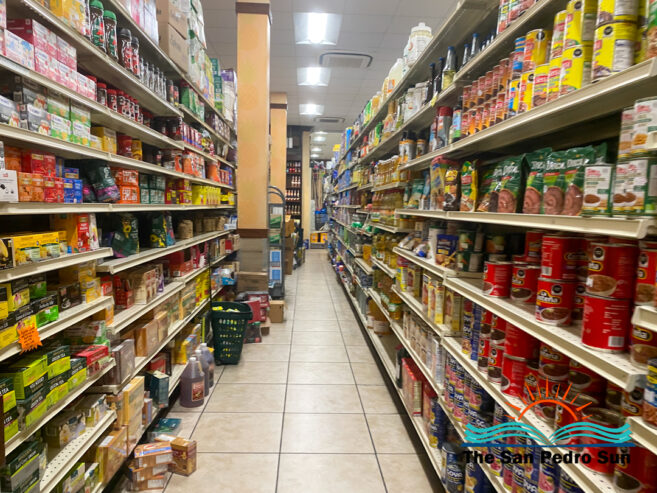
According to statistician Jaime Crespo of the Statistical Institute of Belize (SIB), the main contributors to rising prices were food and non-alcoholic beverages, home rental costs, Liquid Petroleum Gas (LPG), and personal care items. “This was mainly due to an increase in prices for cereal products, fruits, nuts, meats, vegetables, juices, purified water, and soft drinks,” Crespo explained. During that period, San Pedro recorded the highest year-to-date inflation rate at 3.2%, while Independence Village in the Stann Creek District registered the lowest at 1.1%.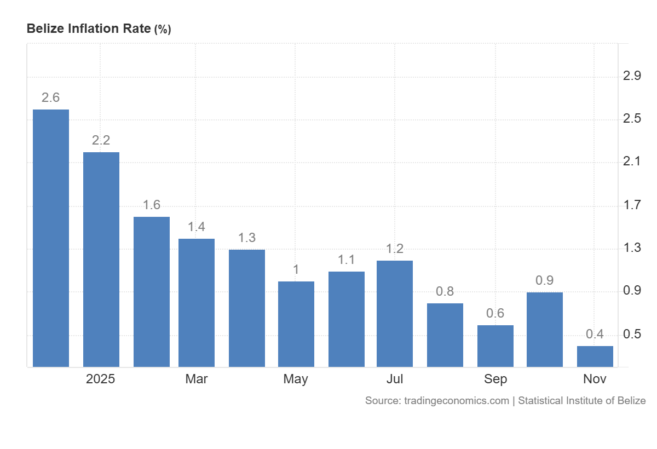
The SIB reported that the nationwide inflation rate for the first eight months of 2025 stood at 1.3%. This figure is calculated using the Consumer Price Index (CPI), which measures the average cost of a standard basket of goods and services purchased by households. In August 2025, the CPI stood at 120.7, representing a 0.8% increase compared to 119.7 in August 2024. The largest increases were recorded in food and non-alcoholic beverages, housing, utilities, and LPG.
For November 2025, Punta Gorda Town recorded the highest municipal inflation rate at 2.0% when compared to November 2024. Residents experienced above-average price increases across several categories, including food and non-alcoholic beverages, restaurant and café services, school uniforms, men’s footwear, domestic and household services, personal care products, cigarettes, and medical items. Orange Walk Town recorded the lowest inflation rate for the month at -0.3%.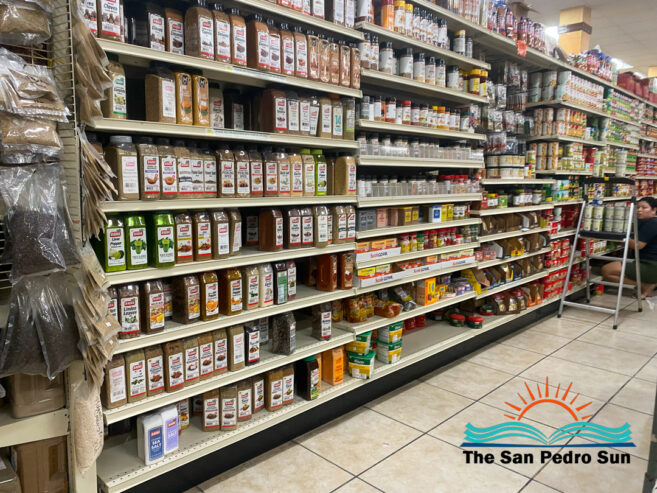
The year-to-date inflation rate for the first eleven months of 2025 stood at 1.1% when compared to the same period in 2024. While most major CPI categories recorded increases, the overall rise was largely driven by food and non-alcoholic beverages at 1.8%. Housing, water, electricity, gas, and other fuels increased by 2.2%, as did restaurant and accommodation services. Personal care, social protection, and miscellaneous goods and services rose by 2.6%.
The SIB attributed food-related increases to higher prices for bread and bakery products, meats, fresh fruits, purified water, soft drinks, and fruit and vegetable juices. Rising housing and utility costs were mainly linked to higher rental prices and LPG. Increases in restaurant and accommodation services reflected higher operating costs, while personal care inflation was driven by rising prices for hygiene and related products.
Share
Related Articles
Read more