
San Pedro Town experienced an unusually early influx of sargassum, which began washing ashore on public beaches on Monday, January 26, 2026. The San Pedro Town Council immediately mobilized its cleanup team to respond.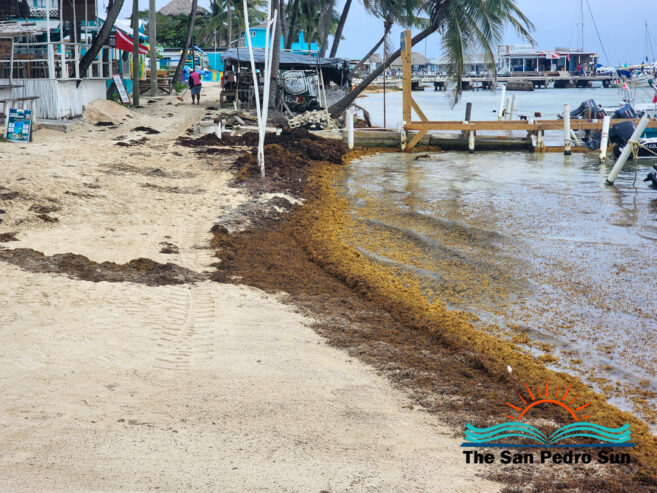
Led by Operations Manager Alex Ek, the team collected approximately 100 tons of sargassum from Monday through Wednesday. Cleanup averaged 30 to 35 tons per day and relied on manual labor supported by dump trucks, tractors with trailers, and bobcats.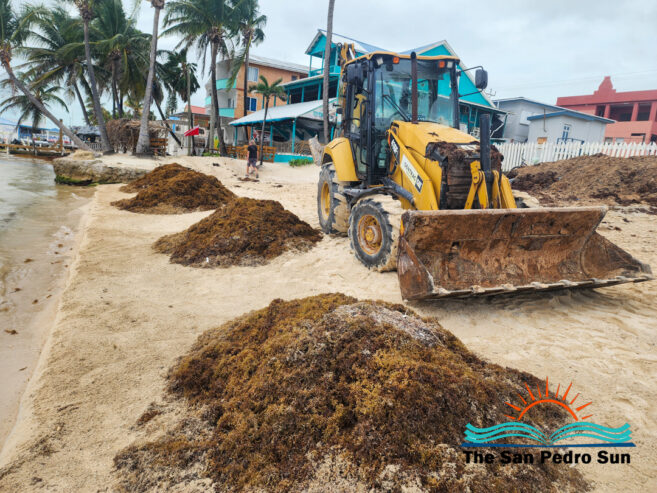
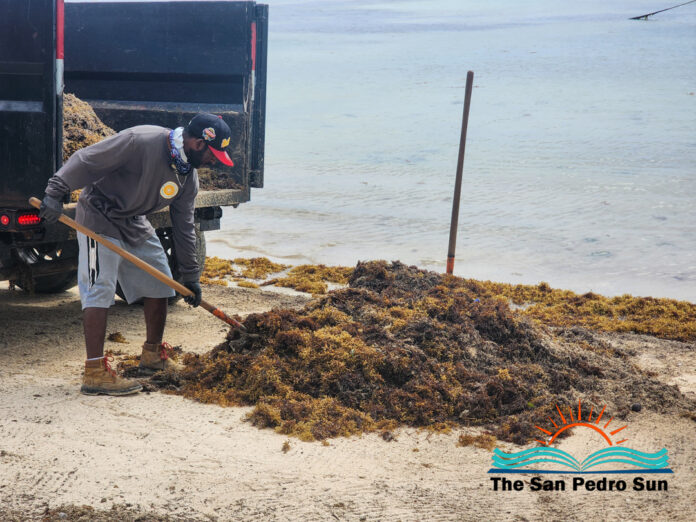
The early surge is attributed to seasonal ocean currents carrying sargassum mats from the central Atlantic, intensified by strong trade winds. Ek said cleanup crews work daily from 6AM to 3PM, with a one-hour lunch break. The seaweed is first raked manually, then loaded onto machinery for removal.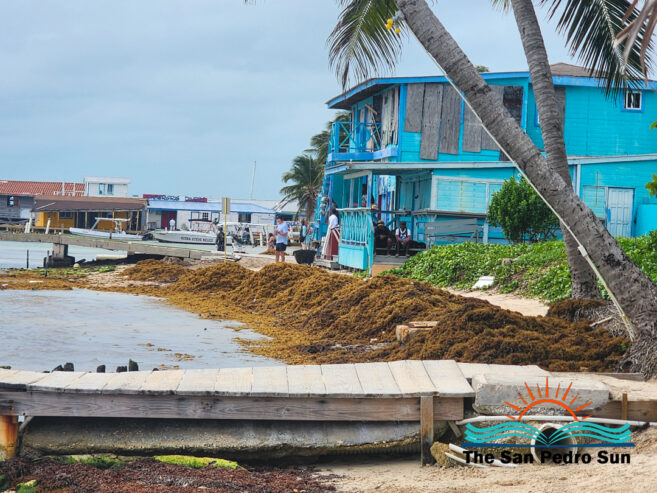
Historically, sargassum arrivals in Belize peak between April and July, driven by nutrient upwellings and shifting climate patterns. In 2025, the country recorded a peak of approximately 20,000 tons nationwide, straining cleanup resources. This year’s arrival, nearly two months earlier than usual, marks a notable deviation. Fresh sargassum on beaches has heightened the urgency of removal efforts to prevent foul odors and potential public health hazards.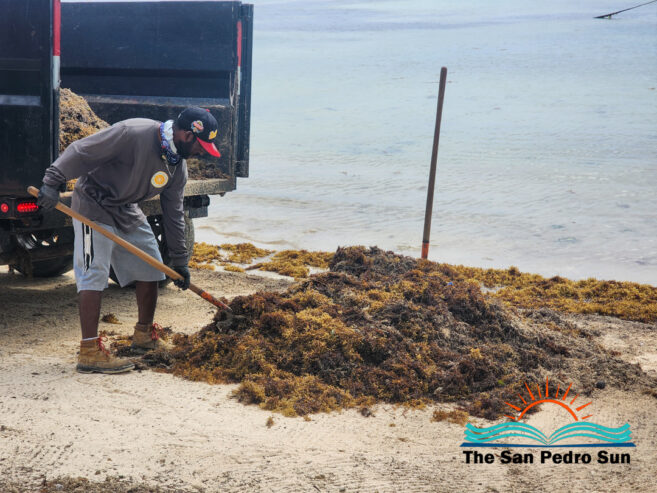
“We have our daily team that cleans sargassum,” Ek said. “We’re using dump trucks, a tractor with a trailer, and a backhoe to assist, but it’s manpower intensive. We remove it from the beach manually.”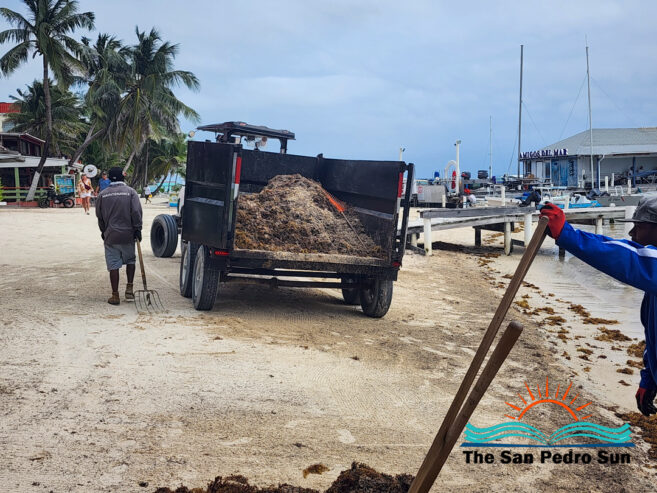
Ek explained that the collected sargassum is transported to a processing site along San Pedro Boulevard, where it is converted into sand and soil. “We’ve already made close to 100 trips to the site,” he said. He added that a new trailer is expected to arrive on the island soon, further supporting cleanup operations.
Ek anticipates a heavier influx in the coming months, with weekly volumes potentially reaching 200 to 500 tons during peak periods. This would require expanding the cleanup team and hiring part-time workers. Interested applicants are encouraged to contact Mr. Valentine at the Town Council or Alex Ek at 621-2022.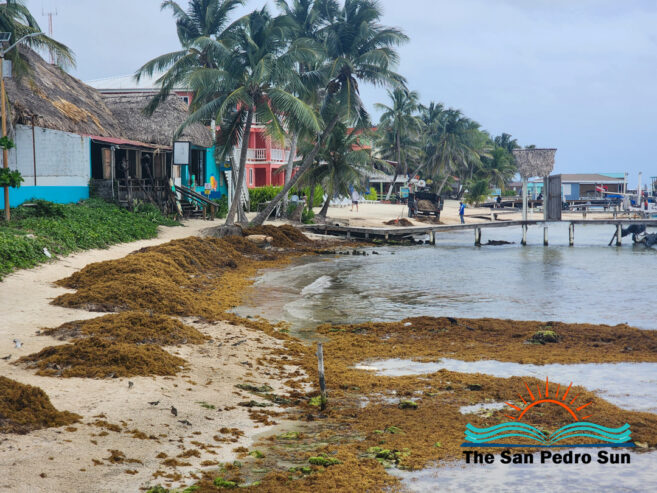
Challenges ahead include limited disposal capacity, potential impacts on tourism, and environmental stress on nearby reef systems. As the spring season approaches, calls are growing for continued monitoring and long-term mitigation strategies to manage sargassum more effectively.
Share
Read more