
Following a press conference on Tuesday, February 3rd, it was revealed that the families of American tourists Wafae El-Arar, Kaoutar Naqqad, and Imane Mallah have filed a federal lawsuit in a Massachusetts court in the United States. The three women tragically died while staying at Royal Kahal Beach Resort, located south of San Pedro Town on Ambergris Caye.
According to court filings, the women died of carbon monoxide poisoning in February 2025. The lawsuit seeks US$100 million in damages and names multiple defendants, including the resort’s owners and developers, contractors involved in construction and installation, and the online booking platform Expedia.
El-Arar, 26, Naqqad, 23, and Mallah, 24, were found deceased on February 22, 2025, in their room at the resort. Local authorities initially suspected a possible drug overdose after the women were found with froth around their mouths. Early testing ruled out carbon monoxide exposure.
However, subsequent toxicology testing in the United States determined that all three women had died from fatal carbon monoxide exposure. Postmortem examinations identified the cause of death as acute pulmonary edema, an excessive accumulation of fluid in the lungs consistent with carbon monoxide poisoning.
The lawsuit alleges that the suite lacked a functional carbon monoxide detection system and that the deaths resulted from negligent design, installation, supervision, and oversight of gas-powered equipment. The complaint further alleges that unqualified contractors were engaged to install hazardous systems.
Named defendants include the resort’s Canadian owners and developers, Belizean contractors who installed the gas system, the U.S.-based manufacturer of the water heater, and U.S.-based online travel platforms where the women booked their stay. According to the complaint, these entities marketed the resort to U.S. consumers, conducted substantial business in Massachusetts, and failed to warn guests of known safety risks.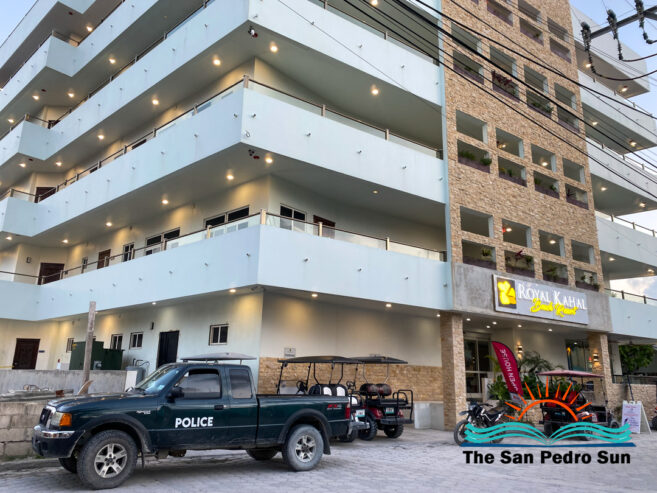
Attorney Tom Scolaro, representing the families, said the deaths were not an unavoidable accident. “It was the foreseeable result of decisions that put safety last and a bottom line first, and our legal system exists to hold those responsible to account,” he said. “This case will test whether companies that profit from American consumers can be held accountable when preventable tragedies occur, or whether they can avoid responsibility by hiding behind borders and technicalities.”
Scolaro added that defendants may attempt to move the case to Belize. “In Massachusetts, a jury can fully consider the value of a human life and impose punitive damages for reckless conduct,” he explained. “In Belize, wrongful death awards are decided by a judge and are largely limited to economic loss, which could be zero, and punitive damages are not available.”
In a joint statement, the families said they are seeking justice and accountability to prevent similar tragedies. “We are still trying to process the unimaginable,” the statement read. “Our daughters and sisters left for a vacation and never came home. The disbelief has not faded, and neither has the pain. This lawsuit is first and foremost about honoring the lives of our daughters and ensuring that this never happens to another family.”
The lawsuit seeks compensatory damages, damages for conscious pain and suffering, and punitive damages under Massachusetts law. It also challenges the plaintiffs’ description of complex corporate ownership and management structures designed to shield entities from liability.
As of publication, the management of Royal Kahal Beach Resort has not issued a public statement regarding the lawsuit.

Share
Read more