
For the fourth time, Belize observed Emancipation Day on August 1st, commemorating the abolition of slavery in the British Empire. While the nation continues to adjust to this relatively new public holiday, the main activities took place in Belize City, where official ceremonies were held at the Government House and featured speeches and cultural presentations. Slavery is considered one of the darkest chapters in Belizean history, dating back as early as 1724.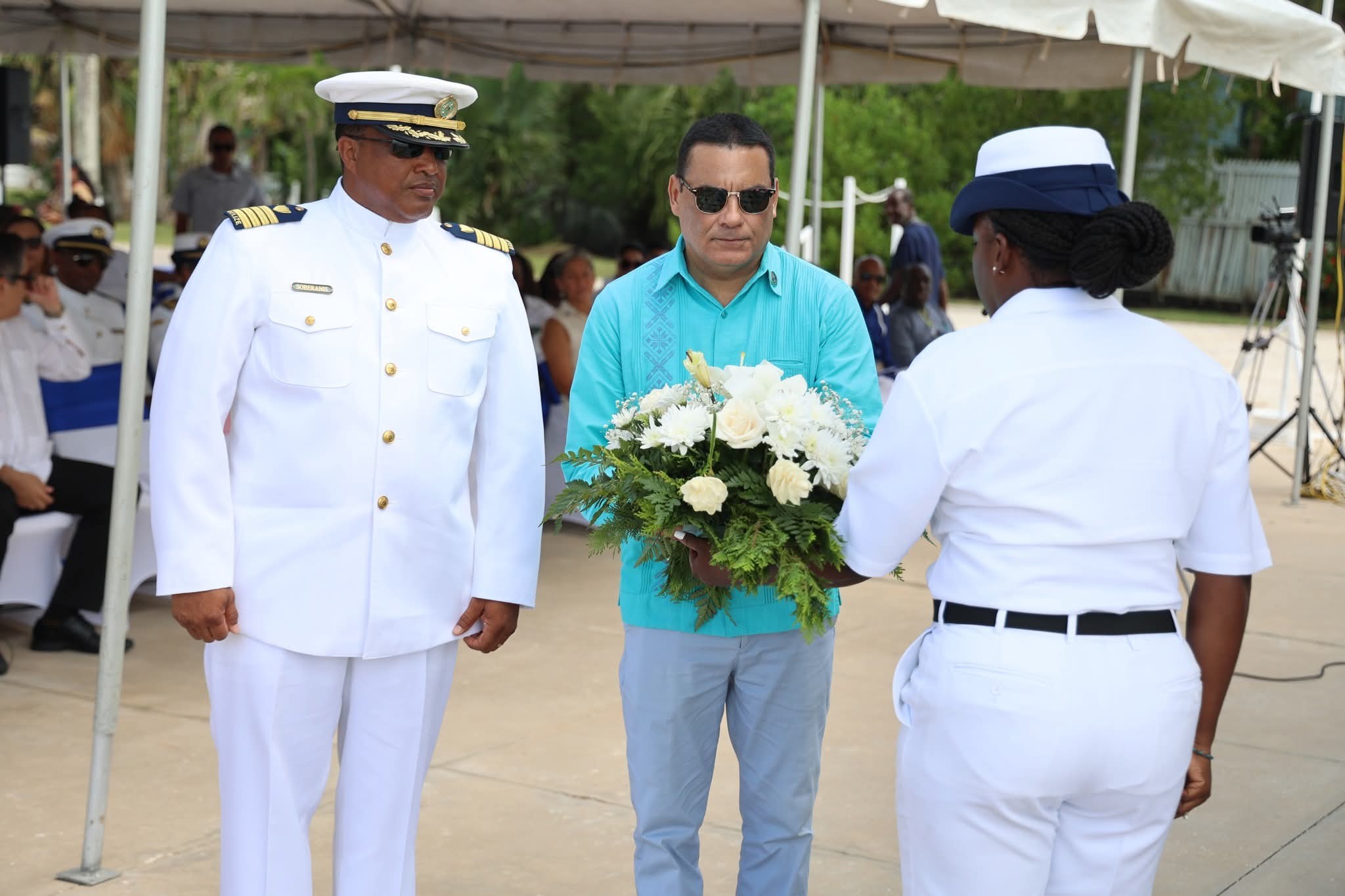
At the ceremonies, the Honourable Francis Fonseca, Minister of Culture, addressed attendees with powerful words, quoting the late U.S. President Abraham Lincoln: “If slavery is not wrong, nothing is wrong.” He continued, “Freedom from slavery was not a gift, but was achieved through the resistance, rebellion, and resilience of African slaves and their descendants.” Fonseca emphasized that Emancipation Day in Belize is about remembrance, education, and cultural pride, honoring a people who cast off physical and mental shackles in their fight for freedom.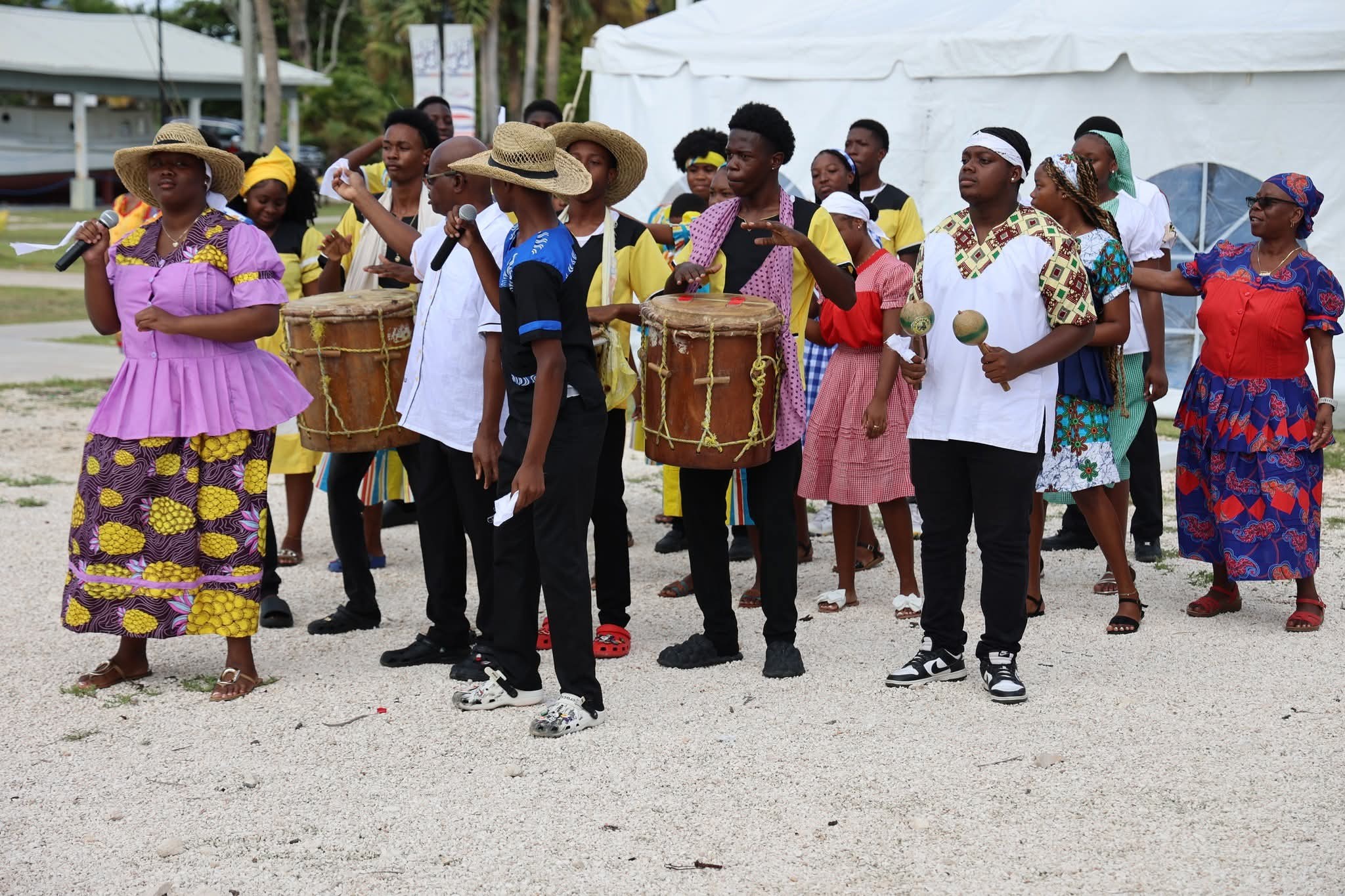
The program also underscored the importance of decolonizing Belizean society and the education system. “Our schools and communities must learn about African heritage,” Fonseca stated. He also highlighted the ongoing fight against modern forms of slavery, such as human trafficking and the exploitation of migrants seeking better opportunities. The event concluded with additional cultural presentations and a community breakfast.
During the ceremonies, a deeper historical perspective was shared, challenging the Eurocentric portrayal of Africa as the “Dark Continent” lacking civilization. Presenters emphasized that Africa is, in fact, the cradle of humanity, a land where early humans developed tools, domesticated animals, cultivated crops, and built complex societies and languages.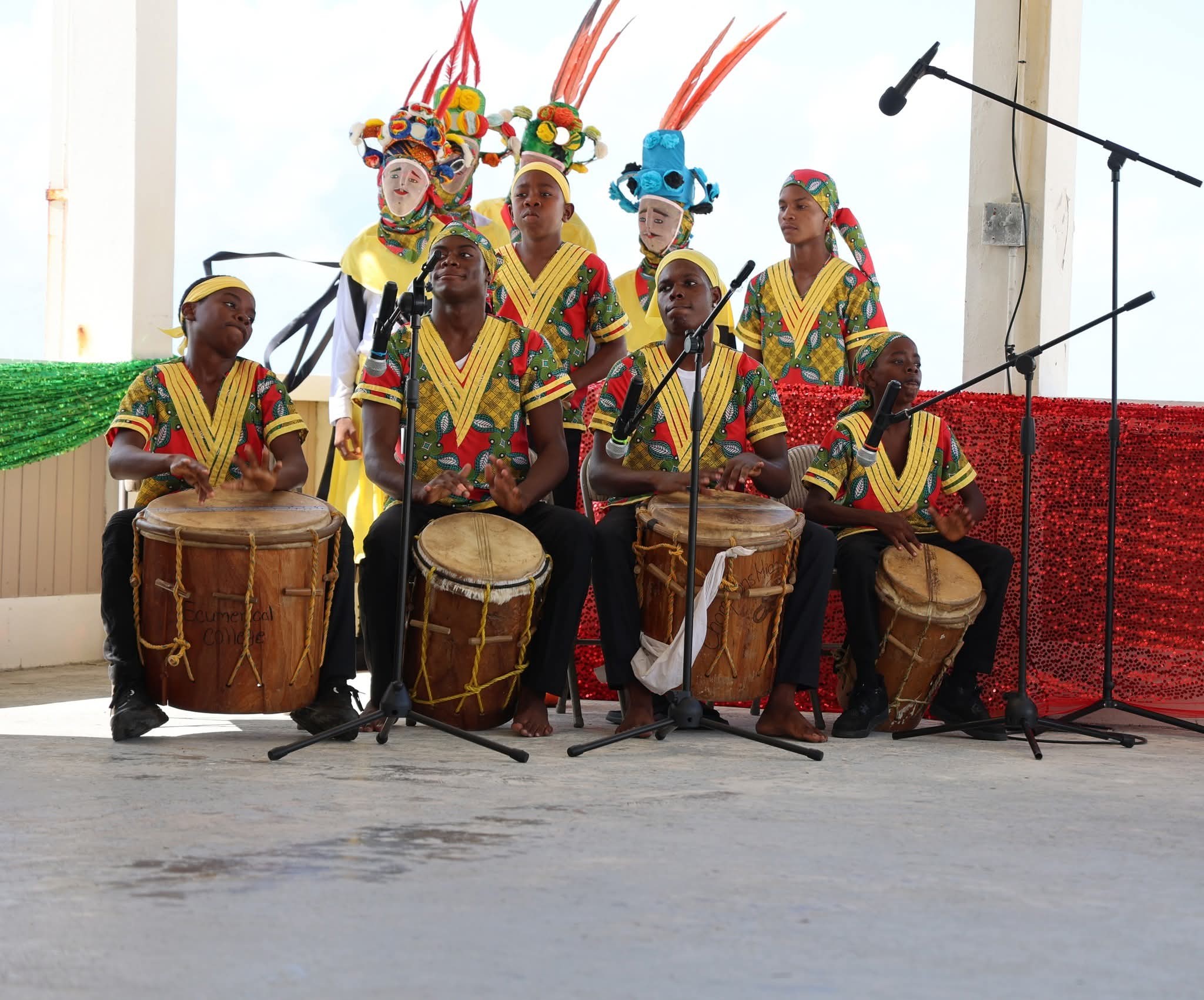
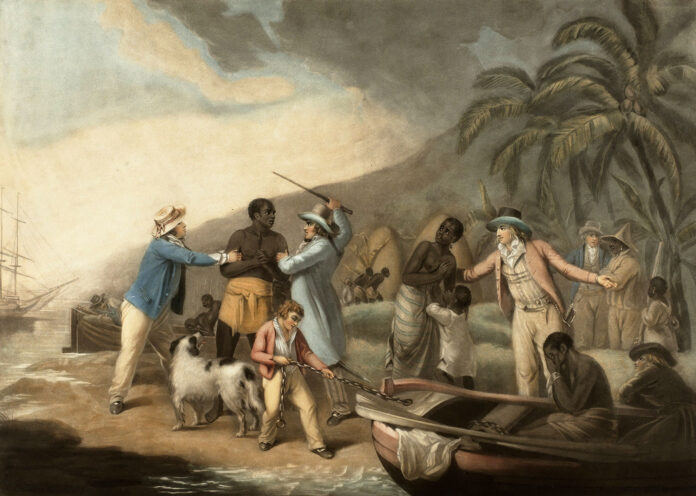
Development anthropologist Nigel Encalada provided a detailed account of slavery in Belize. He explained that slavery was first recorded in 1724 and legally abolished in 1833, with emancipation coming into effect on August 1, 1834. However, a planned transition period called the “apprenticeship system” was introduced, intended to prepare the enslaved for freedom by 1840. “The way it worked out was that the slave owners were trying to get as much as they could. They became worse in some instances… they clamped down tighter, they became more abusive,” Encalada said. As a result of resistance to emancipation, the British government ended the apprenticeship system early, fully emancipating enslaved people in 1838.
Encalada noted that in exchange for emancipation, enslavers were compensated by the British Crown for the loss of their “property,” which included men, women, and children, listed alongside livestock and tools. “In Belize, they were paid, I think, somewhere between 52 and 54 pounds per enslaved person who was freed,” he said.
Even after nearly two centuries, the legacy of slavery continues to influence Belizean society. “People are landed or not landed, meaning they own property or not, in the same way during slavery, where the population was uneducated,” Encalada explained. “Whether they have access to education or not, to health care or not, the way in which the populations are free to participate in political and democratic processes, or not, and the way in which families continue to exist or not. So, all of those things come out of slavery.”
Share
Read more