
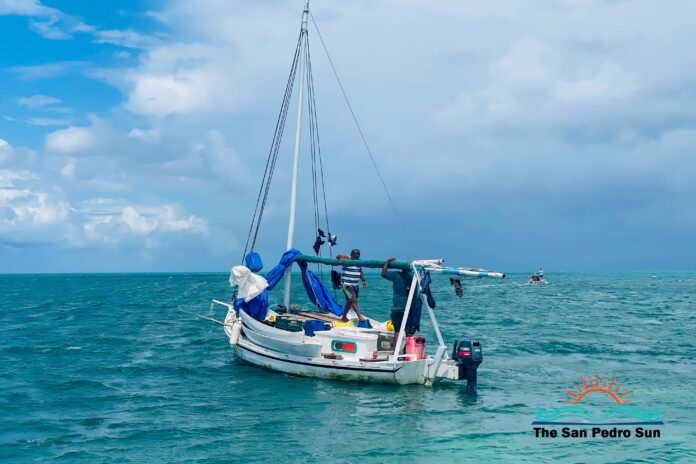
Belize has received a US$300,000 grant from the World Trade Organization (WTO) Fish Fund to support the Building Legal Understanding and Enforcement Capacity for Fisheries Subsidies Reform in Belize (BLUE-CAP) Project. The grant, announced on November 27, will help work led by the Directorate General for Foreign Trade, the Ministry of Blue Economy and Marine Conservation, the Fisheries Department, and the High Seas Fisheries Unit, in partnership with the Caribbean Regional Fisheries Mechanism (CRFM). Approved during the WTO Fish Fund steering committee meeting held on November 18–19, 2025, the project is part of a first-round disbursement of US$2.9 million awarded to 26 developing countries.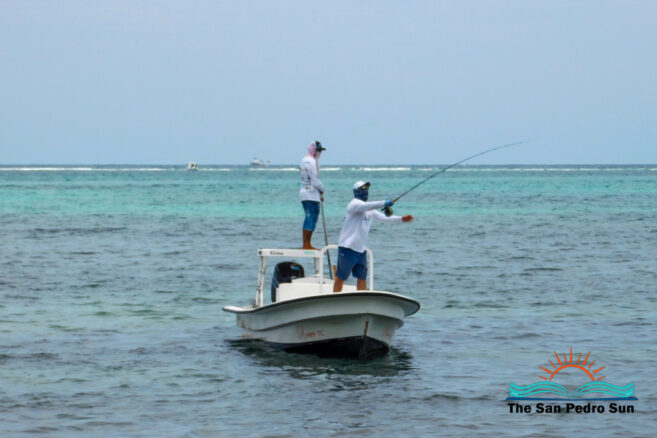
The BLUE-CAP project aims to strengthen Belize’s legal and institutional frameworks for managing fisheries subsidies, ensuring they support livelihoods without contributing to overfishing or harmful practices. Belize’s successful application resulted from close inter-agency collaboration and aligns with WTO rules designed to curb illegal, unreported, and unregulated fishing. Implementation will focus on building capacity for subsidy oversight and enforcement, complementing existing efforts such as the Inter-American Development Bank–supported expansion of artisanal fisheries.
Belize has made notable strides in developing its Blue Economy. Since launching the national Blue Economy Development Policy and Strategy in 2020, the government has banned several harmful subsidies and taken steps to address long-standing unsustainable fishing practices, including stone crab harvesting, which depleted stocks. Regional WTO negotiations and domestic reforms positioned Belize as the second country to establish a dedicated Ministry of Blue Economy focused on sustainable fisheries management.
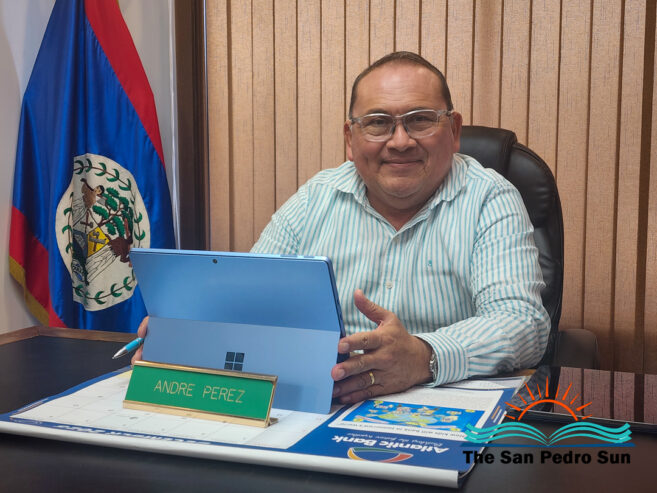
Area Representative and Minister of Blue Economy, Honourable Andre Perez, in a meeting on December 3rd, emphasized the significance of the grant. “This is one significant component of the reform. We will need to ensure we have oversight. We won’t just have someone come and offer us money without proper oversight. We will ensure evaluations are conducted to ensure any project under the reform meets the requirements. We have been working for the best interest of our people, not just San Pedro but all of Belize Rural South, including Caye Caulker,” he said. Perez also highlighted collaboration, noting, “This is a collaborative effort between the government and stakeholders.” On sustainability, he added, “Sustainable fishing is important… That is a big part of our Blue Economy.”
The BLUE-CAP project will strengthen governance and protect key marine resources, including spawning areas, while supporting the livelihoods of fisherfolk. Expected future impacts include revised legislation, enhanced monitoring technology, such as drones, and additional support from partners, such as the World Bank, for related Blue Economy initiatives. These efforts aim to bolster long-term environmental and economic resilience across Belize, including coastal communities such as San Pedro.

 Fish Fund to support the BLUE-CAP Project.)