
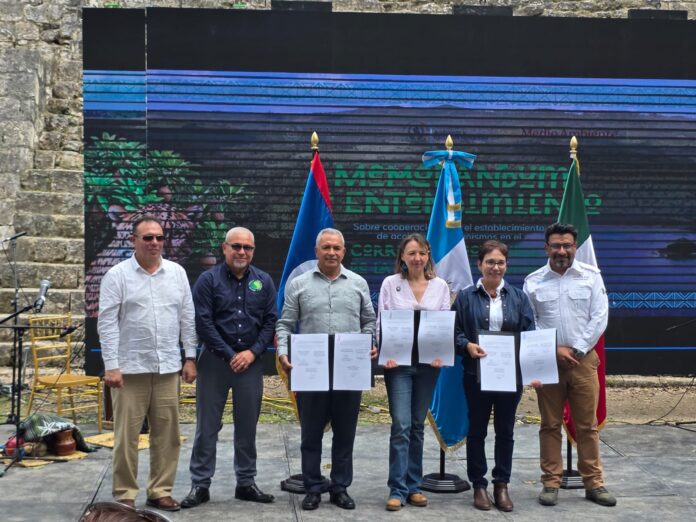
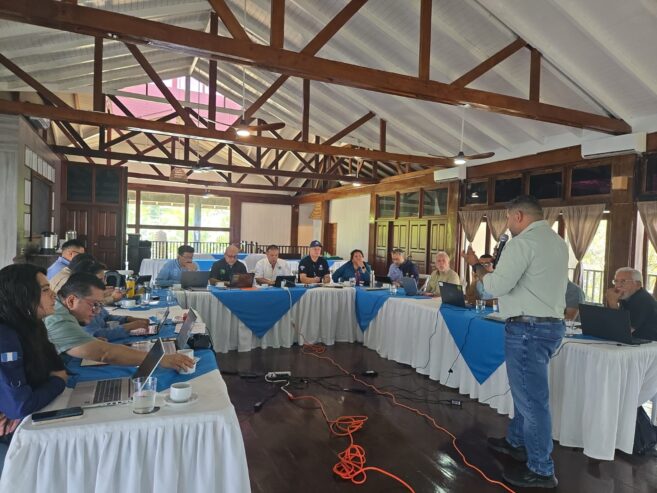
Belize, Guatemala, and Mexico have signed a trilateral Memorandum of Understanding (MoU) to strengthen cooperation in the conservation and sustainable management of the Greater Maya Forest, one of the largest and most significant tropical forest systems in the Americas. The agreement was signed on March 24, 2026, during a trinational workshop hosted by Belize from March 22nd to 28th in Placencia Village, Stann Creek District.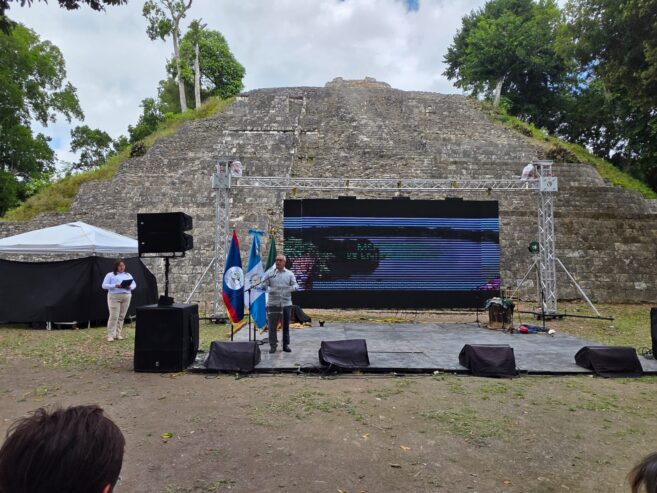
The workshop, organized by the Ministry of Sustainable Development, Climate Change, and Solid Waste Management under the Belize Forest Department, brought together representatives from the three countries, including Guatemala’s National Council of Protected Areas (CONAP) and Mexico’s National Commission of Natural Protected Areas (CONANP). The meeting forms part of ongoing efforts under the Greater Maya Forest Biocultural Corridor to strengthen regional cooperation in biodiversity conservation and sustainable development.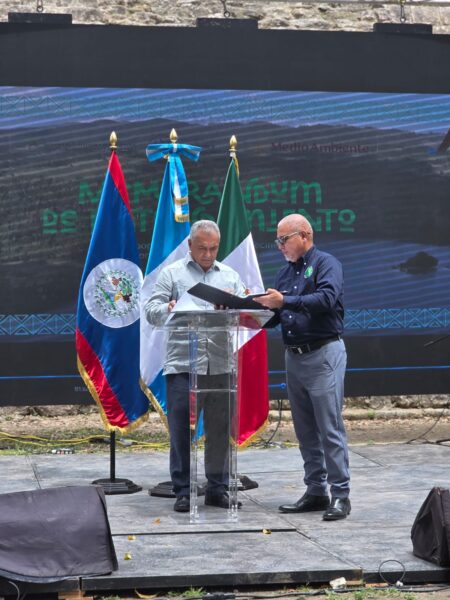
Building on the Calakmul Declaration signed on August 15, 2025, the MoU formalizes coordinated actions to protect biodiversity, maintain ecological connectivity, and address shared environmental threats. For Belize, the agreement represents a significant step toward safeguarding national natural assets, strengthening climate resilience, and reinforcing its role as a regional environmental leader.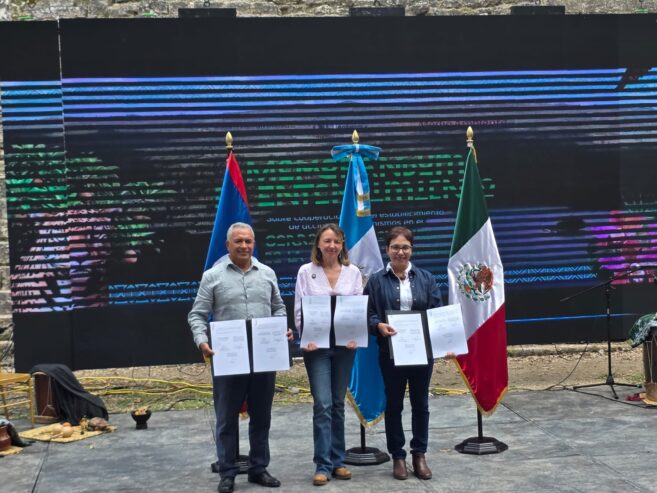
Priority actions under the MoU include enhancing the conservation and connectivity of protected areas, strengthening climate change mitigation and adaptation, and scaling up joint efforts to combat forest fires, illegal logging, wildlife trafficking, and environmental pollution. For the period 2026–2027, the countries will prioritize joint monitoring and enforcement, including coordinated protection of key species such as the jaguar and scarlet macaw, which are considered vital indicators of ecosystem health.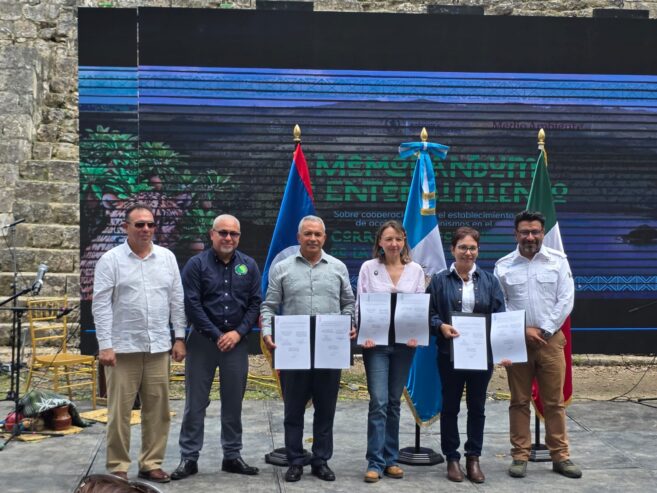
A primary goal of the agreement is to provide direct benefits to local and indigenous communities. The initiative encourages sustainable livelihoods through regenerative agriculture, community-based tourism, and renewable energy, making sure that conservation efforts lead to real social and economic opportunities for populations dependent on forests.
The five-year agreement, with an option to renew, demonstrates a shared commitment by the three countries to long-term environmental stewardship and collaborative management of the Greater Maya Forest Biocultural Corridor. The governments also urged local stakeholders, civil society, and international partners to support and participate in expanding conservation efforts throughout the region.
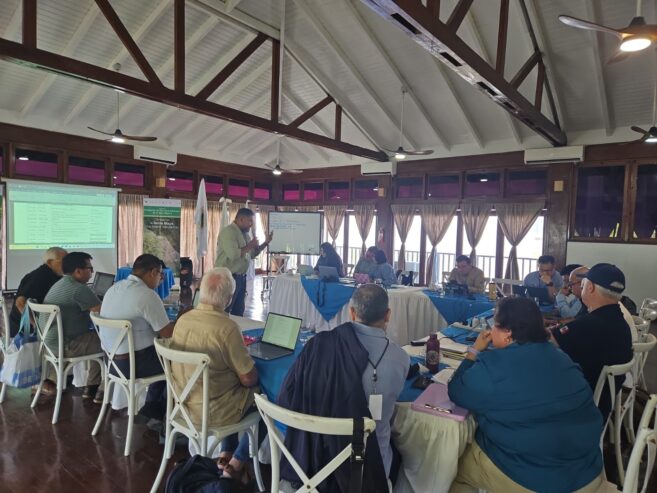
During the week-long workshop, participants are also working to develop a trinational governance structure, identify priority conservation areas, advance a regional action plan, and exchange best practices in protected area management. The agenda includes field visits to Belize’s Mountain Pine Ridge and Chiquibul Forest Reserves, providing delegates with firsthand insight into local conservation efforts.
The initiative underscores the importance of regional collaboration in protecting one of Mesoamerica’s most biodiverse and culturally significant landscapes.