
While Belize continues to maintain its malaria-free status granted by the World Health Organization (WHO), the Ministry of Health and Wellness (MOHW) confirmed two malaria cases in the Toledo District on February 17th. The infections are considered imported cases because they were acquired outside Belize.
The cases were detected in Crique Sarco Village, near the Guatemalan border. Health officials noted that the confirmation of the mosquito-borne disease underscores the risk of malaria being reintroduced into the country by travelers arriving from other countries. Countries in the region that have recently reported increases in malaria cases include Nicaragua and Honduras. Meanwhile, malaria cases in Guatemala are considered low-to-moderate risk, occurring primarily in rural, low-lying areas.
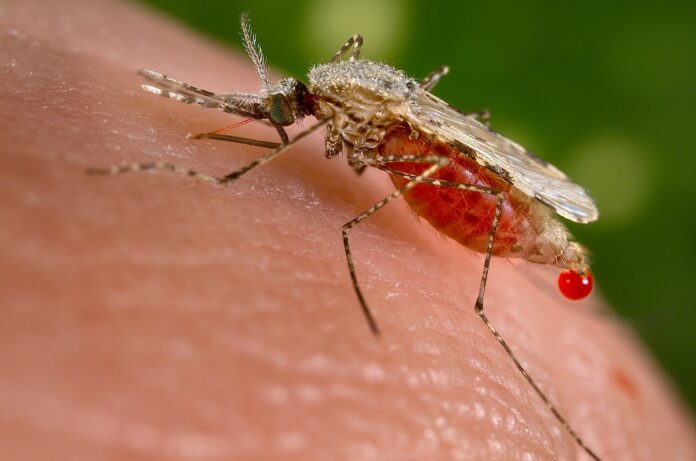
Malaria symptoms may include fever, chills, headache, body aches, sweating, fatigue, and nausea. Symptoms typically appear seven to 30 days after infection. In Belize, including urban areas such as San Pedro Town and Ambergris Caye, testing is available at both public and private health clinics. The MOHW advises anyone experiencing fever or flu-like symptoms during or after travel to seek immediate medical attention and inform healthcare providers of their recent travel history. Travelers to neighboring countries, particularly those visiting rural, forested, or border areas, are also encouraged to take preventive measures to avoid mosquito bites.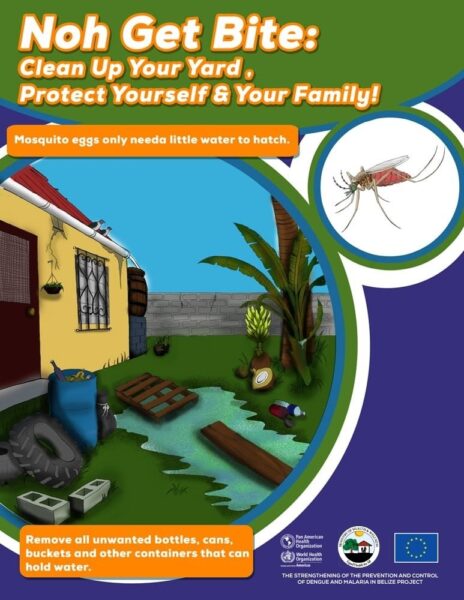
A health representative on Ambergris Caye encouraged residents to remain vigilant and consistently practice mosquito-bite prevention measures, emphasizing that community cooperation plays a critical role in protecting public health. The representative noted that simple actions such as eliminating standing water around homes and businesses, using insect repellent, wearing long-sleeved clothing during peak mosquito activity, and ensuring windows and doors are properly screened can significantly reduce mosquito breeding and exposure. They also urged residents to support any surveillance or fogging efforts carried out by health authorities, and to seek medical attention promptly if experiencing flu-like symptoms, particularly after travelling. The representative stressed that continued awareness and preventative action are essential to preserving Belize’s malaria-free status, which was officially granted by the World Health Organization in 2023.
The MOHW also issued advisories regarding other mosquito-borne diseases circulating in the region, including Chikungunya, which has been reported in parts of South America and Cuba. The ministry noted that Belize maintains laboratory capacity to test for Chikungunya and Zika. According to the MOHW, local transmission of Chikungunya has not been detected in Belize since 2016, while the last reported Zika virus transmission occurred in 2017.
Share
Read more

 confirmed two malaria cases in the Toledo District on February 17th.)