


Belize’s long-standing medical agreement with Cuba is at a crucial crossroads, as the future of the Cuban Medical Brigade in the country remains uncertain amid ongoing high-level talks involving the United States and Havana. On March 18th, Prime Minister Honorable John Briceño confirmed that “delicate negotiations” are in progress, while Leader of the Opposition Honorable Tracy Taegar Panton is urging the nation to remain steadfast in supporting its partnership with Cuba. She warned that succumbing to external pressure could weaken Belize’s healthcare system and its sovereignty.
Relations between Cuba and the United States remain strained, with renewed pressure in recent years over Cuba’s overseas medical missions. U.S. officials have stepped up scrutiny of these programs, raising concerns about working conditions and hinting at possible visa restrictions or diplomatic consequences for countries that continue to participate. As a result, several Caribbean nations are reevaluating or adjusting their agreements with Cuban medical teams. Meanwhile, Cuba is facing one of its worst economic crises in decades, characterized by fuel shortages, power outages, inflation, and a rise in migration. These changing dynamics have placed countries like Belize in a complicated position, as they balance the vital support from Cuban healthcare professionals against the potential impacts of U.S. policies and regional diplomacy.
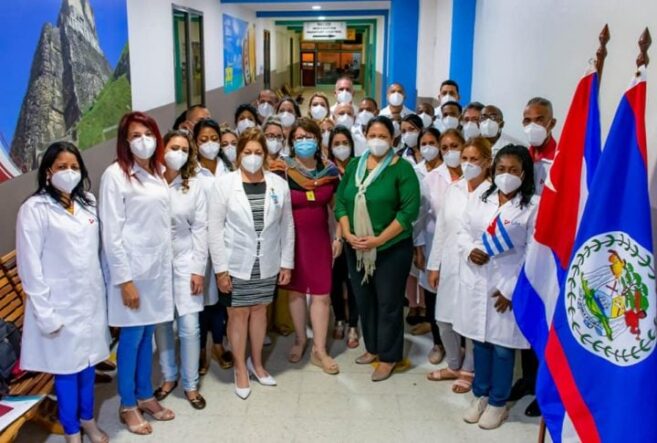
Cuban doctors are currently working in clinics and hospitals throughout Belize, including San Pedro, where they assist healthcare services in a community with limited local medical staff. The situation has worsened as several Caribbean nations have started reducing or changing their agreements with Cuban medical brigades due to increasing pressure from the United States. Meanwhile, Cuba continues to face ongoing economic and humanitarian issues.
In Belize, the Cuban Medical Brigade currently includes more than 100 professionals, including specialists, who help address critical gaps in the healthcare system, especially in rural and underserved areas. The current discussions are seen as “delicate” because Belize is weighing the immediate benefits of keeping Cuban medical personnel against the potential effects of U.S. visa policies and diplomatic relations.
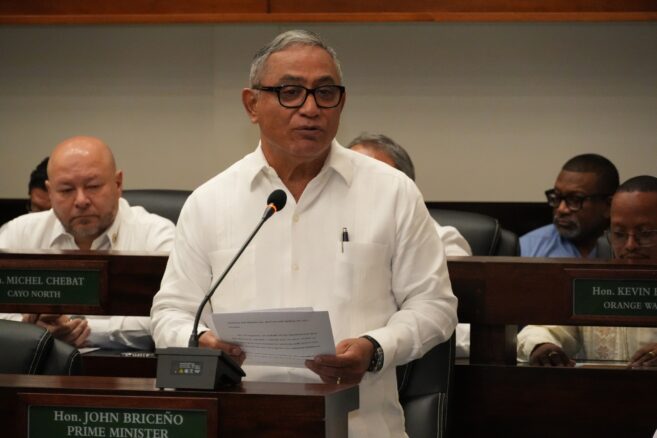
Belize’s collaboration with Cuba in healthcare has lasted over two decades, with repeated agreements renewing the brigade’s presence and increasing scholarship opportunities for Belizean medical students to study in Cuba. The partnership has been crucial in staffing district hospitals, polyclinics, and clinics in remote areas, including coastal and island communities like San Pedro. Cuban medical professionals often rotate through these locations to ensure continuous care.
Prime Minister Briceño acknowledged that Belize feels “very strongly” about the Cuban Brigade and expressed gratitude for their contributions, especially in specialized fields and areas where local staffing remains a challenge. He also mentioned the risk of U.S. visa repercussions, questioning whether Belize could afford them if it fully aligned with Cuba. He indicated that officials are exploring a possible “hybrid” model to retain as many Cuban doctors as possible.
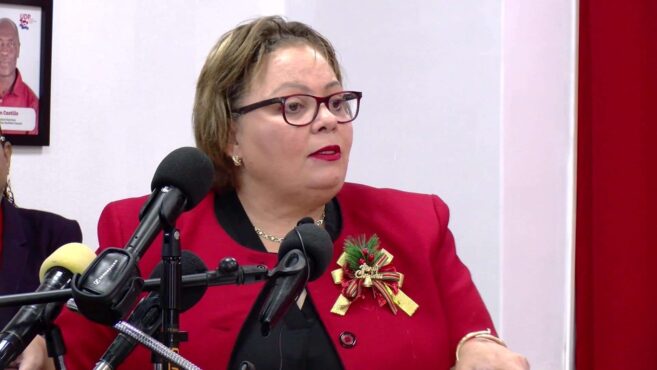
Opposition Leader Panton described the negotiations under U.S. pressure as “deeply disturbing,” calling for a principled stance in defense of Belize’s sovereignty and long-standing relationship with Cuba. she noted that many healthcare facilities, including those serving San Pedro and other coastal communities, rely heavily on Cuban medical staff. Panton stressed that if the brigade’s presence is reduced, the government must clearly outline how it intends to maintain quality healthcare services for Belizeans.
The outcome of these discussions could greatly affect Belize’s healthcare future. Any reduction or restructuring of the Cuban Medical Brigade might prompt faster efforts to recruit and train local healthcare workers and require more investment in the sector. The issue also has broader political consequences, as stakeholders continue to debate the balance between international relations and national priorities.