
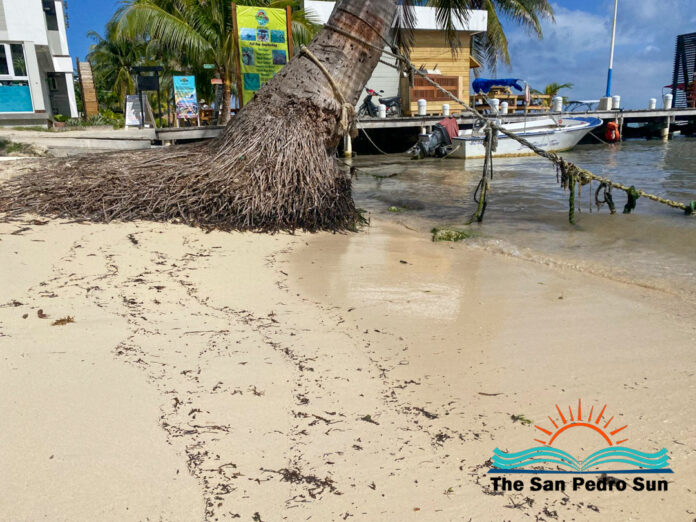

The Government of Belize has launched a series of National Consultations to strengthen the country’s response to climate change, with a particular focus on vulnerable coastal communities and key economic sectors, such as tourism. The consultations, taking place from January 19 to January 30, 2026, are being led by the Ministry of Sustainable Development, Climate Change, and Solid Waste Management, through the National Climate Change Office (NCCO). The process forms part of Belize’s National Adaptation Planning efforts, which aim to reduce climate risks and improve long-term resilience nationwide.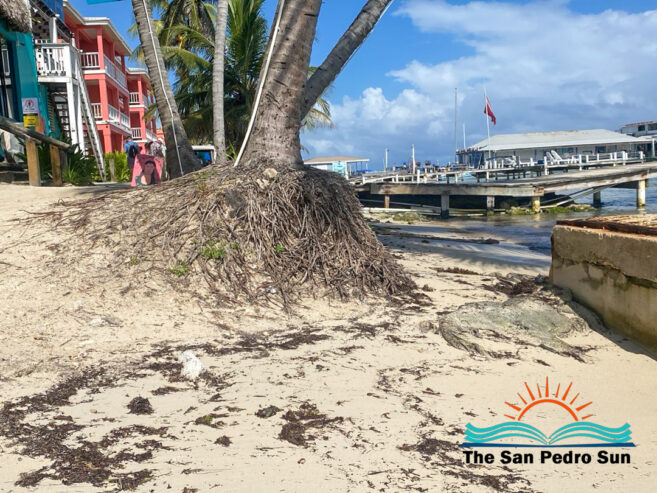
Belize is considered one of the most climate-vulnerable countries in the region, facing heightened threats from rising sea levels, stronger storms, coastal erosion, flooding, droughts, and shifting rainfall patterns. For island communities like Ambergris Caye, the consultations come at a critical time. Climate change continues to pose growing threats to tourism-dependent areas through rising sea levels, coastal erosion, coral reef degradation, flooding, and increasingly unpredictable weather patterns. These impacts not only affect infrastructure and livelihoods but also the natural attractions that draw visitors to Belize.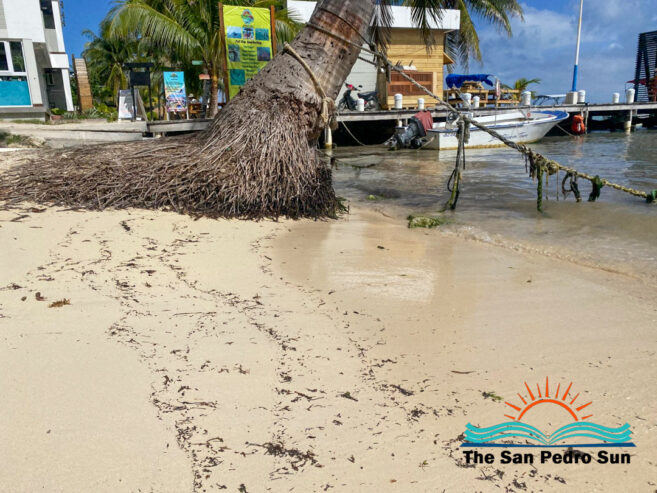
Tourism remains one of Belize’s most important economic pillars, especially in coastal destinations like San Pedro Town. Changes in sea conditions, beach erosion, and damage to marine ecosystems directly affect hotels, tour operators, fisheries, and small businesses that depend on healthy reefs and stable coastlines. Government officials say the National Adaptation Plan will help ensure sustainable tourism development while protecting the country’s natural assets.
The consultations are supported through collaboration with the Protected Areas Conservation Trust and the Ministry of Economic Transformation. They are funded by the Green Climate Fund Readiness Project titled “Enabling Activities for the Formulation and Implementation of a Multisectoral National Adaptation Plan (MNAP) for Belize.” The MNAP will serve as a long-term roadmap for adaptation efforts across sectors, including tourism, agriculture, health, fisheries, forest and land use, and infrastructure.
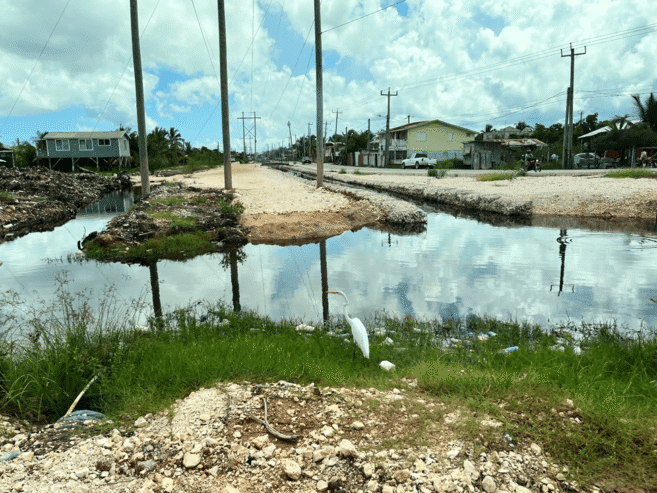
As part of the consultancy “Identification of Adaptation Priorities and Development of Belize’s MNAP,” the NCCO, along with consulting firm Metroeconomica, will engage stakeholders through national and district-level consultations. These discussions aim to gather local knowledge, identify priority climate risks, and develop practical adaptation solutions that reflect on-the-ground realities in both urban and rural communities.
The Ministry has emphasized that stakeholder participation is essential, particularly from tourism operators, community leaders, and coastal residents who are already experiencing the effects of climate change. Bilateral meetings with key sectors will be held during the initial phase of the consultations, with district consultation schedules to be shared via official NCCO and Ministry communication channels.
The Government of Belize says it remains committed to inclusive, evidence-based planning to strengthen climate resilience, protect livelihoods, and safeguard the country’s tourism future for generations to come.