
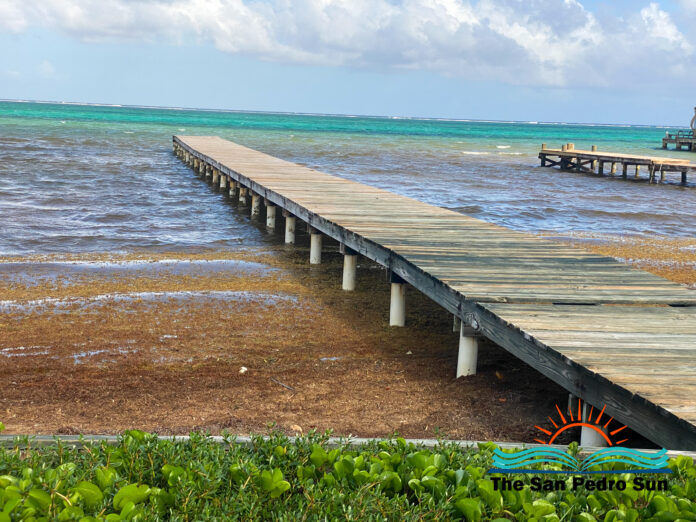
The Government of Belize has declared a one-year pause on issuing new permits for building docks, piers, and overwater structures in coastal and marine areas nationwide. The decision, confirmed during the Cabinet meeting on March 31st, aims to give authorities time to review and enhance regulations related to coastal development.
According to the official statement, no permits will be issued for the use of the designated 66-foot reserve and seabed for these structures over the next 12 months. The moratorium covers coastal reserves in both urban and peri-urban areas and will be accompanied by a detailed national inventory of existing docks and piers. Authorities also plan to enhance monitoring and enforcement efforts to better manage coastal zones and seabed usage.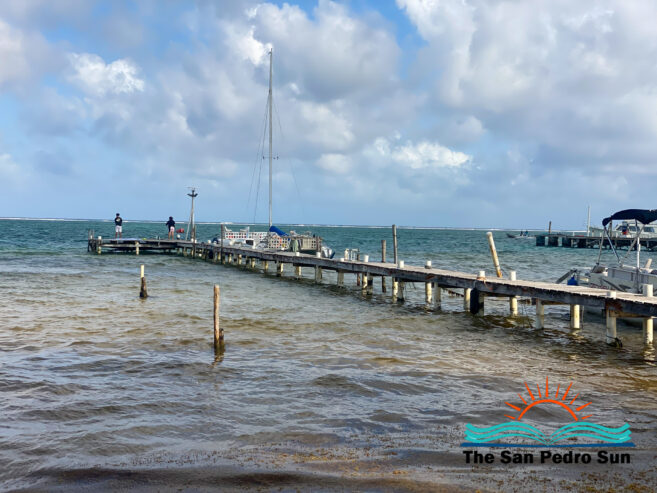
In San Pedro Town, Ambergris Caye, concerns about the growing number of docks, especially along the eastern shoreline, have been increasing. Area Representative Honorable Andre Perez mentioned in February that a moratorium was being considered due to the rapid growth of overwater structures.

Speaking on April 1st, Perez reiterated the need for the pause, noting that the island’s coastline has become saturated with piers, some of which are now derelict or deteriorating into the sea. He emphasized that the increasing number of abandoned and poorly maintained structures creates environmental and aesthetic concerns. Perez also stated that no new docks will be allowed, including in the Secret Beach area, and stressed that some existing derelict structures should be removed.
Authorities believe that while docks can support tourism-related operations, including tour providers and beachfront businesses, their overdevelopment may negatively impact the island’s appeal. Open beachfront areas, such as Secret Beach, continue to attract visitors due to unobstructed access to the water.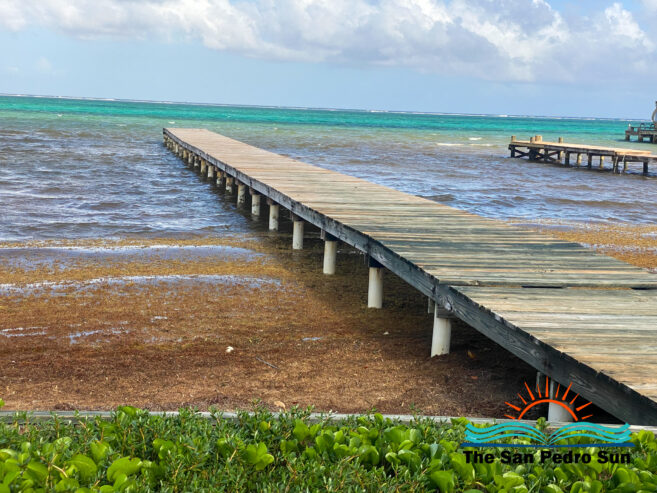
The moratorium will be reviewed after one year, with further discussions expected to determine the future of dock development regulations. Ambergris Caye and Caye Caulker remain the municipalities with the highest concentration of docks in the country.